
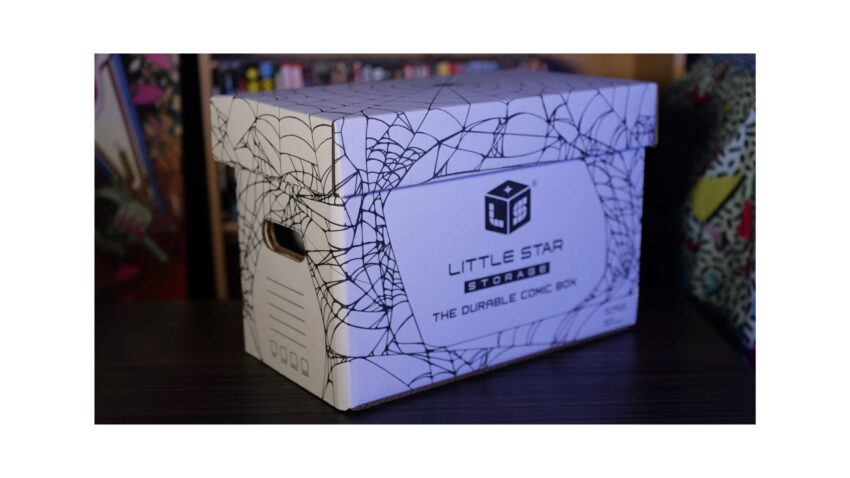
Buying a comic longbox requires care to skip the mistakes that damage books and waste money. Common errors include packing the box too full, choosing thin cardboard that buckles, skipping lids that block dust and damp air, stacking units too high, and placing them in hot or wet spots. People who buy comic long boxes and follow simple checks keep pages flat, covers clean, and the whole collection ready to grow without early wear and tear.
What Goes Wrong When Boxes Are Overfilled?
Long boxes hold about 300 modern comics when books lie flat with a little space left at the front. Filling every inch forces covers to press against each other. Spines bend, corners crease, and pages stick when humidity rises. Sliding a single issue out becomes hard and risks tears. Leave a small gap so fingers can grip the bagged edge without force. Boards inside each comic add thickness, so count that extra bulk before loading.
An overfilled comic storage bin also grows heavy and awkward to lift, raising the chance of drops that crease whole stacks. Measure your current issues, add room for the next few months of purchases, and stop short of the rim. That single habit prevents the most frequent form of pressure damage.
Why Do Cheap Materials Lead to Collapse?
Thin single-wall cardboard softens under the weight of a full load. The sides bow outward, the bottom sags, and the box loses its square shape. Once the form fails, books inside shift and rub, wearing ink off covers. Double-wall or reinforced comic book cardboard resists that flex even when three or four units sit on top of one another. Press the corners of a sample box before purchase; they should feel firm and spring back.
Flimsy plastic alternatives may look tough yet flex enough to let comics slide during moves. Strong walls also survive the bumps that happen when boxes change shelves or travel between rooms. Spending a bit more on rigid construction means the same units last for years instead of needing replacement after one season of heavy use.
How Does Moisture and Dust Enter Unprotected Boxes?
Open tops or loose lids let damp air and fine particles settle on every surface. Humidity above fifty percent swells paper fibers, starts foxing spots, and softens glue. Dust mixes with skin oils from handling and creates a grimy layer that attracts insects. A snug lid or a secondary outer cover keeps both threats outside. White archival cardboard further limits acid transfer that yellows pages.
Keep filled boxes off concrete floors and away from exterior walls where temperature swings create condensation. A simple acid-free liner at the base adds another barrier. Regular visual checks for soft spots or musty smells catch early problems before mold spreads through an entire comic storage bin. Dry, sealed conditions preserve color brightness and page flexibility far longer than open or poorly fitted containers.
Stacking Errors That Crush the Bottom Layer
Tall towers of long boxes put extreme weight on the lowest unit. Even strong cardboard can crease if the stack leans or if heavier boxes sit higher up. Place the fullest, heaviest boxes at floor level and lighter ones above. Flat lids that lock into the base of the box above create a stable column. Avoid rounded edges that allow lean. Label the short end of each box so titles stay readable without pulling the stack apart.
Leave clear paths around the units so you never have to drag a heavy box sideways. Stable, moderate-height stacks protect the bottom layer and make it safer to reach older issues later. Poor stacking turns a solid purchase into a crushed mess within months.
Should You Buy the Same Box for Every Comic?
Not every comic collection contains the same formats or sizes. Modern issues, older comics, special editions, and thicker books can need different storage space. A box that fits standard issues may feel too tight around oversized books. Forcing different formats into one container can bend covers or create empty spaces.
Check the dimensions of your collection before ordering several boxes. Think about current needs and the types of comics you expect to add later. This approach prevents buying boxes that become unsuitable after a few new purchases.
Location Mistakes That Speed Up Damage
Attics bake in summer heat and freeze in winter, speeding acid breakdown inside paper. Basements and garages hold moisture that seeps through cardboard. Direct sunlight fades cover colors even through a closed lid. Choose interior rooms with steady temperatures between sixty and seventy degrees and humidity near forty-five percent.
Shelves or pallets raise boxes off the floor and improve air flow. Keep units away from windows, radiators, and exterior doors. Consistent mild conditions stop the rapid aging that turns fresh comics brown and brittle. A good location multiplies the value of every careful packing choice made earlier.
Avoid Tossing Loose Comics Into a Long Box
Loose comics can slide against each other whenever a box moves. Their covers may rub together and develop scratches, bends, or worn edges. Bags and backing boards create a protective layer around individual issues. They also help comics stay upright and easier to handle.
Avoid forcing bagged comics into spaces that are already too tight. Pulling one issue from a packed row can damage neighboring covers. Keep each comic positioned neatly so you can remove it without disturbing the surrounding issues.
Bottom Line
The right storage box also makes regular collection management easier. A properly sized box leaves enough room for safe handling without allowing comics to shift around. Strong cardboard helps the container maintain its shape under normal storage conditions. A fitted lid adds another layer against dust and unwanted exposure.
Little Star Storage stocks comics storage boxes built to support these practical storage needs. Rigid long-box designs give collectors a reliable comic storage bin for organizing growing collections. They provide room for additional issues while helping protect comics from pressure and everyday storage problems.
Collectors who buy a comic long box should consider their current collection and future additions. Choosing suitable storage early can prevent many avoidable problems later. With the right box, careful packing, and sensible placement, your collection can remain organized, protected, and ready for years of reading or future sales.