
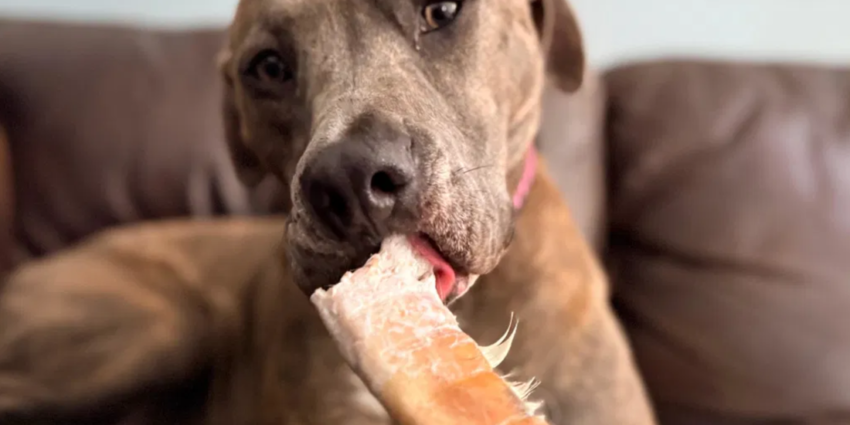
For many years, rawhide has been a popular choice for dog owners looking for a long-lasting chew. However, many pet parents now ask, is rawhide safe for dogs, especially when concerns about choking, digestion, ingredients, and processing arise? The answer depends on the individual dog, the type of chew, and how the product is made and used. Understanding the potential benefits and risks can help you make a more informed decision.
What Is Rawhide Made From?
Rawhide is traditionally made from the inner layer of animal hides, commonly cattle. The hide is cleaned, processed, shaped, and dried to create a durable chew that encourages dogs to spend time chewing.
The manufacturing process can vary considerably between products. Some rawhide chews may undergo extensive processing or contain added flavors, preservatives, or other ingredients. For this reason, pet parents should look beyond the appearance of a chew and consider its ingredients, sourcing, processing methods, and quality controls.
Is Rawhide Safe for Dogs?
So, is rawhide safe for dogs? There is no single answer that applies to every dog. Rawhide may be tolerated by some dogs, but it can present risks, particularly when a dog swallows large pieces or rapidly breaks the chew apart.
One of the biggest concerns is choking or gastrointestinal blockage. The FDA notes that incompletely chewed treats can become lodged in a dog’s airway or gastrointestinal tract.
The American Kennel Club also notes that strong chewers may break rawhide into large pieces that create choking or intestinal obstruction risks.
What Are the Main Risks of Rawhide Chews?
Rawhide can provide chewing enrichment, but responsible selection and supervision are important. Several potential concerns should be considered before giving a rawhide chew to your dog.
Choking: Dogs that tear off and swallow large pieces may be at risk of choking.
Digestive blockage: Rawhide is generally not easily digested. A swallowed chunk can potentially become lodged in the digestive tract and cause an obstruction.
Digestive upset: Some dogs may experience vomiting, diarrhea, or stomach discomfort after consuming unsuitable chews.
Processing concerns: Rawhide products can differ significantly in how they are manufactured. In the past, certain rawhide products have even been recalled because of possible chemical contamination, demonstrating why sourcing and manufacturing practices matter.
How Can You Make Chewing Safer?
If you choose to offer a rawhide or other long-lasting chew, supervision should be part of the routine. Never assume that a chew is automatically safe simply because it is marketed for dogs.
Choose an appropriately sized product for your dog’s breed, jaw strength, and chewing style. Avoid giving a small chew to a large or aggressive chewer because it may be swallowed too quickly.
Watch your dog while chewing and remove the chew if it becomes small enough to swallow or begins breaking into large pieces. The American Kennel Club recommends taking away rawhide when a dog is breaking it down too quickly.
What Should You Look for in a Dog Chew?
When choosing a long-lasting chew, focus on transparency and suitability rather than simply choosing the hardest or longest-lasting option.
Look for clearly identified ingredients and information about sourcing and manufacturing. A simple ingredient list can make it easier to understand what your dog is actually consuming.
You should also consider your dog’s age, size, chewing habits, dental condition, and dietary requirements. Puppies, senior dogs, dogs with sensitive stomachs, and powerful chewers may have different needs.
A chew should also be appropriately sized. The goal is to provide satisfying chewing activity without creating an unnecessary choking or swallowing risk.
Are Natural Chews a Better Option?
Natural chews can be an alternative for pet parents who want to avoid heavily processed products, but “natural” does not automatically mean risk-free. Every chew can present some level of choking, swallowing, digestive, or dental risk depending on the individual dog.
Ugly Chews focuses on thoughtfully sourced dog chews designed with simplicity and sustainability in mind. Choosing a chew made from recognizable ingredients can give pet parents greater transparency when comparing different options.
The most important factor is matching the chew to your dog’s chewing behavior and supervising the entire chewing session. No edible chew should be treated as completely risk-free.
How Should You Respond If Your Dog Swallows Rawhide?
If your dog swallows a large piece of rawhide, monitor them closely and contact your veterinarian for guidance, particularly if you are concerned about the amount swallowed or your dog’s size.
Signs such as choking, excessive drooling, repeated vomiting, abdominal discomfort, loss of appetite, diarrhea, or unusual lethargy may require prompt veterinary attention. The FDA notes that symptoms of a gastrointestinal obstruction can sometimes appear hours or even days after a problematic item has been swallowed.
Do not wait for severe symptoms if you suspect your dog has swallowed something that could cause an obstruction. When in doubt, professional veterinary advice is the safest choice.
Frequently Asked Questions
1. Can puppies have rawhide chews?
Puppies have different chewing and dental needs from adult dogs. Before offering rawhide, consider the puppy’s age, size, chewing behavior, and dental development. A veterinarian can help determine whether a particular chew is appropriate.
2. Can rawhide cause intestinal blockage?
Yes. If a dog swallows a large piece of rawhide, it may become lodged in the digestive tract. This is one of the primary concerns associated with rawhide and other edible chews.
3. What should I do if my dog swallows a large piece?
Monitor your dog closely and contact your veterinarian for advice. If your dog shows signs such as choking, repeated vomiting, severe discomfort, excessive drooling, or significant lethargy, seek veterinary attention promptly.
Conclusion
So, is rawhide safe for dogs? It depends on the individual dog, the specific product, and how the chew is used. Rawhide can create choking and digestive obstruction concerns, particularly when dogs swallow large pieces or chew aggressively. Selecting appropriately sized chews, checking ingredients and sourcing, and supervising your dog can help reduce avoidable risks.
For pet parents looking for thoughtfully sourced, long-lasting options, Ugly Chews offers natural dog chews with a focus on simple ingredients and responsible sourcing. Ultimately, the best chew is one that suits your dog’s size, chewing habits, dietary needs, and overall safety.