
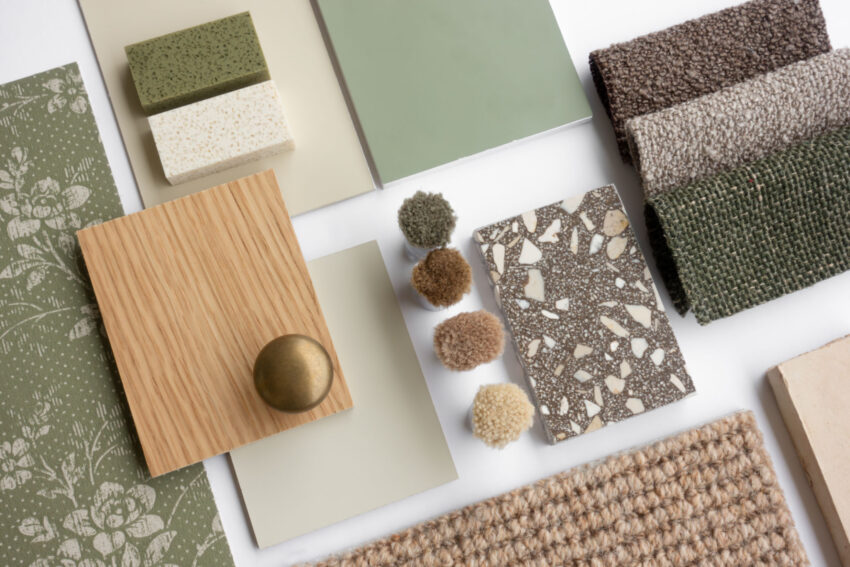
Sustainable interior materials are becoming increasingly important for homeowners, businesses, architects, and interior designers looking to reduce environmental impact without compromising functionality or aesthetics. The right materials can help reduce waste, improve indoor environmental quality, increase durability, and support more responsible construction and renovation practices. Sustainable design is not simply about choosing materials labelled “green”; it involves considering a material’s sourcing, manufacturing, transportation, lifespan, maintenance, recyclability, and eventual disposal.
When selecting materials for furniture and interiors, MDF vs Plywood: Which Material Is Best for Your Home Furniture? is a useful comparison because the choice of board material can affect durability, moisture performance, maintenance, and the overall life of a furniture product. Rather than choosing materials based only on their initial price, homeowners should consider how long the product is expected to last and how responsibly the material is manufactured.
What Are Sustainable Interior Materials?
Sustainable interior materials are materials selected and used in ways that reduce environmental impact throughout their life cycle.
Important factors can include:
- Responsible sourcing
- Recycled content
- Renewable resources
- Low-emission manufacturing
- Durability
- Repairability
- Recyclability
- Local availability
- Low maintenance requirements
- End-of-life disposal
A material does not necessarily need to be completely natural to be sustainable. A durable engineered product made with responsible manufacturing processes may sometimes have a lower overall environmental impact than a natural material that requires frequent replacement.
Why Choose Sustainable Materials?
Sustainable material selection can provide several benefits.
Reduced Environmental Impact
Materials made from recycled or responsibly sourced resources can help reduce pressure on natural resources.
Better Durability
Long-lasting materials reduce the frequency of replacement and renovation.
Lower Waste
Materials that can be reused, repaired, recycled, or efficiently manufactured can reduce construction waste.
Healthier Interiors
Low-emission products can help reduce the release of certain volatile organic compounds into indoor environments.
Long-Term Value
A durable material may cost more initially but provide better value over its useful life.
Sustainable Wood and Wood-Based Materials
Wood can be a responsible interior material when sourced and manufactured appropriately.
Options include:
- FSC-certified wood
- Reclaimed wood
- Recycled wood products
- Responsibly sourced plywood
- Low-emission engineered wood
Certification and sourcing information should be checked rather than assuming that every wood product is automatically sustainable.
Plywood
Plywood is widely used for furniture, cabinetry, partitions, and interior construction.
Its durability can make it a practical option where long service life is important.
When selecting plywood, consider:
- Wood sourcing
- Adhesive emissions
- Board quality
- Moisture resistance
- Expected lifespan
- Manufacturer certifications
A durable product that remains functional for many years can help reduce replacement waste.
MDF and Engineered Boards
MDF and other engineered wood products make efficient use of wood fibres and can provide consistent surfaces for furniture and cabinetry.
However, sustainability depends on factors such as:
- Fibre sourcing
- Resin formulation
- Formaldehyde emissions
- Manufacturing processes
- Product durability
- Recycling options
Low-emission certified products can be preferable for interior applications where indoor air quality is an important consideration.
Reclaimed Wood
Reclaimed wood gives existing timber another use instead of sending it to landfill or requiring new timber resources.
It can be used for:
- Feature walls
- Furniture
- Shelving
- Ceiling details
- Doors
- Decorative panels
Its natural imperfections can also provide a distinctive appearance.
Bamboo
Bamboo is a rapidly renewable material that can be used for:
- Flooring
- Wall panels
- Furniture
- Decorative surfaces
- Screens
However, the sustainability of a bamboo product also depends on processing, adhesives, transportation, and manufacturing practices.
Cork
Cork is harvested from the bark of cork oak trees without necessarily requiring the tree to be cut down.
It can be used for:
- Flooring
- Wall panels
- Acoustic surfaces
- Decorative applications
Its natural resilience and acoustic properties make it useful in certain residential and commercial interiors.
Recycled Metal
Recycled aluminium and steel can be used in:
- Furniture
- Partitions
- Lighting
- Display systems
- Architectural details
Metal can also have a long service life and, depending on the product and local recycling infrastructure, can be recycled at the end of its useful life.
Recycled Glass
Recycled glass can be incorporated into:
- Countertops
- Decorative panels
- Tiles
- Partitions
- Feature surfaces
It can provide distinctive visual effects while giving waste glass another application.
Natural Stone
Natural stone is durable and can last for decades when properly maintained.
Common options include:
- Granite
- Marble
- Slate
- Limestone
- Sandstone
However, transportation and quarrying can have environmental impacts, so locally sourced stone and efficient use of offcuts can improve the sustainability profile of a project.
Low-VOC Paints
Paint selection can have an important impact on indoor environmental quality.
Low-VOC and water-based paints can help reduce emissions compared with conventional high-VOC products.
They can be used for:
- Walls
- Ceilings
- Furniture
- Feature areas
Homeowners should still follow manufacturer recommendations regarding application and ventilation.
Sustainable Flooring
Flooring should be evaluated for durability, maintenance, material sourcing, and end-of-life options.
Potential choices include:
- Bamboo
- Cork
- Reclaimed wood
- Recycled-content tiles
- Natural linoleum
- Durable stone
- Recycled flooring products
A highly durable floor that lasts for decades may be preferable to a cheaper product that needs frequent replacement.
Sustainable Fabrics
Interior textiles can also contribute to a more responsible material strategy.
Options may include:
- Organic cotton
- Recycled polyester
- Hemp
- Linen
- Recycled fabrics
- Responsibly sourced wool
These materials can be used for:
- Curtains
- Upholstery
- Cushions
- Acoustic panels
- Rugs
Durability should remain an important consideration, particularly in commercial interiors.
Sustainable Furniture Materials
Furniture represents a significant portion of many interior projects.
More responsible choices can include:
- Certified wood
- Recycled metal
- Reclaimed timber
- Recycled plastics
- Low-emission engineered boards
- Repairable furniture components
Furniture designed for disassembly can also make future repair, replacement, and recycling easier.
Materials With Recycled Content
Using recycled materials can help reduce demand for virgin resources.
Depending on the project, recycled content can be found in:
- Metals
- Glass
- Plastics
- Flooring
- Acoustic products
- Furniture
- Decorative surfaces
However, recycled content should be evaluated alongside durability and expected lifespan.
Local Material Sourcing
Choosing locally available materials can potentially reduce transportation requirements and support regional manufacturers.
Local sourcing can also make:
- Replacement easier
- Maintenance more convenient
- Lead times shorter
- Product support more accessible
The environmental benefit depends on the complete supply chain, so “local” should not automatically be treated as synonymous with sustainable.
Durability as a Sustainability Strategy
One of the simplest ways to make an interior more sustainable is to design it to last.
Durable interiors can reduce:
- Replacement costs
- Construction waste
- Manufacturing demand
- Renovation frequency
For example, a well-built cabinet that remains functional for 15 years may be a more responsible choice than an inexpensive cabinet that needs replacement after a few years.
Reuse and Adaptive Design
Interior elements do not always need to be discarded during renovation.
Existing:
- Furniture
- Doors
- Cabinets
- Partitions
- Lighting
- Flooring
- Decorative elements
may be refurbished, relocated, or repurposed where practical.
Designing spaces around reusable and modular components can make future changes easier.
Sustainable Materials for Commercial Interiors
Offices, retail stores, hotels, schools, and healthcare facilities often require materials that can withstand heavy use.
A commercial material strategy should consider:
- Durability
- Maintenance
- Cleaning requirements
- Replacement availability
- Indoor air quality
- Recyclability
- Installation waste
A material that performs well under intensive use may ultimately be more sustainable than a delicate alternative that needs frequent replacement.
How to Select Sustainable Interior Materials
Before choosing a material, ask:
- Where does the raw material come from?
- Is it responsibly sourced?
- Does it contain recycled or renewable content?
- What emissions are associated with manufacturing?
- Is it low-emission for indoor use?
- How durable is it?
- How much maintenance does it require?
- Can it be repaired?
- Can it be reused or recycled?
- What happens at the end of its useful life?
These questions provide a more complete picture than simply looking for an “eco-friendly” label.
Avoiding Greenwashing
Not every product marketed as sustainable has the same environmental benefits.
Look for credible information such as:
- Product certifications
- Environmental Product Declarations
- Responsible sourcing certifications
- VOC or emissions testing
- Recycled-content documentation
- Manufacturer sustainability information
Comparing measurable product information can help distinguish genuine environmental improvements from vague marketing claims.
Conclusion
Sustainable interior materials can help create spaces that are durable, healthy, attractive, and more responsible from an environmental perspective. From responsibly sourced wood and recycled metals to low-VOC paints, reclaimed materials, recycled-content products, and durable flooring, there are many options available for residential and commercial interiors.
The most sustainable approach is rarely about choosing one “green” material. Instead, it involves selecting appropriate materials, using them efficiently, designing for longevity, reducing waste, and considering the complete life cycle of the interior. A well-planned sustainable interior can therefore combine environmental responsibility with practical performance and timeless design.