
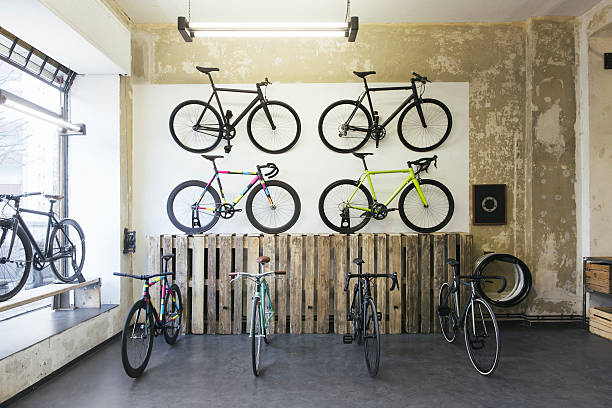
Buying a road bike is an exciting decision, whether you are preparing for your first long-distance ride, improving your fitness, or looking to compete. One of the first things most cyclists consider is the cost. However, comparing bicycles based only on the advertised amount can make it difficult to understand which option offers the best value.
Frame Material Makes a Difference
The frame is one of the most important factors influencing a bicycle’s cost. Entry-level road bikes commonly use aluminum because it can provide a good balance of durability, weight, and affordability. Higher-end models may feature carbon fiber frames, which can offer low weight and specific ride characteristics but generally come at a higher cost.
The right material depends on your priorities. A recreational cyclist may not need the features of a premium frame, while an experienced rider may value reduced weight and performance-oriented construction.
Components Affect Overall Value
A road bike consists of numerous components, including the drivetrain, brakes, wheels, crankset, handlebars, and saddle. The quality and specification of these parts can significantly affect the overall cost.
Higher-level groupsets may provide smoother shifting, improved braking performance, lower weight, or additional gearing options. However, more expensive components are not automatically necessary for every rider. Someone who mainly rides on weekends may benefit more from dependable, easy-to-maintain equipment than from professional-level components.
Consider How You Plan to Ride
Your intended use should play an important role when evaluating a bicycle. Riders who primarily use their bike for fitness and short recreational trips may have different requirements from cyclists preparing for races or long-distance events.
Think about where you will ride, how frequently you expect to use the bike, and what type of terrain you encounter. These considerations can help narrow your options and prevent spending money on features that you may rarely use.
Look Beyond the Initial Cost
The bicycle itself is only part of the overall investment. Essential accessories such as a helmet, lights, cycling clothing, a pump, bottles, and a repair kit may also be necessary. Future maintenance and replacement components should be considered when setting a realistic budget.
Understanding bicycle price differences becomes easier when you compare frame materials, components, intended use, comfort, and long-term value rather than focusing on cost alone.
Choose Value Over the Lowest Price
The least expensive bicycle is not always the best choice, just as the most expensive model is not necessarily the right one. A good purchase should provide the features, fit, reliability, and performance that match your individual needs.
Taking time to research specifications, compare options, and consider how you will actually use the bicycle can help you make a confident decision and enjoy many rewarding miles on the road.