
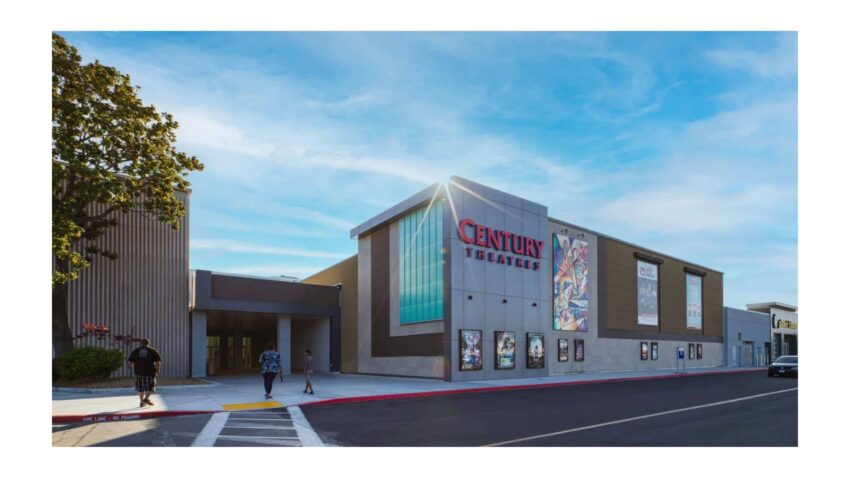
A shopping center can look successful from the outside while presenting a very different picture when its leases, tenant performance, expenses, and surrounding market are examined closely. For investors, this makes commercial retail property decisions far more detailed than simply comparing asking prices and capitalization rates.
The same applies to owners preparing for a sale. Strong occupancy does not automatically mean that a property is positioned for the best possible transaction. Lease rollover, tenant concentration, deferred maintenance, changing consumer patterns, and nearby development can all influence buyer interest.
This is where a strategic approach to shopping center investment sales becomes valuable. Steelhead Real Estate Partners approaches commercial real estate transactions by examining the factors that shape both present performance and future potential. Dive in!
Why are Investors Looking More Closely at Shopping Center Fundamentals?
Retail properties have changed significantly over the past decade. Online shopping has altered how consumers purchase certain products, but physical retail remains important for grocery shopping, dining, healthcare, fitness, entertainment, and other services.
As a result, investors increasingly look at what makes a particular shopping center relevant to its surrounding community.
A property may benefit from
- A strong grocery or essential-services anchor
- Convenient access and visible positioning
- A diverse tenant base
- Consistent customer traffic
- Established surrounding neighborhoods
- Limited competing retail inventory
- Opportunities to improve tenant performance
- Potential for redevelopment or adaptive reuse
These characteristics can affect how buyers view risk and future returns. A shopping center with a strong customer base and adaptable physical space may provide more investment possibilities than a property dependent on a narrow group of retailers.
How Does Location Affect Shopping Center Investment Sales?
Location remains one of the most important considerations in commercial property investment, but evaluating location requires more than identifying a desirable city.
Investors often examine the immediate trade area, household characteristics, employment patterns, traffic accessibility, competing retail centers, development activity, and consumer spending behavior.
A shopping center surrounded by established residential communities may have a different investment profile from one located in an emerging development corridor. Similarly, two properties within the same city can perform very differently because of visibility, access, parking, tenant mix, and nearby competition.
Northern California offers a range of commercial investment opportunities, making property-specific analysis particularly important. Rather than relying exclusively on broad market trends, investors can benefit from understanding the conditions affecting the individual asset and its surrounding trade area.
What Makes Tenant Mix Important to a Shopping Center’s Value?
Tenant mix can determine how frequently customers visit a shopping center and how long they remain there.
A center that combines essential retailers with restaurants, personal services, medical providers, fitness businesses, and specialty stores may create several reasons for customers to visit. These complementary uses can support traffic throughout different parts of the day and week.
Tenant quality also matters from an investment perspective. Investors may review the financial strength of major tenants, lease terms, expiration schedules, renewal options, rental rates, and the amount of income generated by individual occupants.
Concentration risk deserves particular attention. If a large portion of a property’s revenue depends on one tenant, that tenant’s departure could materially affect the asset. Conversely, a diversified tenant base may provide greater income stability.
For this reason, tenant analysis should be considered alongside the property’s physical and financial characteristics rather than treated as a separate issue.
What Financial Information Should Buyers Examine?
The income statement and rent roll provide important clues about how a shopping center operates. However, investors typically need to examine more than current rental income.
Important areas of review can include
- Current occupancy
- Rental rates compared with market levels
- Lease expiration schedules
- Tenant reimbursement structures
- Operating expenses
- Property tax obligations
- Maintenance requirements
- Capital expenditure needs
- Historical income performance
- Potential for future rent growth
A property with below-market rents may initially appear less profitable, but those leases could represent an opportunity for future income growth. On the other hand, unusually high rents may warrant closer examination if they are difficult for tenants to sustain.
This is why financial analysis should connect current performance with the property’s future operating prospects.
Can Physical Condition Influence an Investment Decision?
Physical condition can have a direct effect on investment returns. Roof systems, parking areas, signage, lighting, landscaping, building exteriors, mechanical systems, and common areas can all require capital at different stages of ownership.
An investor considering a shopping center acquisition needs to understand whether the property requires immediate improvements or whether major expenses may emerge in the coming years.
Physical improvements can also contribute to repositioning strategies. Updating common areas, improving visibility, addressing accessibility concerns, or reconfiguring underused space may help a property compete more effectively for tenants.
However, improvements only make sense when they align with the property’s market position and financial objectives.
How Can Owners Prepare a Shopping Center for Sale?
Owners do not have to wait until a property is formally listed to begin preparing for a transaction. Advance planning can help identify weaknesses and create a clearer presentation for prospective buyers.
A seller may begin by reviewing the property’s documentation and identifying areas that could raise questions during due diligence.
Useful preparation can include
- Organizing current lease and tenant information
- Reviewing upcoming lease expirations
- Identifying deferred maintenance
- Documenting recent capital improvements
- Reviewing operating expenses
- Assessing tenant concentration
- Comparing rents with current market conditions
- Understanding competing properties
- Identifying realistic value creation opportunities
The purpose is not to conceal challenges. A well-prepared seller should understand them and be able to explain how they affect the investment.
Why Does Market Positioning Matter When Selling Commercial Property?
A shopping center can attract very different types of buyers depending on how its investment characteristics are presented.
An income-focused investor may prioritize stable occupancy and predictable cash flow. Another buyer may be more interested in vacant space, below-market rents, redevelopment potential, or the possibility of changing the tenant mix.
This means commercial property marketing should communicate the factors that matter to the appropriate investment audience.
For owners pursuing Northern California commercial property sales, understanding the likely buyer pool can help shape the sales strategy. Property fundamentals, financial performance, market conditions, and future potential all contribute to the investment narrative presented to buyers.
What Role Does Market Research Play in Commercial Real Estate?
Market research provides context for property-level numbers. A shopping center’s financial performance becomes more meaningful when compared with surrounding properties, local demographics, tenant demand, development trends, and consumer activity.
For example, a property with moderate occupancy could warrant closer examination if nearby population growth and limited retail availability suggest stronger future demand. Conversely, a fully occupied property may face challenges if several competing centers are attracting the same customer base.
Steelhead Real Estate Partners draws on market knowledge and property analysis when evaluating commercial real estate opportunities across Northern California and broader Western U.S. markets. This allows investment decisions to consider both immediate conditions and longer-term possibilities.
How Can Investors Identify Value Creation Opportunities?
Not every investment opportunity depends on purchasing a perfect property. In some cases, the opportunity lies in identifying what can be improved.
Potential value creation strategies may involve
- Filling vacant spaces with complementary tenants
- Restructuring leases during renewal periods
- Improving property presentation
- Addressing inefficient operating expenses
- Repositioning underused areas
- Strengthening tenant relationships
- Evaluating redevelopment potential
- Improving the overall customer experience
The suitability of any strategy depends on the property’s location, existing leases, capital requirements, and market demand.
For an investor, the important question is whether the potential improvement can justify the required investment and execution risk.
Why is Professional Guidance Valuable in Shopping Center Transactions?
Shopping center transactions can involve substantial financial commitments and numerous variables. Buyers must assess the asset, while sellers need to understand how the property will be viewed by the market.
A commercial real estate advisory firm can help connect market research, financial analysis, property characteristics, and transaction strategy. This can be especially useful when a property does not fit neatly into a standard investment category.
Steelhead Real Estate Partners combines a focused advisory approach with commercial real estate market knowledge. Its experience with retail properties and investment strategies can help clients evaluate opportunities through both an immediate transaction perspective and a longer-term ownership perspective.
Final Words
Shopping centers continue to offer meaningful opportunities for commercial real estate investors, but their investment potential depends on much more than occupancy or current rental income. Tenant quality, lease structures, location, customer demand, physical condition, operating performance, and future development possibilities can all influence the value and marketability of an asset.
For owners and investors considering Northern California’s commercial property sales, careful preparation and property-specific analysis can make the difference between simply completing a transaction and pursuing a strategically positioned investment outcome. Steelhead Real Estate Partners helps clients examine these considerations with a focused approach to commercial real estate strategy and execution.
Those evaluating a potential acquisition, preparing a shopping center for disposition, or considering broader real estate sales can connect with Steelhead Real Estate Partners to discuss the property’s market position and potential transaction strategy.