
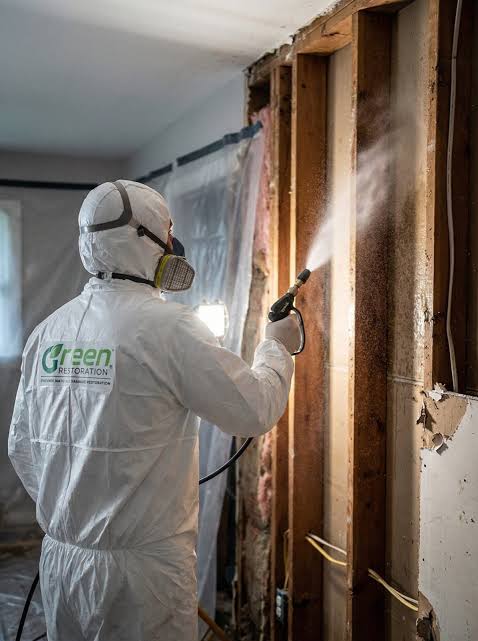
Mold can become a serious concern for homeowners when moisture enters areas where it should not be. Bathrooms, basements, crawl spaces, attics, kitchens, laundry rooms, and other damp areas can provide favorable conditions for mold growth. If moisture problems are not addressed, mold can continue spreading and may cause unpleasant odors, visible staining, and damage to building materials.
For homeowners searching for Professional Residential Mold Remediation in Darien, CT, understanding the remediation process is an important first step. Professional remediation focuses not only on removing visible mold but also on identifying moisture sources, containing affected areas, cleaning appropriate surfaces, and helping prevent the problem from returning.
This comprehensive guide explains what residential mold remediation involves, when professional help may be necessary, how the process works, and how Darien homeowners can take practical steps to maintain a cleaner and drier home.
What Is Residential Mold Remediation?
Mold remediation is a structured process designed to address mold contamination in an indoor environment. It generally involves identifying the source of moisture, assessing affected areas, containing the contamination when necessary, removing or cleaning affected materials, and addressing the underlying moisture problem.
Remediation is different from simply spraying a chemical on visible mold. If the moisture source remains unresolved, mold can return even after the visible growth has been cleaned.
A professional approach considers both the mold and the conditions that allowed it to develop.
Why Mold Can Be a Problem in Homes
Mold spores are naturally present in the environment. The concern arises when moisture allows mold to grow indoors.
Common moisture sources include:
- Plumbing leaks
- Roof leaks
- Flooding
- Condensation
- Poor bathroom ventilation
- Damp basements
- Crawl-space moisture
- Appliance leaks
- Foundation water intrusion
- High indoor humidity
- Poor drainage around the property
Even a relatively small leak can create a moisture problem if it remains unnoticed for an extended period.
Common Areas Where Residential Mold Develops
Mold can develop in many parts of a house, particularly where moisture and limited ventilation occur together.
Basements
Basements can be vulnerable because they are below ground level and may experience moisture intrusion, condensation, or inadequate ventilation. Mold may develop on walls, floors, stored items, wood framing, or other materials.
Bathrooms
Bathrooms regularly experience steam and moisture. Poor ventilation can allow humidity to remain elevated, increasing the likelihood of mold growth around showers, tubs, ceilings, walls, and grout.
Attics
Roof leaks, inadequate ventilation, and condensation can create favorable conditions for mold in attics. Insulation and wooden structural components may be affected when moisture persists.
Crawl Spaces
Crawl spaces can experience moisture from soil, poor drainage, plumbing leaks, or inadequate vapor protection. Because these areas are often difficult to inspect, problems can remain hidden.
Kitchens and Laundry Rooms
Dishwashers, washing machines, refrigerators, sinks, and plumbing connections can all become sources of leaks. Moisture behind cabinets or appliances may remain unnoticed until mold or odor becomes apparent.
Signs You May Have a Mold Problem
Visible mold is one of the clearest warning signs, but it is not the only indicator.
Homeowners may notice:
- Musty or earthy odors
- Dark, green, white, or gray spots
- Persistent dampness
- Water stains
- Discolored walls or ceilings
- Peeling paint or wallpaper
- Damaged drywall
- Moisture around plumbing
- Condensation on windows or walls
- Recurring mold after cleaning
- Unexplained deterioration of materials
A persistent musty odor can be particularly important because mold may be present in an area that is not immediately visible.
Why Professional Mold Remediation Matters
Small surface areas may sometimes be addressed through routine household cleaning, but larger, recurring, hidden, or moisture-related mold problems can require a more comprehensive approach.
Professional remediation can provide several advantages.
1. Identifying the Moisture Source
Removing mold without addressing moisture is often only a temporary solution. Professionals can investigate likely sources such as plumbing leaks, condensation, roof problems, or water intrusion.
Correcting the moisture source is a fundamental part of long-term mold management.
2. Containing Affected Areas
When appropriate, affected areas can be isolated to help reduce the movement of mold-containing dust and debris into unaffected parts of the home.
Containment procedures vary depending on the size and nature of the affected area.
3. Appropriate Removal and Cleaning
Some porous materials may be difficult or impossible to clean completely once heavily contaminated. Depending on the circumstances, affected drywall, insulation, carpeting, or other materials may need to be removed.
Materials that can safely be cleaned may be treated using suitable professional methods.
4. Reducing Recurrence
A successful remediation strategy should address the conditions that contributed to the mold problem. Moisture control, ventilation improvements, leak repairs, and humidity management can all play an important role.
The Professional Residential Mold Remediation Process
Although the exact procedure varies from property to property, professional remediation commonly includes several stages.
Step 1: Initial Assessment
The property is evaluated for visible mold, moisture damage, odors, and areas that may be vulnerable to hidden contamination.
The goal is to understand the extent of the problem and identify potential moisture sources.
Step 2: Moisture Investigation
Professionals may inspect areas around plumbing, walls, ceilings, floors, basements, crawl spaces, and other locations where water may have entered.
Moisture detection equipment can sometimes help identify damp areas that are not obvious during a visual inspection.
Step 3: Remediation Planning
Based on the findings, a remediation plan can be developed. This may include containment, cleaning, removal of damaged materials, drying, and moisture correction.
The scope should be appropriate for the actual condition of the property rather than based solely on the amount of visible mold.
Step 4: Containment
For larger or more sensitive remediation projects, containment may be used to separate affected areas from unaffected parts of the home.
The objective is to minimize unnecessary spread of mold-containing particles during remediation activities.
Step 5: Removal of Unsalvageable Materials
Porous materials that are extensively contaminated or damaged may need to be removed. Examples can include certain drywall, insulation, carpeting, and other absorbent materials.
Removal decisions should be based on the material’s condition and the extent of contamination.
Step 6: Cleaning and Treatment
Surfaces that can be appropriately cleaned may undergo professional cleaning. The methods used depend on the material and the contamination.
Simply covering mold with paint or another coating is not considered a substitute for proper remediation.
Step 7: Drying and Moisture Control
Affected areas should be properly dried, and the underlying moisture issue should be corrected whenever possible.
This may involve repairing plumbing leaks, improving ventilation, correcting drainage issues, or addressing water intrusion.
Step 8: Final Inspection
After remediation work is completed, the affected areas can be inspected to verify that the work has been completed according to the remediation plan.
Mold Remediation and Water Damage
Mold and water damage are often closely connected. When a home experiences a plumbing leak, flooding, storm damage, or another water event, materials may remain damp long enough to support mold growth.
Prompt drying and water-damage response can reduce the likelihood of a larger mold problem.
Homeowners should pay particular attention to:
- Wet drywall
- Damp carpeting
- Saturated insulation
- Wet wood
- Ceiling leaks
- Standing water
- Moisture beneath flooring
- Damp cabinets
Addressing water damage quickly can be an important part of preventing future remediation work.
How Humidity Affects Mold Growth
Indoor humidity is an important factor in moisture management. Excessive humidity can create condensation on cool surfaces and contribute to damp conditions.
Homeowners can help manage indoor moisture by:
- Using bathroom exhaust fans
- Ventilating kitchens
- Repairing leaks promptly
- Using dehumidification when appropriate
- Improving airflow in damp areas
- Keeping gutters and drainage systems maintained
- Monitoring areas prone to condensation
The goal is to maintain a dry indoor environment and address moisture problems before they become larger issues.
DIY Mold Cleaning vs. Professional Remediation
Not every mold-related situation requires a professional remediation company. Small, isolated areas on appropriate non-porous surfaces may sometimes be handled as part of normal household maintenance.
However, professional evaluation may be appropriate when:
- Mold covers a substantial area
- Mold keeps returning
- There has been significant water damage
- Mold is suspected inside walls or ceilings
- Insulation or drywall is affected
- The moisture source is unknown
- The affected area is difficult to access
- There is extensive musty odor
- You are unsure how to safely address the contamination
Homeowners should avoid disturbing large areas of suspected mold unnecessarily, as aggressive cleaning or demolition can spread dust and debris.
Why Simply Painting Over Mold Is Not Enough
Painting over visible mold may temporarily hide discoloration, but it does not address the underlying problem.
If moisture remains present, mold can continue developing beneath or around the coating. The appropriate approach is to identify the moisture source, address contamination, and repair affected materials as necessary before refinishing the surface.
This is why professional remediation focuses on the cause as well as the visible symptoms.
Choosing a Mold Remediation Company in Darien, CT
When searching for Professional Residential Mold Remediation in Darien, CT, homeowners should evaluate potential providers carefully.
Consider factors such as:
- Experience with residential mold remediation
- Knowledge of moisture-related problems
- Clear explanation of the remediation process
- Proper containment procedures when needed
- Experience with water-damaged properties
- Transparent estimates
- Customer reviews and reputation
- Appropriate documentation of completed work
A trustworthy company should be able to explain what it found, what caused the moisture problem, what materials require attention, and what steps are recommended.
Homeowners can also use rank business listings as part of their local search strategy when researching and comparing residential service providers online.
How to Prevent Future Mold Problems
Prevention begins with moisture control.
Fix Leaks Quickly
Even small plumbing leaks can create persistent damp areas. Repair leaking pipes, fixtures, appliances, and roof areas as soon as possible.
Improve Ventilation
Use exhaust fans in bathrooms and kitchens to help remove excess moisture.
Monitor Damp Areas
Regularly inspect basements, crawl spaces, attics, and areas around plumbing for signs of moisture.
Maintain Gutters and Drainage
Proper drainage can help direct rainwater away from the home’s foundation.
Control Indoor Humidity
Use appropriate ventilation and dehumidification methods when needed to help maintain comfortable indoor moisture levels.
Respond Quickly to Water Damage
After a leak or flooding event, prompt drying and repair can reduce the likelihood of prolonged moisture exposure.
Frequently Asked Questions
What is the difference between mold removal and mold remediation?
Mold removal generally refers to physically removing mold, while remediation is a broader process that can include assessment, containment, cleaning or removal of affected materials, moisture correction, and prevention of recurrence.
How long does residential mold remediation take?
The timeframe depends on the size of the affected area, type of materials involved, moisture source, extent of damage, and required repairs. Smaller projects may be completed more quickly than extensive water-damage remediation.
Can mold return after professional remediation?
Mold can return if the underlying moisture problem is not corrected. Effective remediation should therefore address both the contamination and the conditions that allowed it to develop.
Does a musty smell always mean there is mold?
A musty odor can have several possible causes, but persistent odors in damp or previously water-damaged areas may warrant further inspection.
Can mold grow behind walls?
Yes. Leaks and moisture trapped behind walls can create conditions where mold develops out of sight. Signs such as persistent odors, staining, or unexplained moisture may justify professional evaluation.
Should damaged drywall always be replaced?
Not necessarily. The appropriate response depends on the extent of contamination, moisture exposure, and condition of the material. Severely damaged or contaminated porous materials may need removal.
How can homeowners prevent mold?
The most important strategy is moisture control. Repair leaks, improve ventilation, manage indoor humidity, maintain drainage, and respond promptly to water damage.
Conclusion
Mold problems can be frustrating for homeowners, particularly when contamination is hidden or repeatedly returns. Professional Residential Mold Remediation in Darien, CT provides a comprehensive approach that goes beyond cleaning visible mold. A professional process can help identify moisture sources, assess affected materials, contain the area when necessary, clean or remove contaminated materials, and address conditions that may contribute to future growth.
For Darien homeowners, prevention is just as important as remediation. Promptly addressing leaks, controlling indoor moisture, maintaining ventilation, and responding quickly to water damage can help protect the home from recurring moisture problems.
When mold contamination is extensive, persistent, hidden, or connected to significant water damage, seeking qualified professional assistance can be a practical step toward restoring a cleaner, drier, and better-maintained residential environment. rank business listings can also support local visibility efforts by helping service businesses reach homeowners searching online for residential mold remediation solutions.