
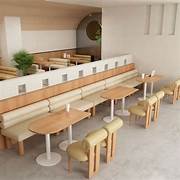
Restaurants need furniture that combines comfort, durability, visual appeal, and efficient space utilization. Custom restaurant furniture manufacturers create tables, chairs, booths, benches, bar stools, counters, and other furniture according to the specific requirements of restaurants and hospitality spaces. Customized furniture allows restaurant owners to match dimensions, materials, finishes, colours, and designs with their interior concept and brand identity.
Material selection is especially important when developing commercial furniture, making MDF vs Plywood a useful consideration for understanding how different furniture substrates can influence strength, stability, finish quality, and application suitability. The right material should be selected according to the furniture type, expected usage, maintenance requirements, and overall design concept.
Customized Restaurant Furniture Solutions
Every restaurant has a different floor plan, seating capacity, theme, and customer profile. Standard furniture may not always make efficient use of available space. Custom manufacturing allows furniture to be designed according to the actual dimensions and layout of the restaurant.
Tables, chairs, booths, banquettes, counters, bar stools, and storage units can be manufactured in customized sizes and configurations. This helps create a coordinated environment while maximizing available seating.
Restaurant Dining Tables
Dining tables are central to the customer experience. Their dimensions should provide sufficient dining space while maintaining comfortable circulation between seating areas.
Custom tables can be produced in round, square, rectangular, oval, or other shapes. Tabletops may use solid wood, plywood, veneer, laminate, engineered surfaces, or other suitable materials. Bases can also be customized using wood or metal according to the restaurant’s design.
Comfortable Restaurant Chairs
Restaurant chairs need to provide comfort while handling frequent daily use. Their construction, joints, upholstery, dimensions, and finishes should therefore be selected carefully.
Custom manufacturers can create wooden chairs, metal chairs, upholstered seating, lounge chairs, and other designs. Chair height and proportions should also correspond with the dining tables to provide a comfortable seating experience.
Booths and Banquette Seating
Booths and banquettes are useful for restaurants that want to maximize seating while creating a distinctive atmosphere. They can be installed along walls, corners, or specially planned dining zones.
L-shaped, U-shaped, straight, and curved seating can be customized according to the restaurant’s floor plan. Upholstery, colours, fabrics, textures, foam, and detailing can be selected to complement the overall interior.
Bar Counters and Stools
Restaurants, cafés, and bars may require custom-designed counters and stools. A bar counter needs to accommodate customer seating while providing sufficient space for equipment, storage, staff movement, and service activities.
Bar stools can be manufactured in wood, metal, upholstered, or combination designs. Their height and dimensions should correspond with the counter for comfortable use.
Selecting Suitable Materials
Material selection has a direct effect on the durability and appearance of restaurant furniture. Solid wood, plywood, MDF, veneer, laminates, metal, glass, acrylic, and other materials can be used depending on the application.
For example, the choice between MDF vs Plywood should consider factors such as structural requirements, moisture exposure, surface finishing, weight, and budget. Different materials may be appropriate for different furniture components.
Furniture That Reflects Brand Identity
Furniture can become an important part of a restaurant’s visual identity. A fine-dining restaurant may prefer sophisticated furniture with premium finishes, while a casual café may choose colourful, minimalist, or industrial-inspired designs.
Custom furniture allows materials, colours, upholstery, shapes, and detailing to coordinate with the restaurant’s walls, flooring, lighting, signage, and decorative elements.
Space-Efficient Furniture
Restaurants need to balance seating capacity with customer comfort. Oversized furniture can restrict circulation, while furniture that is too small may not provide adequate comfort.
Custom manufacturing allows tables, booths, counters, and seating to be developed according to the available floor area. Compact tables, wall-side benches, stackable chairs, and multifunctional furniture can be considered where space is limited.
Outdoor Restaurant Furniture
Restaurants with terraces, patios, rooftops, or outdoor dining areas require furniture suitable for the intended environment. Materials and finishes should be selected according to exposure to sunlight, moisture, temperature changes, and regular cleaning.
Outdoor furniture can include tables, chairs, benches, stools, and lounge seating designed to complement the restaurant’s exterior environment.
Commercial-Grade Durability
Restaurant furniture experiences frequent use throughout the day. Chairs are repeatedly occupied, tables are regularly cleaned, and furniture may need to withstand constant movement.
Manufacturers should therefore focus on strong construction, appropriate hardware, reliable joints, durable surfaces, and easy maintenance. Commercial furniture should be specified according to the expected level of usage.
Manufacturing and Installation
A professional custom furniture process can include consultation, measurements, design development, material selection, manufacturing, finishing, quality inspection, transportation, and installation.
Accurate measurements are essential when furniture must fit precisely into a restaurant layout. Professional installation helps ensure that tables, counters, booths, and other furniture elements are correctly aligned and securely positioned.
Choosing the Right Manufacturer
When selecting custom restaurant furniture manufacturers, restaurant owners should consider manufacturing capabilities, material quality, customization options, commercial project experience, finishing standards, production capacity, quality-control procedures, delivery schedules, and installation services.
Reviewing completed hospitality projects and examining physical samples can help assess the manufacturer’s workmanship. Clear specifications for dimensions, materials, upholstery, finishes, quantities, and delivery should be finalized before production.
Conclusion
Custom restaurant furniture manufacturers can help restaurants create distinctive and practical furniture solutions tailored to their space, brand identity, seating capacity, and operational requirements. From dining tables and chairs to booths, counters, stools, and outdoor furniture, customized solutions provide greater flexibility than standard furniture.
Considering MDF vs Plywood can also help restaurant owners make more informed decisions about furniture construction and material suitability. By combining appropriate materials, commercial-grade construction, thoughtful design, and professional installation, restaurants can create comfortable, durable, and visually appealing dining environments.