
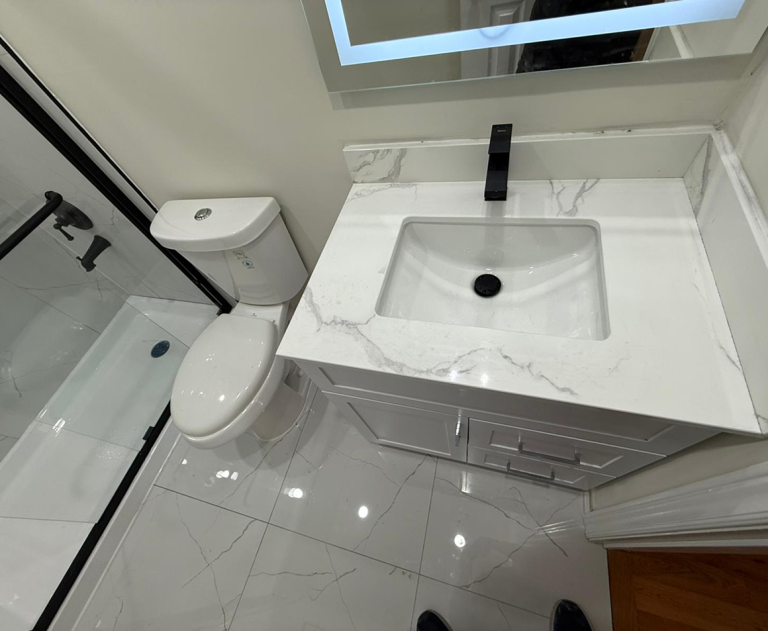
Kitchen and bathroom renovations can make a home more comfortable, functional, and appealing. These two spaces are used every day, so even small improvements can have a noticeable effect on daily life. However, renovating both areas at the same time requires careful planning, especially when you need to manage a budget, schedule, materials, and different types of work.
If you are unsure where to begin, start with your needs rather than choosing finishes or fixtures. Think about what is not working in your current spaces, what you want to improve, and how long you expect to stay in the home. A clear plan can help you avoid unnecessary changes and make better decisions throughout the project.
Start With Your Renovation Goals
Before contacting contractors or shopping for materials, identify the main reasons for renovating. Your goals could include improving storage, updating outdated fixtures, creating more usable space, improving lighting, or making the home easier to maintain.
Take some time to walk through both rooms and note the problems you experience regularly. A kitchen may lack counter space, while a bathroom may have poor storage or an inconvenient layout.
If the project is part of a Full House Renovation, it is especially important to establish priorities early. A whole home project can involve many decisions, so knowing which improvements matter most can help you manage your time and budget.
Separate Needs From Wants
Not every improvement has the same importance. Essential work, such as fixing damaged areas, addressing plumbing concerns, or improving ventilation, should generally receive attention before purely decorative upgrades.
Make two simple categories:
- Essential improvements, such as repairs, layout problems, ventilation, plumbing, lighting, and storage.
- Optional improvements, such as decorative finishes, specialty fixtures, upgraded accessories, and design features.
This approach gives you a clearer idea of where your budget should go.
Decide Which Room to Renovate First
There is no universal rule that says the kitchen must come before the bathroom. The right starting point depends on the condition of each room, the scope of the project, and your household needs.
If the kitchen has serious functional problems, such as damaged cabinets, inadequate electrical capacity, or poor storage, it may make sense to begin there. If the bathroom has water damage, outdated plumbing, or ventilation concerns, addressing those issues may be more urgent.
When both spaces are in reasonable condition, consider the size and complexity of each project. Kitchen renovations often involve cabinets, countertops, appliances, lighting, plumbing, and flooring. A Bathroom Renovation And Remodel may involve fewer major components, although waterproofing, plumbing, electrical work, and ventilation still require careful planning.
Create a Realistic Budget
Budgeting should happen before major design decisions. Knowing how much you are comfortable spending can help you choose materials and features that fit your financial plans.
Get a clear understanding of the expected cost of labor, materials, fixtures, appliances, permits where required, and other project expenses. It is also sensible to keep some room in the budget for unexpected conditions that may be discovered after work begins.
Spend Where It Matters
Not every part of a renovation needs the most expensive option. Focus your spending on elements that affect everyday use and long term performance.
For a kitchen, this could mean durable cabinets, practical storage, quality work surfaces, and suitable lighting. For a bathroom, it may mean reliable plumbing fixtures, proper waterproofing, good ventilation, and flooring appropriate for wet conditions.
If you are completing a Full House Renovation, divide the overall budget between rooms rather than allowing one area to consume resources needed elsewhere.
Plan the Kitchen Layout First
The kitchen layout affects how easily people cook, clean, store food, and move around the room. Before selecting cabinet colors or countertop materials, make sure the basic arrangement works for your household.
Think about the locations of the refrigerator, sink, cooking area, preparation surfaces, cabinets, and major appliances. There should be enough room to move safely without creating unnecessary obstacles.
Improve Storage and Counter Space
A kitchen can feel difficult to use when everyday items have no proper place. Consider how much storage you actually need and which items are used most often.
Drawers, tall cabinets, corner storage, pantry areas, and organizers can help make better use of available space. At the same time, maintain enough clear counter space for food preparation and daily tasks.
Good kitchen design is not only about appearance. It should make everyday activities easier.
Plan the Bathroom Around Comfort
The bathroom should be designed around the way it is used every day. Consider the position of the vanity, toilet, shower, bathtub, storage, and door before making final selections.
During a Bathroom Renovation And Remodel, it can be tempting to focus heavily on attractive tiles and fixtures. However, the layout and practical details should come first.
Consider features such as:
- Suitable storage for towels and toiletries.
- Comfortable movement around the main fixtures.
- Good lighting around the vanity and other important areas.
- Proper ventilation to manage moisture.
These details can make a bathroom easier to use and maintain.
Think About Lighting in Both Rooms
Lighting has a major effect on how kitchens and bathrooms feel. Natural light can be helpful during the day, but artificial lighting is also important.
In the kitchen, combine general lighting with focused lighting over areas where food is prepared or tasks are performed. In the bathroom, suitable lighting around the mirror can make grooming easier, while general lighting should provide enough visibility throughout the room.
Avoid choosing lighting based only on appearance. Consider brightness, placement, ease of maintenance, and how the room will be used at different times of day.
Select Materials for Real Life
Renovation materials should match the demands of the room. Kitchens experience heat, food spills, cleaning, and frequent use. Bathrooms experience water, humidity, and regular cleaning.
Choose surfaces that are suitable for these conditions and that fit your maintenance preferences. A material that looks attractive but requires more care than you want may not be the best choice for your household.
During a Full House Renovation, it can also help to choose materials that create some visual consistency between rooms without making every space look identical.
Coordinate Plumbing and Electrical Work
Kitchen and bathroom projects often involve plumbing and electrical systems. Changes to sinks, dishwashers, showers, toilets, lighting, outlets, and appliances can require professional planning.
Before construction begins, discuss these requirements with qualified professionals. This is particularly important if walls are being opened or fixtures are moving to new locations.
Planning these systems early can help reduce the chance of expensive changes after cabinets, walls, flooring, or other finishes have been installed.
Consider Your Daily Routine
A successful renovation should fit your lifestyle. Think about who uses the kitchen and bathroom, when they use them, and what causes inconvenience today.
For example, a family may need more kitchen storage and durable surfaces. A household with limited space may benefit from compact bathroom fixtures and smarter storage.
A Bathroom Renovation And Remodel should solve real problems rather than simply copying a design seen online. Your home, routines, preferences, and available space should guide the final decisions.
Work With a Clear Project Plan
Once your priorities, budget, layouts, and materials are established, create a clear project plan. Discuss the expected sequence of work, estimated timeline, material delivery, and responsibilities with your renovation professional.
Kitchen and bathroom work can affect other parts of the home, so consider how construction will affect your daily routine. If both rooms are being renovated together, proper scheduling can help organize trades and reduce unnecessary delays.
For a larger Full House Renovation, coordination becomes even more important because several rooms and systems may be involved at the same time.
Final Thoughts
The best place to start a kitchen and bathroom renovation is with careful planning. Identify your goals, establish a realistic budget, assess the condition of each room, and prioritize practical improvements before focusing on decorative details.
Whether you begin with the kitchen or the bathroom depends on your home’s condition and your specific needs. A thoughtful Bathroom Renovation And Remodel can improve comfort and usability, while a well planned kitchen can make everyday cooking and household tasks easier.
For homeowners who want professional guidance with kitchen, bathroom, or larger home improvement projects, Quick & Perfect Renovation can help turn renovation ideas into practical plans designed around the needs of your home.