
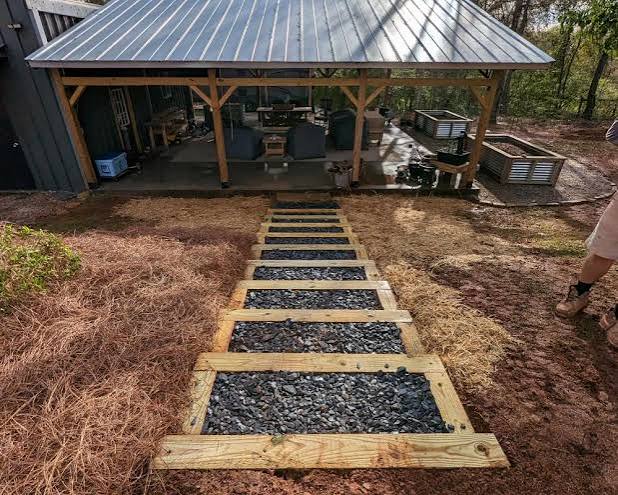
A well-maintained landscape requires more than mowing the lawn and watering plants. Trees, shrubs, flowers, and garden beds also need proper protection to maintain healthy growing conditions and an attractive appearance. Mulch is a practical landscaping material that can help cover exposed soil, reduce weed competition, conserve moisture, and give planting areas a cleaner finished look. When installed correctly, mulch can become an important part of a residential landscape maintenance plan.
For homeowners interested in improving their outdoor spaces, Trusted Mulch Installation in Gainesville, GA can provide a practical solution for protecting planting beds and improving overall landscape appearance. Professional installation focuses on selecting suitable mulch, preparing the area, distributing the material evenly, and maintaining an appropriate depth around plants. These steps can help homeowners get more functional and visual value from their landscape beds.
What Is Mulch Installation?
Mulch installation is the process of placing a protective layer of material over exposed soil in selected landscape areas. Mulch can be installed around trees, shrubs, flowers, garden beds, walkways, and other suitable areas.
Depending on the landscape design, homeowners can choose from organic and inorganic mulch materials. Organic options can include shredded wood, bark, wood chips, and pine straw. Inorganic options can include decorative stone and other landscape materials.
The right choice depends on the purpose of the area, plant requirements, desired appearance, and maintenance preferences.
Why Is Mulch Important for Gainesville Landscapes?
Mulch can serve several useful purposes in a residential landscape. It can help reduce moisture evaporation from exposed soil, which may support more consistent soil moisture between watering sessions.
It can also help limit weed growth by reducing the amount of sunlight reaching weed seeds near the soil surface.
In addition to these practical benefits, mulch creates a visually consistent surface around plants. This can make garden beds appear more organized and maintained.
How Does Mulch Help Retain Soil Moisture?
Exposed soil can lose moisture through evaporation, especially during warm weather. A layer of mulch creates a barrier between the soil surface and surrounding conditions.
This can help slow moisture loss and support more stable moisture levels around plant roots.
Mulch does not replace irrigation, however. Plants still need appropriate watering based on their species, age, soil conditions, and weather.
Can Mulch Reduce Weed Growth?
Yes. One of the most common reasons homeowners install mulch is to reduce weeds in planting beds.
A properly applied mulch layer can block some sunlight and make it harder for weeds to emerge.
Mulch will not prevent every weed, and occasional maintenance may still be required. However, combining mulch with regular landscape care can make planting beds easier to manage.
How Can Mulch Improve Landscape Appearance?
Mulch can provide a clean background around trees, shrubs, flowers, and other plants.
It can help define the edges of garden beds and create a visual transition between plants and lawns.
Homeowners can choose different materials based on their preferred color, texture, and landscape style. A consistent application can make the entire property look more organized.
What Types of Mulch Can Homeowners Choose?
There are many types of mulch available for residential landscaping. Hardwood mulch is a popular organic option and can provide a natural appearance around trees and shrubs.
Shredded wood mulch can also be used in garden beds, while bark can offer a distinct texture and decorative appearance.
Pine straw is another option for certain landscapes. Decorative stone may be appropriate for areas where a longer-lasting inorganic material is preferred.
The ideal material depends on the location and purpose of the landscape bed.
What Is Hardwood Mulch?
Hardwood mulch is produced from processed wood and is commonly used around trees, shrubs, and garden beds.
It provides a natural appearance and gradually breaks down over time. As organic mulch decomposes, it can contribute organic material to the soil.
Because it decomposes, homeowners may need to refresh hardwood mulch periodically to maintain its appearance and coverage.
Is Pine Straw Suitable for Landscape Beds?
Pine straw can be useful for certain residential landscapes. It is lightweight and can be distributed around plants without the weight associated with some other materials.
It can provide a natural appearance and help cover exposed soil.
As with other mulch materials, homeowners should consider plant requirements, landscape design, and maintenance needs before selecting pine straw.
How Deep Should Mulch Be?
The appropriate depth depends on the type of mulch and the landscape application.
The goal is to create enough coverage to provide useful protection without applying an unnecessarily thick layer.
Excessive mulch can retain too much moisture and create problems around plant bases. Proper installation focuses on an appropriate and consistent depth throughout the planting area.
Why Should Mulch Stay Away From Tree Trunks?
Mulch should not be piled directly against tree trunks.
Excessive moisture around the trunk can create conditions that may contribute to decay and other problems.
Instead, mulch should be distributed around the tree while leaving the appropriate area around the trunk uncovered.
This allows homeowners to benefit from mulch without unnecessarily covering the tree’s base.
Can Mulch Protect Plant Roots?
Mulch can help create more stable soil conditions around plant roots. It can reduce direct exposure of soil to heat and help slow moisture loss.
These benefits can be particularly useful for newly planted trees and shrubs that are still developing their root systems.
Healthy root conditions can support stronger establishment and long-term landscape performance.
Can Mulch Help Newly Planted Trees?
Newly planted trees require appropriate moisture and care while they become established.
Mulch can help conserve moisture around the root zone and reduce competition from grass and weeds.
However, mulch should be installed correctly and should not be placed directly against the trunk.
Watering should also continue according to the tree’s specific requirements.
How Can Professional Mulch Installation Help?
Professional installation can provide more consistent results than simply spreading mulch across a planting bed.
A professional can evaluate the landscape, determine suitable mulch materials, prepare the area, and distribute the mulch at an appropriate depth.
Professional installation can also help identify potential issues such as poor drainage, overcrowded planting beds, or areas where mulch may not be suitable.
How Does Mulch Affect Soil Temperature?
Mulch can help moderate changes in soil temperature by creating a protective layer over exposed soil.
During warmer conditions, it can reduce direct exposure to heat. During cooler periods, the mulch layer can provide some insulation.
Stable soil temperatures can create more favorable conditions around plant roots.
Can Mulch Help With Soil Erosion?
Mulch can help protect exposed soil from the direct impact of rainfall. This can reduce the movement of loose soil particles in some landscape areas.
However, mulch alone may not solve serious drainage or erosion problems.
Properties with significant water-flow issues may need additional drainage or grading solutions.
Can Mulch Improve Flower Beds?
Mulch can make flower beds look more organized while helping cover exposed soil between plants.
It can create contrast between colorful flowers and the ground surface and help define the boundaries of a garden bed.
When choosing mulch for flowers, homeowners should consider the material’s appearance and how it complements the plants.
How Can Mulch Work Around Shrubs?
Shrubs can benefit from mulch because it can reduce weed competition and help maintain more consistent soil moisture.
Mulch can also create a cleaner appearance around shrub groupings.
As shrubs grow, the mulch area may need to be expanded to accommodate their developing root zones and landscape design.
Can Mulch Be Used Around Walkways?
Mulch can be used near walkways as part of a broader landscape design, particularly in planting beds adjacent to paths.
However, mulch should be contained properly so it does not regularly spill onto walking surfaces.
Well-defined planting beds can make maintenance easier and keep pathways cleaner.
What Are Common Mulch Installation Mistakes?
One common mistake is installing mulch too deeply. Excessive material can create moisture and airflow problems.
Another mistake is piling mulch against tree trunks or shrub stems.
Uneven distribution can also make landscape beds look untidy.
Using the wrong mulch material for a particular application can create unnecessary maintenance or aesthetic issues.
Careful planning and professional installation can help prevent these problems.
How Often Should Mulch Be Refreshed?
Organic mulch gradually breaks down, so it may need to be refreshed when the layer becomes thin or loses its intended appearance.
The timing depends on the type of mulch, weather conditions, landscape exposure, and maintenance practices.
Homeowners should evaluate the existing mulch before adding more material. Simply adding new mulch over a thick existing layer may not be appropriate.
Can Mulch Reduce Landscape Maintenance?
Mulch can contribute to easier landscape maintenance by helping reduce weed growth and moisture loss.
This does not eliminate maintenance, but it can reduce some of the effort required to keep planting beds attractive.
Regular inspection, occasional weed removal, appropriate watering, and mulch replenishment can help maintain healthy landscape areas.
How Can Mulch Support Sustainable Landscaping?
Organic mulch can gradually decompose and return organic matter to the soil.
Using mulch can also help conserve moisture and reduce competition from weeds, which may support more efficient landscape care.
Choosing appropriate materials and avoiding unnecessary replacement can further improve the practical value of mulch in a residential landscape.
Why Should Homeowners Plan Mulch Installation?
A successful mulch project begins with understanding the needs of the landscape.
Homeowners should consider the existing plants, soil conditions, drainage, desired appearance, maintenance requirements, and type of mulch before installation.
A planned approach can help ensure that mulch is placed where it provides useful benefits without creating problems for plants or structures.
Frequently Asked Questions
What is mulch installation?
Mulch installation involves preparing landscape areas and applying an appropriate layer of mulch around trees, shrubs, flowers, and other planting areas.
What are the benefits of mulch?
Mulch can help conserve soil moisture, reduce weed competition, moderate soil temperature, protect exposed soil, and improve landscape appearance.
Is mulch good for trees?
Yes, when installed properly. Mulch can help protect the soil around trees, but it should not be piled directly against tree trunks.
How often should mulch be replaced?
Organic mulch may need to be refreshed as it decomposes and becomes thinner. The timing depends on the material and landscape conditions.
Can mulch help newly planted plants?
Yes. Properly installed mulch can help conserve moisture and reduce weed competition while new plants establish their roots.
Does mulch completely prevent weeds?
No. Mulch can reduce weed growth, but some weeds may still appear and require removal.
Can mulch improve curb appeal?
Yes. Fresh, evenly distributed mulch can create clean planting beds and improve the overall appearance of a property.
Which mulch is best for my Gainesville landscape?
The best option depends on the landscape design, plant requirements, desired appearance, maintenance preferences, and location.
Can mulch help with soil erosion?
Mulch can help protect exposed soil from rainfall impact, although serious erosion problems may require additional landscape solutions.
Why choose professional mulch installation?
Professional installation can help with material selection, landscape preparation, appropriate depth, even distribution, and proper placement around plants.
Conclusion
Mulch is a practical landscaping material that can provide both functional and aesthetic benefits for Gainesville, GA properties. It can help conserve soil moisture, reduce weed competition, moderate soil temperatures, protect exposed soil, and create a cleaner appearance around trees, shrubs, and garden beds.
The effectiveness of mulch depends on proper material selection and installation. Applying an appropriate depth, keeping mulch away from tree trunks and plant stems, preparing the planting area, and maintaining the mulch over time are all important considerations.
Written By: Rank Business Listings