
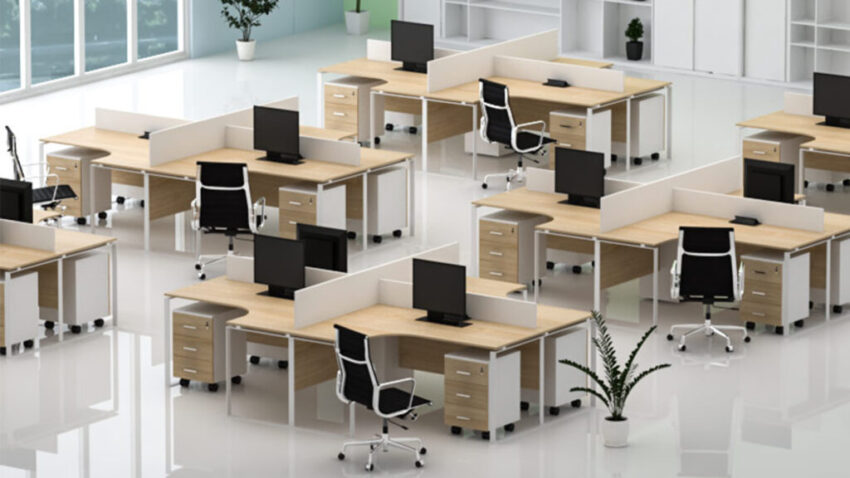
The right Office Desk Furniture can significantly influence how efficiently and comfortably people work. A well-designed desk provides sufficient workspace, supports organized workflows, and complements the overall appearance of an office. From individual workstations and executive desks to collaborative tables and compact desks for small offices, businesses can choose solutions based on their space, work style, and functional requirements.
Material selection is another important consideration, and principles discussed in MDF vs Plywood: Which Material Is Best for Your Home Furniture? can also help buyers understand the differences between commonly used furniture materials. For office applications, factors such as durability, appearance, maintenance, construction quality, and budget should be evaluated before selecting desk furniture.
Choosing the Right Office Desk
Different employees and departments may require different desk configurations. Individual desks are suitable for focused work, while larger workstation systems can support teams working in shared environments.
The ideal desk should provide enough surface area for computers, documents, accessories, and other essential equipment without making the workspace feel crowded.
Ergonomic Desk Design
Ergonomics should be considered when selecting office desks. Appropriate desk height, sufficient legroom, comfortable working positions, and compatibility with office chairs can contribute to a better working environment.
Height-adjustable desks are another option for businesses looking to provide more flexibility in working positions.
Executive Office Desks
Executive desks are generally larger and designed to create a professional appearance. They may incorporate storage drawers, cable management, side units, and additional workspace.
Premium finishes, wood textures, laminates, glass, or metal elements can be used depending on the desired office aesthetic.
Modular Workstations
Modular desk systems are useful for offices that need flexible layouts. Workstations can be configured for individual employees, teams, departments, or collaborative environments.
They can also incorporate partitions, storage units, cable management systems, and integrated accessories.
Compact Office Desks
Small offices require furniture that makes efficient use of available space. Compact desks, wall-mounted work surfaces, corner desks, and integrated storage can help businesses create functional workstations without occupying excessive floor area.
Thoughtful planning can maintain comfortable circulation while maximizing usable workspace.
Collaborative Desk Solutions
Modern workplaces often require areas where employees can communicate and work together. Collaborative desks and shared tables can support meetings, brainstorming sessions, project work, and informal discussions.
These furniture solutions can be combined with lounge seating and movable furniture to create flexible work zones.
Storage Integration
Office desks can incorporate drawers, cabinets, shelves, and mobile pedestals to keep essential documents and accessories organized.
Integrated storage reduces clutter and can help employees maintain a cleaner and more efficient workspace.
Cable Management
Modern workstations often accommodate computers, monitors, chargers, and other electronic devices. Unorganized cables can create visual clutter and affect convenience.
Desks with built-in cable trays, wire-management openings, and concealed routing systems can provide a cleaner appearance.
Material and Finish Selection
Office desks are available in numerous materials and finishes. Engineered boards, laminates, wood, metal, glass, and combinations of different materials can be selected according to the office design.
Businesses should consider durability, maintenance requirements, appearance, and expected usage when making their selection.
Matching Furniture With Office Interiors
Office desks should complement the overall interior design. A contemporary workspace may benefit from minimalist desks with clean lines, while a premium corporate office may require sophisticated executive furniture.
Consistent finishes across desks, storage units, partitions, and other furniture can create a cohesive appearance.
Custom Office Desk Furniture
Customized desk furniture is particularly useful when standard dimensions do not suit a particular office layout. Manufacturers can create desks based on available floor space, employee requirements, storage needs, and design preferences.
Customization can also help businesses maintain consistent branding across different departments or locations.
Choosing a Furniture Supplier
Before purchasing office desk furniture, businesses should evaluate:
- Furniture quality
- Material options
- Ergonomic features
- Customization capabilities
- Storage solutions
- Cable management
- Manufacturing standards
- Durability
- Installation support
- After-sales service
Conclusion
Well-planned Office Desk Furniture can create comfortable, organized, and visually appealing workspaces. From executive desks and modular workstations to compact and collaborative solutions, the right furniture should reflect the needs of employees and the overall office layout.
The considerations highlighted in MDF vs Plywood: Which Material Is Best for Your Home Furniture? also demonstrate why material selection matters when evaluating furniture. For office environments, combining suitable materials with ergonomic design, durability, storage, and efficient planning can result in furniture that supports both productivity and long-term workplace functionality.