
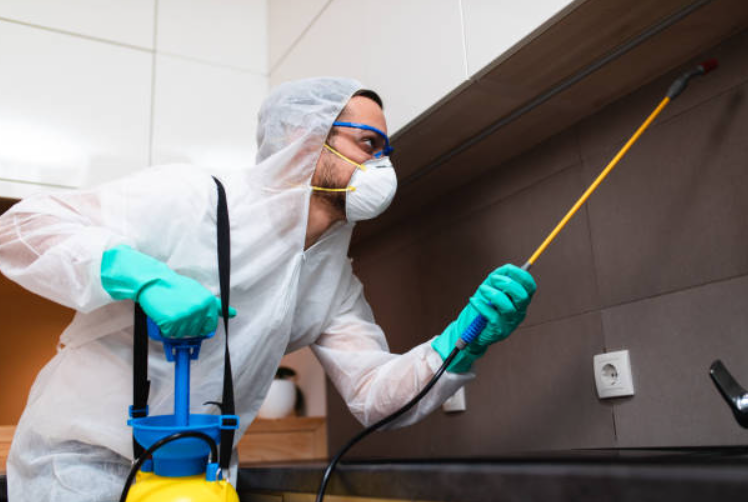
Warmer weather can make outdoor life more enjoyable, but it can also create favourable conditions for many household pests. As temperatures rise, insects and rodents may become more active while searching for food, water and suitable shelter. Open windows, outdoor entertaining areas, gardens and increased household activity can all create additional opportunities for pests to enter a property. Taking preventative measures before pest activity increases can help homeowners stay prepared. Professional pest control Perth can also support a broader prevention plan by identifying potential pest risks and addressing signs of unwanted activity.
Understand How Warm Weather Changes Pest Behaviour
Changes in temperature can influence where pests search for food and shelter. During warmer periods, many insects become more active, while rodents may move around properties looking for reliable food and water sources.
Homeowners may notice more activity around kitchens, gardens, garages, roof spaces and outdoor entertaining areas. Pests can also take advantage of doors and windows that remain open for ventilation.
Understanding these seasonal changes makes it easier to prepare a property before problems become noticeable. Rather than waiting for an infestation, homeowners can inspect common entry points and remove conditions that may encourage pests to settle nearby.
Keep Food Properly Stored
Food is one of the biggest attractions for household pests. During warmer weather, crumbs, spills and improperly stored food can quickly become accessible sources of nourishment.
Pantry items should be kept in sealed containers, particularly products such as cereal, flour, rice, pet food and snacks. Open packets can be transferred into secure containers to reduce access.
Kitchen surfaces should be cleaned regularly, and spills should be dealt with promptly. Food waste should also be placed into bins with secure lids.
Outdoor entertaining can create additional food sources. Plates, packaging and drink containers should not be left outside for long periods. Cleaning outdoor eating areas after gatherings can help reduce pest attraction.
Secure Outdoor Rubbish Areas
Warm conditions can make rubbish areas particularly attractive to pests. Food scraps and household waste can provide easy access to nourishment for rats, mice, flies and other unwanted visitors.
Outdoor bins should remain properly closed and should not be allowed to overflow. Food waste should be disposed of appropriately, while rubbish containers should be cleaned when necessary.
The area around bins should also be kept tidy. Spilled food and accumulated waste can create additional attraction, especially when bins are positioned close to doors, windows or garages.
When signs of rodent activity appear, such as droppings, gnaw marks or scratching sounds, rat control Perth may be necessary alongside improvements to rubbish storage and other preventative measures.
Maintain Your Garden Before Pest Activity Increases
Gardens can become especially active during warmer months. Dense vegetation, long grass, fallen leaves and piles of garden waste can provide shelter for insects and rodents.
Keeping lawns trimmed and shrubs maintained can make outdoor areas easier to inspect. Plants should also be kept from growing directly against walls where possible.
Tree branches that extend towards roofs should be trimmed appropriately. Overhanging branches can provide pathways for some pests to reach roof spaces.
Garden waste should be removed regularly instead of being left in piles. Old timber, unused containers and other materials should also be stored away from building walls.
Manage Spider Friendly Areas
Spiders can become more noticeable as outdoor insect activity increases. Gardens, sheds, eaves, fences and sheltered corners can provide suitable locations for webs and hiding.
Spiders are often attracted to areas where flying and crawling insects are readily available. Outdoor lights positioned close to doors can draw insects towards entry points, indirectly creating favourable conditions for spiders.
Homeowners can reduce potential harbourage by removing unnecessary clutter, maintaining gardens and regularly clearing webs from accessible areas.
Where spider activity becomes persistent around both indoor and outdoor spaces, spider pest control Perth may be considered as part of a wider strategy that addresses the conditions contributing to increased activity.
Check Doors, Windows and Flyscreens
Warmer weather often means homeowners open windows and doors more frequently. While this improves airflow, it can also provide opportunities for insects to enter.
Flyscreens should be checked for tears, loose edges and damaged frames. Door seals should also be inspected for gaps that could allow crawling pests to enter.
External doors should close securely, and gaps beneath doors should be addressed where appropriate. Window frames should be checked for cracks or spaces around the edges.
These simple maintenance measures can provide an additional barrier against insects and other unwanted visitors during periods of increased activity.
Keep Kitchens Dry
Warm weather can increase the importance of moisture management. Leaking taps, damp cupboards, condensation and plumbing problems can create conditions that attract certain pests.
Areas underneath sinks should be kept dry and checked for leaks. Plumbing problems should be repaired promptly rather than allowed to continue.
Kitchen appliances can also create hidden moisture. Areas behind refrigerators, dishwashers and washing machines should be checked periodically where accessible.
Good ventilation can help reduce excess humidity in kitchens and bathrooms. Keeping these areas dry can make the property less attractive to moisture-seeking pests.
Watch for Cockroach Activity
Cockroaches can become a concern when warm conditions combine with easy access to food, water and shelter. They can hide behind appliances, inside cupboards, around plumbing areas and in other dark spaces.
Homeowners should watch for nighttime sightings, droppings, unusual smells or signs of activity around kitchen and bathroom areas.
Regular cleaning can help reduce food sources, but attention should also be given to hidden areas. Grease behind appliances, food particles beneath cabinets and spills around bins can all provide nourishment.
Leaking taps and plumbing problems should be addressed quickly. Food should be stored securely, and household rubbish should be removed regularly.
If cockroach activity continues despite good cleaning and maintenance practices, cockroach control Perth can help address an established problem and identify areas that may need further attention.
Inspect Roof Spaces and Eaves
Roof spaces can become attractive shelter areas during changing weather conditions. Rodents, insects and other pests may enter through gaps around roof tiles, vents, eaves or damaged sections.
Homeowners may not notice activity immediately because roof spaces are often rarely accessed. Warning signs can include scratching noises, nesting materials, droppings or unusual smells.
Roof areas should be checked periodically, particularly after storms or when visible damage is noticed. Any gaps or damaged materials should be repaired appropriately.
Care should be taken when accessing roof spaces, as they may contain electrical wiring, insulation and unstable surfaces. Professional assistance may be preferable where inspection access is difficult.
Protect Timber and Structural Areas
Warmer weather is a useful reminder to check timber around the property. Outdoor structures, garden edging, fences and building materials can all require attention.
Unexplained cracks, soft timber, hollow sounds or changes to painted surfaces should not be ignored. Moisture problems around timber can also increase concerns about deterioration and pest activity.
Homeowners should avoid allowing unnecessary timber, cardboard or garden materials to accumulate against external walls. Good drainage should be maintained around the property.
Keeping timber areas accessible for inspection makes it easier to notice changes early and respond before damage becomes extensive.
Arrange Regular Termite Checks
Termites can remain hidden within soil, timber and other concealed areas, making early detection particularly important. Warm conditions can coincide with increased termite activity, although termite risks can exist throughout the year.
Homeowners should be alert to unexplained timber changes, shelter tubes, damaged wood and other potential warning signs.
Properties with timber structures, moisture problems or gardens positioned close to buildings may benefit from regular professional assessment.
A termite inspection Perth can help identify potential termite activity in areas that may not be obvious during a standard household check. Preventative inspections can also give homeowners greater awareness of conditions that may require maintenance.
Reduce Standing Water
Water that collects around a property can attract insects and contribute to damp conditions. Plant saucers, buckets, blocked drains and poorly maintained outdoor areas can all hold water after rainfall or regular watering.
Homeowners should empty unnecessary containers and ensure outdoor areas drain properly. Gutters and downpipes should also be checked for blockages that could cause water to accumulate.
Persistent drainage issues should be addressed rather than ignored. Keeping outdoor areas as dry as reasonably possible can reduce some of the conditions that encourage pest activity.
Keep Garages and Sheds Organised
Garages and sheds often contain a mixture of tools, boxes, gardening equipment and unused items. During warmer weather, these spaces can provide attractive shelter for pests if they are dark, cluttered and rarely disturbed.
Items should be organised so floors and walls remain accessible for cleaning and inspection. Cardboard boxes should be kept off damp surfaces where practical.
Old materials that are no longer required should be removed. Gaps around shed doors, windows and walls should also be checked.
An organised storage area makes it easier to spot droppings, nests, webs and other signs of pest activity.
Be Careful During Outdoor Entertaining
Outdoor meals and gatherings can create temporary food and waste sources. Leftover food, open rubbish containers and sugary drinks can attract insects and other pests.
After entertaining, food should be packed away and rubbish should be placed into suitable bins. Tables, outdoor kitchens and cooking areas should be cleaned to remove food residue.
Lighting should also be considered. Where practical, lights can be positioned away from frequently used doors to reduce the concentration of insects around entry points.
These small habits can help keep outdoor pest activity more manageable during warmer periods.
Inspect the Property After Extreme Weather
Storms, strong winds and heavy rainfall can damage parts of a property and create new pest entry points. Broken screens, damaged roofing, fallen branches and blocked drainage can all increase potential risks.
After severe weather, homeowners should inspect accessible areas around the building. Roof damage, gaps and damaged doors should be addressed promptly.
Garden debris should also be cleared rather than left against walls or fences. Moisture should be monitored, particularly around foundations and outdoor storage areas.
Regular post-weather checks can help identify maintenance issues before they become opportunities for pests.
Build Pest Prevention Into Your Routine
Pest prevention does not need to be complicated. A consistent routine involving cleaning, maintenance and regular inspections can help reduce many common pest risks.
Homeowners can check food storage, rubbish areas, gardens, doors, windows, roof spaces and outdoor structures as part of their normal property care.
Seasonal preparation is also useful. Before warmer weather becomes established, gardens can be tidied, screens repaired and storage areas organised.
It is important to remember that even well-maintained properties can experience pest activity. Surrounding vegetation, neighbouring properties and environmental conditions can all influence what happens around a home.
When Professional Pest Management Is Worth Considering
DIY maintenance can reduce potential pest attractions, but persistent activity may indicate that a deeper issue is present. Repeated sightings, droppings, property damage, nesting materials or unusual noises should not be ignored.
Professional pest management can help identify where pests are entering, what conditions may be supporting them and which areas require attention.
A comprehensive approach considers both the existing activity and the factors that allowed pests to become established. This can make preventative measures more effective over the longer term.
Keep Your Perth Property Ready for Warmer Weather
Warmer weather can bring increased pest activity, but homeowners can take practical steps to reduce the risks. Good food storage, regular cleaning, garden maintenance, moisture control, secure rubbish storage and property inspections all contribute to a less pest-friendly environment.
Paying attention to early warning signs is equally important. A small number of pests can sometimes indicate that food, water or shelter is readily available nearby. Addressing these conditions early can help prevent a minor concern from becoming a larger infestation.
Eco Safe Pest Control Perth can assist homeowners with professional pest management and preventative solutions designed around individual property needs. If you are looking for dependable pest control near Perth, contact Eco Safe Pest Control Perth on (03) 9357 7780 to discuss your concerns and arrange suitable pest management support.