
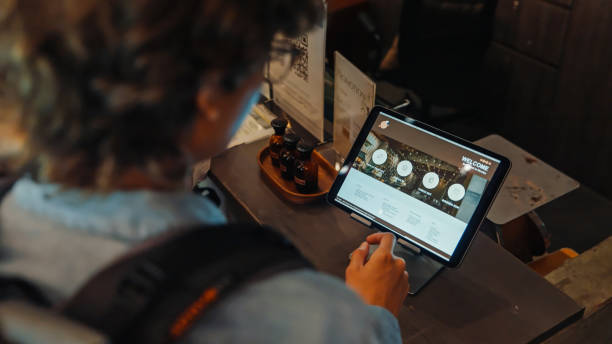
HotelKey provides modern hotel technology designed to help properties manage their everyday operations more efficiently. Reliable Front Desk Software can bring reservations, guest management, room status, check-ins, check-outs, and front desk activities together within a centralized platform. Alongside front desk operations, an effective POS solution can help hotels manage transactions and connect sales activities with broader property operations.
Independent hotels, boutique properties, and other lodging businesses often need flexible technology that can simplify daily tasks without creating unnecessary complexity. HotelKey helps properties create a more connected operational environment where hotel teams can manage important front desk and point-of-sale activities through integrated technology.
1. What Is Front Desk Software?
Front Desk Software is a hotel technology solution that helps staff manage the activities handled at the front desk. The front desk plays an important role in hotel operations because employees manage guest arrivals, departures, reservations, room assignments, guest information, and many other activities.
A centralized Front Desk Software solution can support tasks such as:
-
Managing reservations
-
Handling guest check-ins
-
Processing check-outs
-
Tracking room availability
-
Managing guest information
-
Monitoring room status
-
Supporting front desk workflows
-
Organizing hotel transactions
Instead of relying on multiple manual processes, hotel employees can use a centralized system to access important operational information and manage daily activities more efficiently.
2. Why Hotels Need Reliable Front Desk Software
The front desk is often one of the busiest areas of a hotel. Employees may need to manage reservations, answer guest questions, assign rooms, process payments, and coordinate with other departments during the same shift.
Reliable front desk technology can help organize these responsibilities by keeping important information available within one operational environment.
Some potential advantages include:
-
Reduced manual administrative work
-
Better access to reservation information
-
More organized guest management
-
Improved room visibility
-
Easier check-in and check-out workflows
-
Better coordination with hotel departments
-
Improved operational efficiency
For properties with limited staff, organized front desk technology can help employees spend less time managing repetitive administrative processes and more time assisting guests.
3. Reservation Management Through Front Desk Software
Reservations are central to hotel operations. Front desk employees need accurate information about bookings, guest details, room types, stay dates, and availability.
A Front Desk Software solution can help employees access and manage reservation information from a centralized environment.
Key activities may include:
-
Viewing reservation details
-
Managing guest bookings
-
Checking arrival information
-
Reviewing departure details
-
Monitoring room availability
-
Supporting room assignment
-
Accessing reservation information at the front desk
Having organized reservation information can help employees prepare for guest arrivals and manage changes more efficiently.
For independent properties, centralized reservation management can also help reduce confusion when multiple employees are handling front desk responsibilities.
4. Streamlined Check-In and Check-Out
Check-in and check-out are important stages of the guest journey. Guests generally expect these processes to be organized and convenient.
Front Desk Software can help hotel employees access reservation and guest information while managing arrival and departure workflows.
A centralized system can help staff:
-
Locate guest reservations
-
Review booking details
-
Assign rooms
-
Manage guest arrivals
-
Process check-outs
-
Review account information
-
Support payment-related activities
A more organized workflow can reduce unnecessary delays and help front desk employees provide faster assistance to guests.
5. Understanding POS in Hospitality
A POS, or Point of Sale system, is used to manage sales and transactions for products and services offered by a hotel. POS technology is particularly useful for hotel restaurants, bars, cafés, room service, and other revenue-generating outlets.
A hospitality POS solution can help employees record sales, organize orders, calculate charges, and manage transactions.
A hotel POS system can support activities such as:
-
Recording customer orders
-
Managing outlet transactions
-
Organizing sales information
-
Processing payments
-
Managing restaurant transactions
-
Supporting room-service charges
-
Maintaining transaction records
When POS operations are connected with hotel management activities, properties can create a more organized environment for managing both guest stays and additional purchases.
6. Benefits of POS for Hotels
Hotels may manage transactions across multiple departments and outlets. Restaurant purchases, room service, café sales, and other services can create additional operational activity.
A centralized POS solution can help simplify these processes.
Some potential benefits include:
-
More organized sales information
-
Reduced manual transaction entry
-
Easier order management
-
Improved payment workflows
-
Better transaction visibility
-
More consistent billing processes
-
Easier coordination between hotel operations and outlets
For properties with multiple revenue-generating areas, POS technology can provide a structured way to manage sales activities while maintaining better operational visibility.
7. Connecting Front Desk Software and POS
One of the important advantages of modern hotel technology is the ability to connect different operational activities.
Front Desk Software focuses on guest and property operations, while POS technology manages transactions related to hotel outlets and services. When these functions work together, hotel employees can have better visibility into the guest’s overall stay.
Connected workflows can help associate:
-
Guest information
-
Reservation details
-
Room information
-
Stay dates
-
Front desk transactions
-
Restaurant purchases
-
Room-service charges
-
Payment-related activity
This can reduce the need to repeatedly enter or verify the same information across disconnected systems.
8. Improving the Guest Experience
Hotel technology should not only support employees. It should also contribute to a smoother experience for guests.
Guests interact with hotel staff during reservations, check-in, dining, room service, payment, and check-out. When these processes are organized, employees can respond to guest needs more efficiently.
Front Desk Software and POS technology can support:
-
Smoother check-in
-
Faster access to reservation details
-
Organized guest account management
-
Efficient transaction handling
-
Easier room-service billing
-
More convenient check-out
-
Consistent guest service
When staff have access to relevant information through a centralized environment, they can spend more time focusing on hospitality rather than searching through separate records.
9. Managing Hotel Room Status
Room status is closely connected with front desk operations. Employees need accurate information to determine whether rooms are available, occupied, reserved, or ready for assignment.
Front Desk Software can help provide centralized visibility into room-related information.
This can help hotel teams:
-
Monitor room status
-
Support room assignments
-
Coordinate with housekeeping
-
Improve communication
-
Prepare rooms for arriving guests
-
Reduce unnecessary delays
Better room visibility can make it easier for front desk employees to coordinate daily activities and respond to changing operational requirements.
10. Centralized Guest Information
Guest information is another important part of hotel operations. Front desk employees may need to access reservation details, stay information, and account-related information while assisting guests.
A centralized Front Desk Software solution can organize relevant guest information and make it accessible to authorized employees when needed.
This can help reduce repetitive administrative work and provide employees with better visibility throughout the guest journey.
Organized information can also support more consistent service during different stages of a guest’s stay.
11. Managing Restaurant and Outlet Transactions
Food and beverage operations are an important part of many hotels. Restaurants, cafés, bars, and room service departments need efficient ways to manage orders and transactions.
A POS system can help employees record orders and organize sales activity.
Hotel POS operations may support:
-
Restaurant order management
-
Café transactions
-
Bar sales
-
Room-service orders
-
Guest account charges
-
Payment processing
-
Transaction records
When these activities are organized within a connected hotel technology environment, employees can manage outlet transactions more efficiently while supporting the broader guest experience.
12. Reporting and Operational Visibility
Hotel managers need access to useful operational information to understand how their property is performing. Front desk and POS activities can generate valuable information about reservations, guest activity, rooms, transactions, and sales.
Depending on the system and configuration, hotel reporting may cover areas such as:
-
Reservation activity
-
Room information
-
Guest stays
-
Front desk operations
-
POS transactions
-
Sales activity
-
Payment-related information
-
Operational performance
Keeping this information organized within a centralized technology environment can help management teams review hotel activities and make better operational decisions.
13. Improving Staff Productivity
Hotel employees often handle several responsibilities during a shift. Managing information across separate systems can require additional time and repetitive data entry.
Centralized Front Desk Software and POS technology can help organize daily workflows.
Staff can benefit from:
-
Centralized operational information
-
Easier access to reservations
-
Organized guest details
-
Streamlined transaction management
-
Reduced repetitive tasks
-
Better communication between departments
-
Improved visibility into hotel activities
By reducing unnecessary administrative work, technology can help employees focus more effectively on guest service and other important responsibilities.
14. Flexible Technology for Modern Hotels
Every hotel has its own operational structure and requirements. An independent hotel, boutique property, or larger lodging business may have different workflows and transaction needs.
For this reason, flexibility is an important consideration when selecting hotel technology.
HotelKey provides technology designed to support hotel operations through a centralized environment. Properties can use hotel management technology to organize front desk activities, guest information, room operations, reservations, and POS-related processes.
A flexible platform can help hotels adapt their technology environment to their operational requirements as their business develops.
15. Why Choose HotelKey for Front Desk Software and POS?
Choosing the right hotel technology is an important decision for property owners and operators. The solution should help employees manage everyday operations while supporting a consistent experience for guests.
HotelKey offers technology that can help properties manage important hotel activities through a connected platform.
Businesses looking for Front Desk Software can benefit from technology supporting areas such as:
-
Reservations
-
Guest management
-
Check-ins and check-outs
-
Room management
-
Front desk operations
-
Guest information
-
Operational reporting
Similarly, businesses looking for POS technology can consider how transaction and sales-related workflows can work alongside broader property management operations.
Connecting these functions can help hotels create a more organized operational environment.
16. Supporting the Future of Hotel Operations
The hospitality industry continues to become increasingly technology-driven. Hotels need systems that can help employees manage daily responsibilities while providing guests with efficient and convenient service.
Front Desk Software can provide the foundation for managing guest-facing property operations, while POS technology can support transactions across restaurants, room service, cafés, bars, and other hotel outlets.
Together, these capabilities can help properties create a more connected approach to hotel management.
HotelKey’s technology can support properties as they work to improve operational efficiency, organize information, manage transactions, and deliver a better experience for both staff and guests.
Conclusion
Reliable Front Desk Software can help hotels manage reservations, check-ins, check-outs, room information, guest details, and daily front desk activities through a centralized environment. For independent hotels and other properties, this can simplify workflows and improve operational visibility.
At the same time, a POS system can help hotels organize restaurant, room-service, café, bar, and other transaction-related activities. When POS and front desk operations work together, hotel teams can benefit from a more connected approach to managing guest stays and additional services.
HotelKey provides modern hotel technology designed to help properties manage their operations more effectively. Whether a property needs better reservation management, streamlined front desk operations, organized guest information, room visibility, or efficient POS workflows, an integrated technology approach can help create a smoother experience for employees and guests. For more, visit us!