
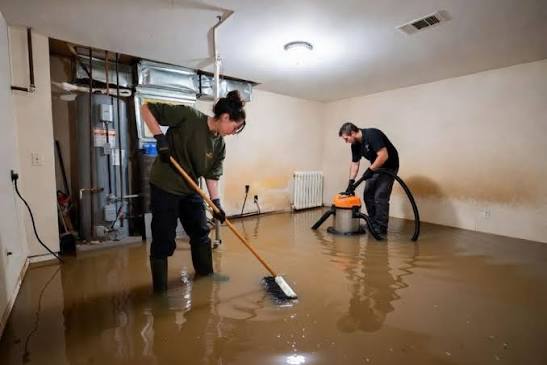
A flooded basement turns into a nightmare fast. Water soaks your flooring, walls, furniture, appliances, and everything stored down there. Let it sit, and you’re dealing with mold, nasty odors, and damage that spreads where you can’t see it.
Basement flood cleanup needs to start the moment it’s safe to enter. Find the source. Avoid electrical hazards. Remove standing water. Dry everything properly. Move fast, and you’ll limit the damage while making recovery a whole lot easier.
Find Where the Water Came From
Before touching anything, figure out the source. Heavy rain? Foundation leak? Broken pipe? Failed sump pump? Sewer backup? Each one needs a different fix.
Stop the source first — otherwise you’re bailing water into a sinking ship. Plumbing problem? Shut off the water supply if you can do it safely. Outside water overwhelming your drains? Check gutters and drainage systems for blockages.
Stay Away From Electrical Hazards
This part isn’t negotiable. Never enter standing water if outlets, appliances, cords, or electrical panels might be submerged.
Water and electricity kill people. Don’t turn equipment on or off while standing in water. Period.
Suspect an electrical hazard? Call a qualified professional before entering. Safety comes before cleanup. Always.
Remove Standing Water Fast
Standing water keeps damaging your basement even after the leak stops. It soaks into drywall, wood, carpet, insulation — everything porous.
Small amount of clean water? A wet vacuum might handle it. Larger flood? You need professional pumps and extraction equipment.
Honestly, this is where basement flood cleanup pays for itself. Pros remove large volumes quickly, which cuts down the time your materials stay saturated. Every hour matters.
Move Items Away From Wet Areas
Area safe? Source stopped? Now move undamaged belongings to dry ground. Separate wet items from dry ones.
Furniture, cardboard boxes, clothing, books — they absorb water fast. Some items survive if you clean and dry them promptly. Others are goners.
Take photos before throwing anything away. You’ll need those records for insurance.
Dry the Basement Completely
Visible water gone doesn’t mean dry. Moisture hides inside walls, floors, insulation, and materials that look perfectly normal.
Air movers boost airflow. Dehumidifiers pull moisture from the air. Pros use moisture meters to find trapped water in areas that seem dry.
Don’t assume the floor looking normal means the job’s done. Hidden moisture causes mold and structural damage weeks later. I’ve seen it happen more times than I can count.
Check Walls and Flooring for Damage
Floodwater weakens drywall, destroys flooring, and warps wooden structures. The water type matters too — clean supply-line water is different from sewage or contaminated runoff.
Carpet and padding hold massive moisture. Drywall absorbs water from the bottom up. Wood swells and changes shape after prolonged exposure.
A professional inspection tells you what can be saved and what needs removal. Guessing wrong costs you money later.
Watch for Mold Growth
Mold loves a damp basement. Give it moisture and 24 to 48 hours, and it’s growing.
You might smell something musty. You might see spots. Or you might see nothing while mold spreads behind walls.
Proper drying is your best defense during basement flood cleanup. Already have mold? Affected materials need specialized cleaning or complete removal.
Clean the Basement Properly
Not all floodwater is equal. Clean supply-line water? Basic cleaning works. Sewer backup or contaminated runoff? That stuff carries bacteria and harmful substances.
Don’t handle contaminated water casually. Professional cleaning and disinfection protect your health.
A restoration team assesses the water source and determines the right approach for each material.
Document Everything for Insurance
Take clear photos and videos before major cleanup. Damaged walls, flooring, furniture, appliances, belongings — all of it. Make a list of damaged items with receipts for emergency services and temporary repairs.
Call your insurance company as soon as possible. Ask what documentation they need and follow their instructions exactly.
Good records make claims smoother. Bad records make them painful.
Prevent the Next Flood
Cleanup done? Good. Now make sure it doesn’t happen again.
Clean gutters and downspouts regularly. Direct water away from your foundation. Have your sump pump inspected — add a backup pump if flooding is a pattern. Check plumbing for leaks and inspect basement walls for cracks.
Small fixes now prevent massive damage later. Trust me on this one.
When to Call a Professional
Some floods are too big or too dangerous for DIY. Call a pro if you have extensive standing water, contaminated water, structural damage, sewage backup, or moisture that won’t go away.
Professional basement flood cleanup teams have equipment designed for extraction and drying. They find hidden moisture and determine what needs cleaning versus replacement.
Getting help early prevents secondary damage and gets your basement back to normal faster.
FAQ
How long does basement flood cleanup take?
Small, clean floods might dry in 2–3 days. Larger or contaminated floods take a week or more, especially with professional drying equipment running.
Can I do basement flood cleanup myself?
Minor clean-water leaks, sure. But sewage, deep water, or moisture inside walls needs professional gear and training. Don’t gamble with your health.
Will insurance cover basement flood cleanup?
Depends on the water source and your policy. Sudden pipe bursts usually qualify. Groundwater seepage and sewer backup often need separate coverage. Check with your insurer immediately.
Final Thoughts
A flooded basement demands quick, careful action. Stop the source when possible. Stay clear of electrical hazards. Remove standing water. Dry everything thoroughly — including what you can’t see. Basement flood cleanup means checking damaged materials, watching for mold, cleaning properly, and documenting everything. Act fast, and you’ll protect your home from long-term moisture problems that cost way more than the initial cleanup.