
Introduction
Mental health care has changed more in the last few years than it did in the previous few decades. A growing number of people are turning to a virtual psychiatrist instead of driving across town, sitting in a crowded waiting room, or waiting weeks for an in-person appointment. This shift is not just about convenience; it reflects a real change in how patients think about safety, privacy, and access to care.
For many people, reaching out for psychiatric help has always felt like a difficult first step. Add long wait times, transportation issues, or the discomfort of being seen at a clinic, and that first step becomes even harder. Online psychiatric care removes several of these barriers at once. Patients can speak with a licensed professional from their bedroom, their car during a lunch break, or a quiet corner of their home, without sacrificing the quality or safety of the consultation.
This article looks at why virtual psychiatry has become such a trusted option, what makes it safe and reliable, and how patients can get the most out of an online mental health consultation.
It also matters that this shift has not happened by accident. Healthcare systems, insurance providers, and regulators have spent years building the infrastructure needed to support remote psychiatric care responsibly. What started as a temporary workaround during periods of limited in-person access has turned into a permanent, well tested model of treatment that many patients now prefer over the traditional office visit. Understanding how this system works, and why it holds up so well under scrutiny, can help anyone considering this option feel more confident about taking that first step.
The Rise of Virtual Psychiatry: What Changed and Why It Matters
Telehealth existed long before it became mainstream, but psychiatric care in particular saw a major shift once patients and providers realized that meaningful psychiatric evaluation and treatment could happen through a secure video call. Unlike some medical specialties that rely heavily on physical examination, psychiatry is largely built on conversation, observation, and history taking. This makes it especially well suited to a virtual format.
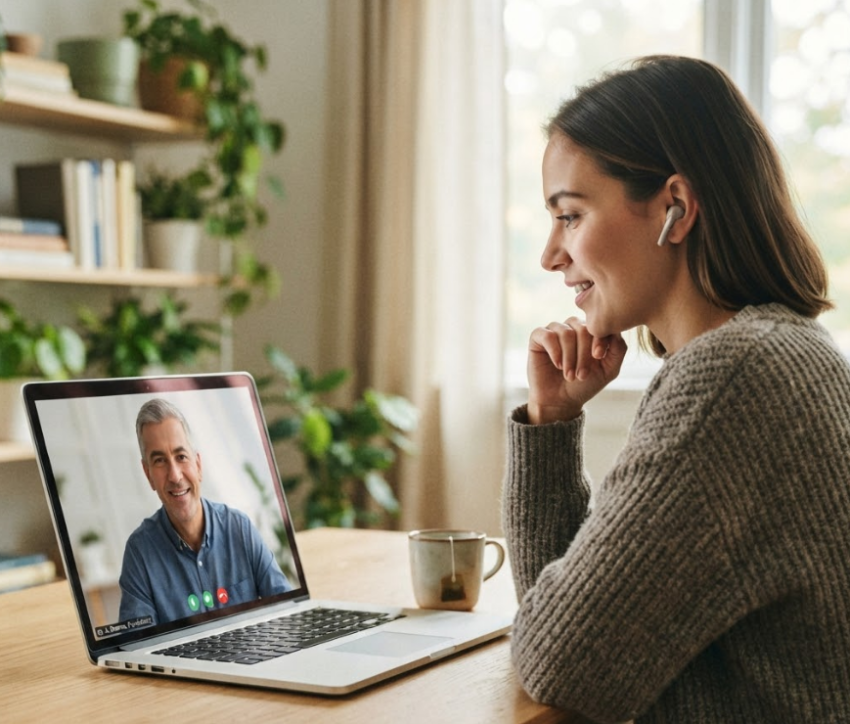
A virtual psychiatrist can conduct a full clinical interview, assess mood, thought patterns, and behavior, and prescribe medication when appropriate, all without the patient ever leaving home. Video consultations allow the psychiatrist to observe body language, tone of voice, and facial expressions, which are important parts of a mental health assessment. This is very different from a phone call or a text based service; it preserves much of what makes in-person psychiatric care effective.
Several factors have pushed this model forward:
- Increased demand for mental health services, often outpacing the number of available specialists in a given area
- Wider insurance coverage for telepsychiatry visits
- Improvements in secure video platforms designed specifically for healthcare
- A cultural shift toward accepting therapy and psychiatric care as a normal part of overall wellness
As a result, patients in rural areas, busy professionals, parents with young children, and people with mobility limitations now have realistic access to psychiatric expertise that may have been out of reach before.
There is also a generational element to this shift. Younger patients, who grew up communicating through screens and are comfortable with video based interactions, often find a virtual psychiatrist appointment more natural than an in-person one. At the same time, older patients who may have limited mobility or lack reliable transportation have found that video visits open a door that was previously closed to them. This wide appeal across age groups is part of why the model has grown so quickly rather than remaining a niche option.
Employers and insurers have taken notice as well. Many workplace wellness programs now include access to virtual mental health providers as a standard benefit, recognizing that untreated psychiatric conditions affect productivity, attendance, and overall quality of life. This kind of institutional support has helped normalize virtual psychiatry even further, turning it from an alternative option into a mainstream first choice for many patients.
Safety and Reliability: How Virtual Psychiatric Care Actually Works
One of the biggest questions patients have before their first online visit is whether a virtual psychiatrist can really offer the same level of safety as an in-person doctor. The short answer is yes, when the service is run properly.
Licensed and vetted providers
Reputable online psychiatric platforms only work with psychiatrists who are fully licensed in the state or country where the patient is located. This is not optional; it is a legal requirement in most regions. Before a session even begins, the provider verifies credentials, confirms board certification where applicable, and ensures the psychiatrist has the training needed to diagnose and treat a wide range of mental health conditions.
Secure and private technology
Safety in a virtual consultation is not only clinical; it is also technical. Trustworthy platforms use encrypted video calls and secure messaging systems that comply with healthcare privacy regulations. This means conversations, medical records, and prescription details stay protected, similar to the confidentiality expected in a traditional clinic.
Thorough intake and assessment
A quality virtual psychiatrist consultation still includes a detailed intake process. Patients are asked about their medical history, current symptoms, family history of mental illness, and any medications they are taking. This information allows the psychiatrist to make an informed, accurate assessment rather than a rushed guess based on limited information.
Emergency protocols
Reliable telepsychiatry services also have clear protocols for handling urgent situations. If a patient shows signs of crisis during a session, the psychiatrist is trained to respond appropriately, which may include connecting the patient with local emergency resources or a higher level of care. This safety net is a core part of what makes virtual psychiatric care dependable rather than risky.
Ongoing monitoring
For patients who are prescribed medication, follow up appointments are scheduled to monitor how they are responding to treatment. Side effects, dosage adjustments, and progress toward treatment goals are tracked over time, just as they would be in a traditional office setting.
Coordination with other providers
A responsible virtual psychiatrist will also communicate with a patient’s primary care doctor or existing therapist when appropriate, with the patient’s consent. This kind of coordination ensures that psychiatric treatment does not happen in isolation from the rest of a patient’s healthcare, which is especially important when multiple medications or conditions are involved.
Clear documentation and record keeping
Every session, diagnosis, and prescription is documented in the same way it would be at a physical clinic. Patients typically gain access to a secure portal where they can review visit summaries, medication instructions, and upcoming appointment details. This transparency helps patients stay informed and engaged in their own care, rather than leaving them guessing about what was discussed or decided during a session.
Key Benefits Patients Are Experiencing
The reasons patients give for choosing virtual psychiatric care tend to fall into a few clear categories.
Easier access to specialists
Not every city has a large pool of psychiatrists, and some subspecialties, such as child and adolescent psychiatry or geriatric psychiatry, are even harder to find locally. A virtual psychiatrist expands the pool of available providers, so patients are not limited to whoever happens to practice nearby.
Reduced wait times
In many regions, the wait for a first psychiatric appointment can stretch into months. Online platforms often have more flexible scheduling, sometimes offering same week or even next day appointments, which matters a great deal when someone is struggling and needs support quickly.
Comfort and reduced stigma
Speaking with a psychiatrist from a familiar, private setting can lower the anxiety that often comes with a first mental health visit. Patients frequently report feeling more relaxed and more willing to open up when they are in their own space rather than an unfamiliar clinical environment.
Consistency of care
For people who travel often, move between cities, or have unpredictable schedules, virtual psychiatry offers continuity that in-person care sometimes cannot. Patients can keep the same provider even if their location changes, which supports a stronger, more consistent treatment relationship over time.
Lower overall cost and time investment
There is no commute, no time off work spent sitting in a waiting room, and often lower administrative overhead for the provider, which can translate into more competitive pricing for patients. When time and money add up over the course of ongoing treatment, these savings become significant.
Family involvement made simpler
For adolescents or older adults who may need a family member present during appointments, virtual visits make it far easier to include a parent, spouse, or caregiver in the conversation without complicated scheduling around multiple people’s availability.
What to Look for When Choosing a Virtual Psychiatrist
Not all online psychiatric services are built to the same standard, so patients should know what separates a trustworthy provider from one that cuts corners.
- Confirm the psychiatrist is licensed in your state or country of residence
- Look for platforms that use encrypted, HIPAA compliant or equivalent secure technology
- Check whether the service offers a genuine intake process rather than a quick, surface level questionnaire
- Ask about how prescriptions are handled, including which medications can and cannot be prescribed virtually in your region
- Review how the platform handles emergencies or crisis situations
- Read patient reviews or ask for referrals to get a sense of real world experiences
Taking a few minutes to check these details before booking a first appointment can make a meaningful difference in the quality of care received.
It is also worth asking how the platform handles ongoing support between appointments. Some services include secure messaging so patients can reach their provider with quick questions about medication or side effects, rather than waiting until the next scheduled visit. Others offer care coordinators who help patients navigate insurance, refills, or referrals to additional support such as therapy. These extra layers of service are not strictly necessary for safe care, but they often distinguish a truly patient centered platform from one that is simply offering the minimum required to operate.
Conclusion
The rise of virtual psychiatry reflects a broader shift in how people approach their mental health: with less stigma, more urgency, and a stronger expectation that care should be both accessible and trustworthy. A well run virtual psychiatrist service does not compromise on safety or clinical quality; it simply removes the unnecessary friction that has kept many people from getting help sooner.
Whether someone is managing anxiety, depression, ADHD, or another mental health condition, online psychiatric consultations offer a path to professional support that fits into real life rather than disrupting it. For patients weighing their options, the combination of licensed providers, secure technology, and flexible scheduling makes virtual psychiatry a genuinely reliable choice, not just a convenient one.