
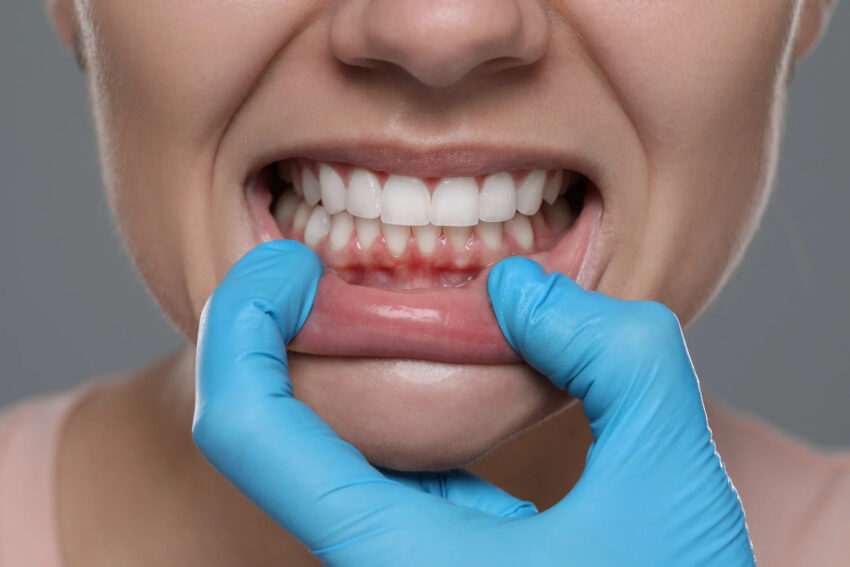
Spit a little pink into the sink while brushing and most people shrug it off as pressing too hard. It happens once, then again the following week, and after a while it stops feeling unusual. In Hadapsar, where daily routine for a large part of the population now revolves around office hours at nearby IT parks rather than the factory shifts the area was once known for, this small warning sign gets buried under back-to-back meetings. By the time gums start receding or a tooth feels slightly loose, gum treatment in hadapsar is no longer a preventive step but a necessary one.
Hadapsar’s Shift From Factory Floors to Office Cubicles
Older residents of Hadapsar remember a different neighbourhood, built around manufacturing units and a working population with fixed shift timings and home-cooked meals. Today, the same area houses a younger, desk-bound crowd that eats at office cafeterias, drinks multiple cups of tea or coffee through the day, and often skips the evening brushing routine after a long commute home. None of this seems harmful in isolation, but plaque does not care about intentions. It builds up along the gum line regardless of how busy someone’s calendar looks, and over months this is the kind of pattern that eventually calls for Periodontal Treatment in Hadapsar.
How Gum Disease Actually Builds Up?
Gum disease rarely starts with pain, which is part of why it goes unnoticed for so long. It begins quietly as gingivitis, a mild inflammation caused by plaque sitting along the gum line for too long. At this stage, gums may look slightly red or swollen and bleed a little during brushing, but there is usually no discomfort. Left untreated, this inflammation moves deeper and starts affecting the bone and tissue holding the teeth in place, which is when it becomes periodontitis. Reversing gingivitis is straightforward with proper cleaning, but once it progresses, the Best Gum Treatment in Hadapsar typically involves deeper cleaning to stop the damage from spreading. A dentist evaluating gum health will usually check pocket depth around each tooth before recommending the right level of Gum Disease Treatment for the stage it has reached.
Recognising the Early Warning Signs
Signs to Watch For
- Gums that bleed during brushing or flossing, even mildly
- Persistent bad breath that doesn’t go away after brushing
- Gums that appear to be pulling away from the teeth
- Teeth that feel slightly loose or shifted compared to before
- A change in how the bite feels when chewing
Catching even one of these early usually means simpler, faster Gum Care Treatment. Many people wait for pain to show up before seeking help, not realising gum disease can progress significantly without ever hurting. Once bacteria settle deeper below the gum line and pockets form, the condition tends to worsen faster, and at that stage Gum Infection Treatment becomes more involved than it would have been with an earlier visit.
What Treatment Usually Involves?
Treatment depends on how far the condition has progressed. Early gum inflammation often responds well to a thorough professional cleaning combined with better daily habits at home. More advanced cases may need scaling below the gum line to remove buildup a regular toothbrush cannot reach, sometimes done in stages over a couple of visits. A Gum Treatment Dentist will typically explain which stage the condition is at before deciding on the approach, rather than jumping straight to more involved procedures. For anyone dealing with recurring gum issues, consulting the best dentist in hadapsar early on tends to prevent long-term bone loss that becomes harder to reverse later.
Choosing Someone You Can Rely On Long Term
Gum health is not something fixed in a single visit and then forgotten. It needs monitoring over months, sometimes years, especially for anyone who has already had early gum disease once. This is why continuity with an Experienced Dentist in Hadapsar matters more here than it might for a one-time filling.
What to Look for in a Clinic?
- Whether pocket depth measurements are recorded and tracked over visits
- How clearly the stage of gum disease and treatment steps are explained
- Whether home-care guidance is specific rather than generic
- Follow-up scheduling to monitor progress after deep cleaning
A Trusted Dentist in Hadapsar will usually be upfront about how many sittings a case might need instead of underselling the effort involved. Since gum disease can also be tied to factors like smoking, uncontrolled blood sugar, or certain medications, a Professional Dentist in Hadapsar will often ask about general health history before finalising a plan. For deeper cases that don’t respond to standard cleaning, some situations call for a referral to a Dental Specialist in Hadapsar who focuses specifically on gum and bone-related treatments.
Frequently Asked Questions
Is bleeding while brushing always a sign of gum disease?
Occasional light bleeding, especially after switching brushes or flossing after a gap, isn’t always serious. But if it happens regularly over a couple of weeks, it’s worth getting checked rather than assuming it will resolve on its own.
Can gum disease be reversed completely?
Early-stage gingivitis can usually be reversed with proper cleaning and better home care. Once it progresses to affect the bone, the goal shifts to stopping further damage rather than full reversal.
Does gum treatment hurt?
Most procedures use local anaesthesia when needed, and any soreness afterward is usually mild and temporary, similar to what follows a regular deep cleaning.
How often should gums be checked professionally?
A check-up every six months is generally recommended, though anyone with a history of gum disease may need more frequent monitoring.
Can stress affect gum health?
Yes, indirectly. Stress can lead to teeth grinding, weakened immunity, and neglected oral hygiene, all of which can make existing gum issues worse.
Are receding gums permanent?
Gum tissue that has already receded typically does not grow back on its own, but treatment can stop further recession and protect the exposed root surface.
Is gum disease connected to overall health?
Research has linked poor gum health to conditions like diabetes and heart disease, though the exact relationship varies and needs individual evaluation.
Conclusion
Gum problems rarely announce themselves loudly, which is what makes them easy to ignore in a place like Hadapsar, where most days are packed between commutes and deadlines. A little bleeding or persistent bad breath is worth attention before it turns into something that takes months to manage. Getting it checked early usually means a simpler fix and one less thing to worry about later.
Source: writeupcafe.com