
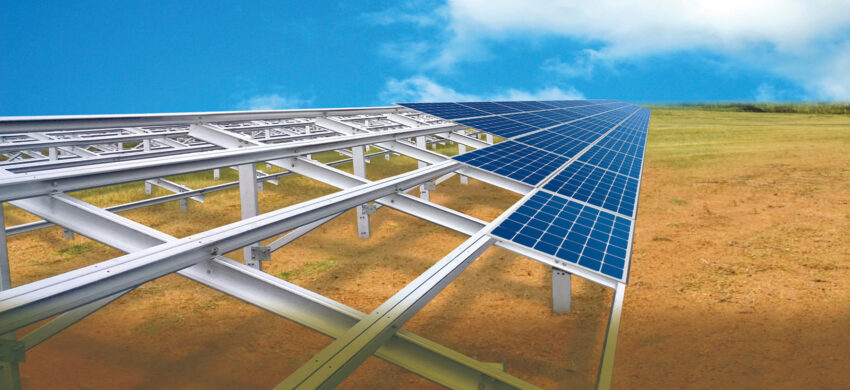
The rapid expansion of clean energy in Gujarat has made solar power one of the most reliable investments for residential, commercial, and industrial properties. Songadh and its surrounding regions in Tapi district are seeing a surge in solar installations across industrial parks, agricultural lands, and residential rooftops. However, the performance and longevity of any solar power system depend heavily on the foundation holding the panels in place: the solar mounting structure.
Finding a dependable Solar Mounting Structure Supplier Songadh project developers can trust is crucial for ensuring structural integrity, wind load resistance, and maximum power yield. Whether you are setting up a large-scale ground-mounted plant or a compact rooftop array, this buyer’s guide covers everything you need to know about choosing the right mounting structures and supplier.
Why the Right Solar Mounting Structure Matters
Solar panels are built to generate clean electricity for 25 years or more. However, PV modules can only perform effectively if they remain secure, properly tilted, and elevated above potential hazards. A high-quality solar mounting system provides essential benefits:
-
Structural Stability: Engineered to withstand heavy wind speeds up to 150-180 km/h, intense monsoon rains, and seismic activity typical of western India.
-
Optimized Energy Capture: Precision-angled racking ensures solar panels receive maximum sunlight exposure throughout the day and across changing seasons.
-
Corrosion Resistance: High-grade Hot-Dip Galvanized Iron (HDGI), Mild Steel (MS), and Anodized Aluminum prevent rust and structural degradation over decades.
-
Ease of Maintenance: Well-designed mounting systems provide sufficient clearance for thermal ventilation, cleaning, and routine electrical inspection.
Selecting an experienced Solar Mounting Structure Supplier Songadh ensures that your solar infrastructure is built to last, preventing costly structural failures and downtime.
Key Types of Solar Mounting Structures
Different properties demand different engineering approaches. Depending on your installation site, a reliable supplier will offer several specialized mounting configurations:
1. Rooftop Mounting Structures
Rooftop solar setups are the primary choice for residential homes, commercial offices, and industrial warehouses in Songadh.
-
RCC Roof-Mounted Systems: Designed for flat concrete roofs using elevated 1P (single-panel portait) or 2P (double-panel portrait) configurations. These use ballast blocks or anchor bolts to secure structures without compromising roof waterproofing.
-
Metal / Tin Roof Structures: Engineered specifically for industrial sheds and warehouses. Aluminum rails and specialized clamps allow panels to mount directly onto trapezoidal or standing seam roofs without penetration issues.
2. Ground-Mounted Solar Systems
For large agricultural fields, open land, and utility-scale projects, ground-mounted structures offer superior scalability and tilt adjustment options.
-
Single-Pole and Dual-Pole Structures: Heavy-duty post designs that require minimal ground excavation while offering robust support for high-capacity panel setups.
-
Seasonal Adjustable Tilt Structures: Manual or mechanical tilting mechanisms allowing operators to adjust panel angles (e.g., 5° to 35°) based on the sun’s position across summer and winter, boosting annual yield by 5% to 10%.
3. Special Application Structures
Modern solar installations often require specialized racking systems to maximize space efficiency:
-
Solar Pump Structures: Compact C-channel frames engineered for agricultural water pumping applications.
-
Solar Carports: Dual-purpose structures that provide shaded vehicle parking while generating renewable power overhead.
-
PEB and Cable Trays: Integrated support systems designed for smooth cable management and pre-engineered building integration.
Essential Materials and Technical Specifications to Look For
When evaluating products from a Solar Mounting Structure Supplier Songadh, pay close attention to material quality and structural certifications.
| Parameter | Recommended Standard | Why It Matters |
| Primary Material | HDGI, Galvanized Iron, Aluminum, or Mild Steel | Determines load capacity and overall lifetime |
| Coating Thickness | 80 to 550 GSM Zinc Coating | Prevents rust and corrosion in humid climates |
| Profile Thickness | 1.2 mm to 5.0 mm (Customizable) | Ensures resistance to heavy wind loads |
| Design Type | Slotted C-Channel, Purlin, Cold Roll Formed | Enhances structural strength while streamlining assembly |
| Wind Resistance | Rated up to 150 – 180 km/h | Guarantees safety during monsoon storms |
High-performing mounting structures utilize pre-punched C-channel profiles and standardized hardware to make field assembly faster, reducing site labor costs significantly.
How to Choose the Right Mounting Structure Supplier in Songadh
Partnering with the right supplier involves looking beyond initial prices. Consider these criteria when selecting a supplier for your upcoming project:
1. Manufacturing Standards & Customization
Every installation site presents unique topography, roof slope, and wind patterns. Look for suppliers offering customizable structural thicknesses, degree adjustments, and tailor-made purlin designs rather than generic, one-size-fits-all frames.
2. Turnaround Time and Local Logistics
Proximity matters when managing project timelines. Choosing a supplier with distribution networks near Tapi and South Gujarat ensures faster material delivery, reduced transit damage, and prompt technical support during site execution.
3. Quality Assurance and Testing
Ensure your supplier complies with relevant Bureau of Indian Standards (BIS) and International Electrotechnical Commission (IEC) guidelines. High quality-control standards ensure every batch of galvanized iron and fasteners performs reliably under harsh environmental conditions.
4. Transparent Pricing
Work with suppliers providing clear, competitive pricing structures—whether quoted per watt, per kilowatt, or per kilogram of raw material.
Solstr Engineering Excellence
For businesses and EPC contractors searching for dependable solar hardware, Solstr stands out as a leading innovator in high-durability mounting systems. Engineering products designed specifically for the Indian climate, Solstr provides customizable RCC rooftop mounts, heavy-duty ground structures, seasonal tilt systems, and slotted profiles built for long-term endurance.
By combining precision cold-roll forming with superior corrosion-resistant coatings, Solstr products deliver the structural reliability required for both small residential setups and large-scale commercial installations. Choosing engineered racking solutions from Solstr ensures your solar modules remain firmly anchored, safe, and productive for years to come.
Frequently Asked Questions (FAQs)
What material is best for solar mounting structures in South Gujarat?
Hot-Dip Galvanized Iron (HDGI) with 80-550 GSM zinc coating is ideal for ground and rooftop installations due to its high tensile strength and superior rust resistance. Aluminum is frequently preferred for tin shed metal roofs where lightweight construction is necessary.
How do seasonal adjustable tilt structures work?
Seasonal structures feature a movable frame mechanism allowing installers to manually adjust panel tilt angles between 5° and 35° depending on the sun’s trajectory. This simple adjustment helps capture maximum solar irradiance during both summer and winter months.
What wind speed should a solar mounting structure withstand?
In coastal and monsoon-prone regions across Gujarat, mounting structures should be engineered and certified to withstand wind speeds between 150 km/h and 180 km/h.
Final Checklist for Buyers
Before finalizing your solar racking order, review these quick action steps:
-
Conduct a detailed site survey to check roof load capacity or ground soil stability.
-
Verify wind speed ratings and coating certifications (GSM) with your supplier.
-
Select the appropriate mounting style (RCC 1P/2P, tin roof clamp, or ground post).
-
Confirm delivery schedules and hardware compatibility with your solar module dimensions.
Investing in top-tier mounting structures protects your solar investment, guarantees long-term energy generation, and provides complete peace of mind.