

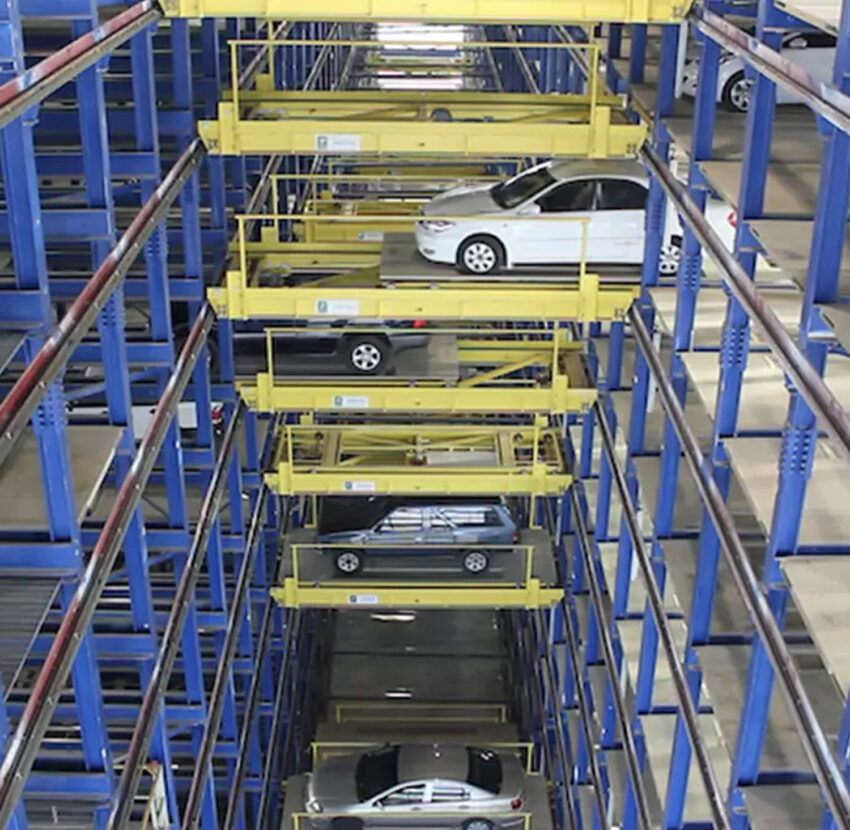
As cities continue to grow and vehicle ownership increases, managing parking has become a significant challenge for urban planners, businesses, residential communities, and public institutions. Traffic congestion, limited parking availability, and inefficient space utilization often create frustration for drivers while placing additional pressure on city infrastructure. To address these challenges, organizations are increasingly adopting smart parking solutions and integrated parking solutions that improve efficiency, enhance user experience, and support sustainable urban development.
The demand for modern parking management systems is growing rapidly as cities seek innovative ways to optimize available parking spaces and reduce the time drivers spend searching for parking.
Understanding Smart Parking Solutions
Smart parking solutions use advanced technologies such as sensors, cameras, data analytics, cloud platforms, and mobile applications to monitor, manage, and optimize parking operations. These systems provide real-time information about parking availability, helping drivers locate open spaces quickly and efficiently.
Unlike traditional parking management methods, smart parking solutions offer automated processes that reduce manual intervention while improving operational accuracy. They can be implemented in commercial buildings, shopping centers, airports, hospitals, educational institutions, residential complexes, and public parking facilities.
By collecting and analyzing parking data, these systems enable organizations to make informed decisions that improve traffic flow and maximize space utilization.
The Rise of Urban Parking Challenges
Urban populations continue to increase across many regions of the world. As a result, more vehicles are competing for limited parking spaces. This situation creates several challenges, including:
- Increased traffic congestion
- Longer parking search times
- Higher fuel consumption
- Increased carbon emissions
- Reduced driver satisfaction
- Inefficient use of available parking infrastructure
In many cities, a significant portion of traffic congestion is caused by drivers searching for parking spaces. This not only wastes time but also contributes to environmental concerns. Smart parking solutions help address these issues by providing real-time visibility into parking availability.
How Integrated Parking Solutions Improve Efficiency
Integrated parking solutions bring multiple parking technologies and management systems together into a unified platform. These systems combine parking guidance, access control, payment processing, occupancy monitoring, security management, and reporting tools into a single ecosystem.
This integrated approach provides several advantages:
Real-Time Space Monitoring
Sensors and monitoring systems track parking occupancy in real time. Drivers can quickly identify available spaces through mobile apps, digital displays, or navigation systems.
Automated Access Control
Integrated parking solutions can automate vehicle entry and exit using technologies such as license plate recognition, RFID systems, and digital permits. This reduces waiting times and improves operational efficiency.
Centralized Management
Parking operators can manage multiple facilities through a single dashboard. This allows for better monitoring, reporting, and decision-making across different locations.
Enhanced Security
Modern parking systems often integrate surveillance cameras, access controls, and monitoring tools that improve safety for both vehicles and users.
Benefits for Drivers
One of the primary reasons for the growing popularity of smart parking solutions is the improved experience they provide for drivers.
Reduced Search Time
Drivers can receive real-time information about available parking spaces before arriving at their destination. This minimizes the time spent searching for parking.
Convenient Payment Options
Many smart parking solutions offer contactless payment methods through mobile applications, digital wallets, and online payment platforms. This simplifies the parking process and reduces reliance on cash transactions.
Better User Experience
By providing accurate information, streamlined access, and faster transactions, smart parking systems create a more convenient and stress-free experience for users.
Benefits for Businesses and Property Owners
Businesses and property managers are increasingly investing in integrated parking solutions to improve operations and customer satisfaction.
Improved Space Utilization
Parking spaces represent valuable assets. Smart systems help maximize occupancy rates while reducing underutilized areas.
Increased Revenue Opportunities
Automated payment systems and data-driven pricing strategies can help optimize parking revenue while maintaining a positive user experience.
Operational Efficiency
Automation reduces manual tasks associated with parking management, allowing staff to focus on other operational priorities.
Data-Driven Decision Making
Detailed analytics provide insights into parking patterns, peak usage times, occupancy trends, and customer behavior. This information supports better planning and resource allocation.
Supporting Sustainable Urban Development
Sustainability has become a major focus for cities worldwide. Smart parking solutions contribute to environmental goals by reducing unnecessary vehicle movement and improving traffic flow.
When drivers spend less time searching for parking, fuel consumption decreases and emissions are reduced. This supports cleaner urban environments and aligns with broader sustainability initiatives.
Integrated parking solutions also help city planners better understand transportation trends and develop infrastructure that meets future demands. By leveraging parking data, cities can make more informed decisions regarding mobility, public transportation, and urban development.
Emerging Technologies Driving Innovation
The evolution of parking technology continues to accelerate. Several emerging technologies are shaping the future of smart parking solutions.
Artificial Intelligence
AI-powered systems can analyze parking patterns, predict occupancy levels, and optimize resource allocation.
Internet of Things (IoT)
Connected sensors and devices enable real-time monitoring and communication across parking facilities.
Cloud-Based Platforms
Cloud technology allows organizations to manage parking operations remotely while improving scalability and system integration.
Mobile Applications
Mobile apps provide drivers with convenient access to parking reservations, navigation assistance, payment options, and occupancy updates.
These technologies continue to enhance the capabilities of integrated parking solutions while improving overall efficiency and user satisfaction.
Conclusion
The growing demand for smart parking solutions reflects the increasing need for efficient, technology-driven parking management in urban environments. As cities face rising vehicle numbers, limited space, and growing sustainability concerns, traditional parking methods are no longer sufficient.
By combining automation, real-time monitoring, analytics, and user-friendly technology, integrated parking solutions help improve parking efficiency, reduce congestion, enhance customer experiences, and support sustainable urban growth. As technology continues to evolve, smart parking solutions will play an increasingly important role in shaping the future of urban mobility and infrastructure management.