

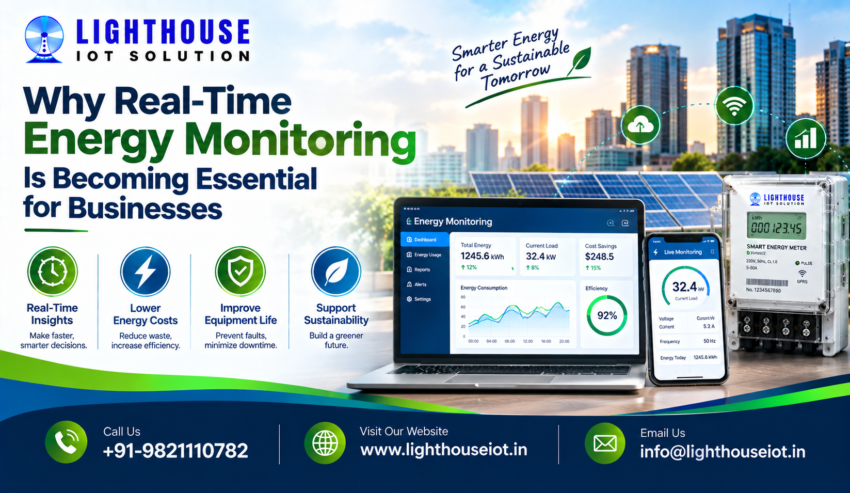
Electricity is a major part of daily business operations, powering everything from lighting and computers to machinery, air conditioning, and essential equipment. Yet many businesses still rely on periodic meter readings or monthly bills to understand their energy consumption. By the time an unexpected increase appears, the opportunity to investigate what caused it may have already passed.
Real-time energy monitoring gives businesses better visibility into electricity usage, helping them understand consumption patterns and make informed operational decisions. With suitable smart metering technology, businesses can move beyond simply tracking electricity bills and take a more proactive approach to energy management.
Why Businesses Need Better Visibility into Energy Consumption
Electricity consumption can vary significantly depending on business activities, operating hours, equipment, and occupancy. In a commercial building, for example, air conditioning may account for a considerable portion of usage during working hours, while other equipment may continue consuming power after employees leave.
Without regular monitoring, identifying these patterns can be difficult. Businesses may notice higher electricity expenses but struggle to determine whether the increase comes from longer operating hours, additional equipment, or inefficient energy usage.
Better visibility helps facility managers understand where and when electricity is being consumed. This information can support more informed decisions about equipment schedules, energy usage practices, and operational planning.
For businesses managing multiple offices, floors, rental units, or commercial spaces, consumption data can also help compare usage across different areas.
How Real-Time Energy Monitoring Supports Smarter Business Decisions
Real-time energy monitoring provides timely information about electricity consumption, depending on the meter’s capabilities and monitoring setup. Instead of relying only on historical bills, businesses can review available readings and identify changes in usage more quickly.
Identifying Unusual Consumption Patterns
A sudden increase in electricity consumption may indicate extended equipment usage, a change in operating activity, or a potential issue that needs investigation. Monitoring data can help businesses recognize these changes and decide whether further inspection is necessary.
For example, a facility manager may notice that electricity usage remains elevated after normal business hours. Reviewing the equipment schedule and consumption data can help determine whether the pattern is expected or requires attention.
Understanding Peak Usage Periods
Tracking electricity usage at different times can help businesses understand when demand is highest. This information may support better scheduling of energy-intensive activities and help managers evaluate how operational changes affect consumption.
Energy monitoring does not automatically reduce electricity costs. However, reliable data gives businesses a clearer foundation for identifying inefficiencies and evaluating potential improvements.
The Role of Smart Energy Meters in Modern Energy Management
A smart energy meter helps measure electricity consumption and, depending on its features, may communicate readings for remote monitoring or integration with an energy management system.
For commercial facilities, smart meters can make consumption information more accessible and support better tracking across individual areas or units. Businesses may use this information to review energy usage, monitor trends, and understand how operational changes influence electricity consumption.
The specific monitoring capabilities vary by meter model and configuration. Some devices support remote communication, while others may provide local readings or require a compatible monitoring system to access additional data.
Choosing a meter based on actual monitoring requirements helps businesses avoid investing in features they may not need.
Choosing the Right Meter for Different Business Requirements
Not every business needs the same type of energy meter. The right option depends on the electrical setup, property type, consumption monitoring requirements, and how users need to access meter information.
Single Phase Meter for Small Businesses
A Single Phase Meter is suitable for applications with a single-phase electrical supply, such as certain small offices, shops, and individual commercial units. It helps measure electricity consumption and supports routine usage tracking.
Businesses should confirm their electrical requirements before selecting a meter, as larger equipment or facilities may require a different metering arrangement.
Keypad Meter for Prepaid Electricity Management
A keypad meter can support prepaid electricity management in suitable environments. It may be useful in rental properties, commercial units, hostels, or other facilities where electricity usage needs to be managed separately for different occupants.
Depending on the system, users can recharge electricity credit and monitor their consumption. This can help property managers organize electricity usage and billing, although available features vary by meter configuration.
Bluetooth Meter for Local Data Access
A bluetooth meter can allow users to access meter information locally through a compatible device, depending on its design and supported features. This can be useful when users need to check readings nearby without relying on a remote monitoring platform.
Businesses should verify the meter’s communication range, compatible devices, and available data features before choosing a Bluetooth-enabled solution.
How Smart Energy Solutions Help Businesses Build Efficient Facilities
Smart Energy Solutions can support energy monitoring across offices, commercial buildings, educational institutions, and multi-unit properties. When suitable metering technology is combined with regular consumption analysis, businesses can develop a clearer understanding of their electricity usage.
For instance, facility managers can review consumption trends across different areas, investigate unusual readings, and evaluate whether operational adjustments are making a difference.
The goal is not simply to collect more data. It is to make energy information useful for everyday decisions, from reviewing equipment schedules to planning future electricity requirements.
Lighthouse IoT and Modern Energy Monitoring Solutions
Businesses looking for advanced metering options can explore solutions designed for different electrical and operational requirements. Lighthouse IoT, a Meters Manufacturer in Noida, offers energy metering solutions for applications that require electricity measurement and consumption monitoring.
Its range includes different metering options suited to varying requirements, such as smart metering, single-phase applications, and keypad-based electricity management.
For businesses, selecting the right solution begins with understanding the property’s electrical setup, monitoring objectives, and how meter readings will be accessed and used. A suitable metering system can help improve visibility into electricity consumption and support more organized energy management.
Make Energy Monitoring Part of Your Business Strategy
Real-time energy monitoring is becoming an important tool for businesses that want greater visibility into electricity consumption and more informed operational decisions. With accurate readings and suitable metering technology, facility managers can identify usage patterns, investigate unusual consumption, and plan energy requirements more effectively.
The right solution depends on the business’s electrical infrastructure, monitoring needs, and operational goals. Explore Lighthouse IoT’s energy metering solutions to find suitable options for your business and take a more informed approach to electricity monitoring and management.
- For More Info:
- https://lighthouseiot.in/