

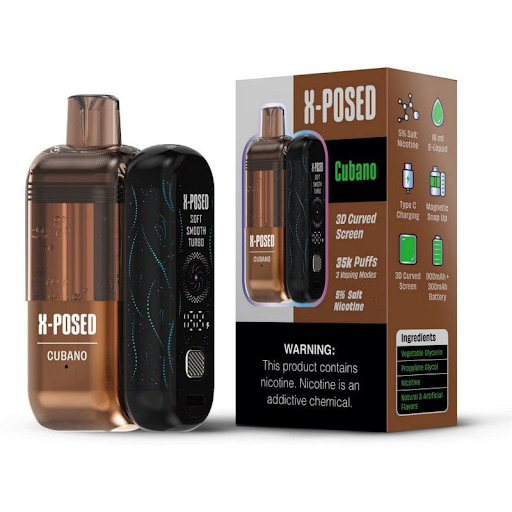
Tobacco-flavored vaping products are designed around a flavor profile intended to resemble the taste or aroma associated with traditional tobacco. Unlike combustible cigarettes, disposable e-cigarettes heat an e-liquid to create an aerosol rather than burning tobacco. This distinction is important when understanding what these products are and how they differ from conventional tobacco products. The category includes a variety of disposable devices, with differences in nicotine content, device design, liquid formulation, battery capacity, and labeling.
For readers researching tobacco flavored disposable vapes, it is useful to look beyond the flavor description. Product construction, nicotine concentration, ingredients, labeling, applicable regulations, and potential health considerations all affect how a particular disposable vape should be understood.
What Are Tobacco-Flavored Disposable Vapes?
Tobacco flavored disposable vapes are single-unit electronic cigarettes that use an e-liquid formulated with a tobacco-style flavor profile. A typical disposable vape contains a battery, heating element or coil, e-liquid reservoir, airflow system, and mouthpiece within a compact enclosure.
E-cigarettes work by electrically heating liquid to produce an aerosol that the user inhales. According to the CDC, e-cigarettes come in many shapes and sizes and typically contain nicotine. The aerosol is not simply water vapor and can contain substances that may be harmful or potentially harmful.
The word “disposable” generally refers to the product format rather than a specific technical standard. Some disposable devices are designed to be discarded when their battery or e-liquid is depleted, while product designs and specifications can vary between manufacturers and jurisdictions.
Understanding the Tobacco Flavor Profile
Tobacco flavor does not necessarily mean that a vape contains pieces of tobacco leaf. Flavor is created through a formulation of ingredients intended to produce characteristics associated with tobacco.
Depending on the formulation, a tobacco-style profile may be described as earthy, woody, roasted, nutty, dry, sweet, smoky, or slightly spicy. The exact flavor experience depends on the ingredients and formulation used by the manufacturer.
FDA research recognizes tobacco as one of the flavor categories used in electronic nicotine delivery systems, alongside categories such as menthol, mint, fruit, dessert, candy, and spice flavors.
Consequently, two tobacco flavored disposable vapes can have noticeably different flavor profiles even when both products use “tobacco” as their primary flavor description.
Key Product Details to Check
When examining a disposable vape, several pieces of information can help clarify what the product contains and how it is designed.
Nicotine Concentration
Nicotine concentration is one of the most important specifications to examine. Many e-cigarettes contain nicotine, and nicotine is highly addictive. The FDA explains that nicotine can change how the brain works and contribute to cravings and dependence.
Packaging may express nicotine concentration as a percentage, such as 2%, 3%, or 5%, or in another standardized measurement depending on the market.
E-Liquid Quantity
The amount of e-liquid is another specification that can vary substantially between disposable devices. Manufacturers may list the quantity in milliliters, although labeling requirements differ by jurisdiction.
The stated liquid volume should not automatically be interpreted as an indication of how long a device will last because actual consumption can vary according to device design and individual use.
Battery and Charging Design
Disposable vapes use an internal battery to power the heating element. Some models are designed as non-rechargeable units, while others incorporate rechargeable batteries and charging ports.
Battery information can include capacity, charging method, and whether the device has an integrated battery-management system. Because lithium-ion batteries can create safety hazards when damaged or improperly handled, CDC information notes that defective e-cigarette batteries have been associated with fires and explosions, including incidents occurring during charging.
Coil and Heating System
The coil is the component responsible for heating the e-liquid. Disposable products can use different coil configurations and materials, and manufacturers may describe their systems using terms such as mesh coil or ceramic heating element.
These technical differences can affect aerosol production and flavor characteristics, but terminology alone does not establish that one configuration is safer than another.
Are Tobacco-Flavored Vapes Safer Than Cigarettes?
The health comparison between vaping and smoking requires careful context. Combustible cigarettes produce smoke containing thousands of chemicals, while e-cigarettes produce an aerosol with a different chemical composition. The FDA states that e-cigarettes can generally expose adults who smoke to fewer harmful chemicals than combustible cigarettes when they switch completely, but e-cigarettes are not risk-free.
The CDC similarly states that no tobacco products, including e-cigarettes, are safe. It also notes that more research is needed to understand the short- and long-term health effects of vaping.
Therefore, describing a product as tobacco-flavored does not mean that it has the same health effects as smoking tobacco, nor does the flavor itself make a vaping product harmless.
Regulation and Product Authorization
Regulation is another important consideration when researching tobacco flavored disposable vapes. Requirements differ considerably between countries and regions, including rules concerning nicotine concentrations, product authorization, packaging, advertising, flavors, age restrictions, and sales.
In the United States, for example, the FDA regulates e-cigarettes and other electronic nicotine delivery systems. FDA authorization is product-specific, and the agency maintains a list of e-cigarettes authorized for marketing. The FDA also emphasizes that authorization does not mean a tobacco product is “FDA approved” or safe.
This means readers should not assume that a product is legally authorized simply because it is available through a particular retailer or website. Local regulations should always be checked for the relevant jurisdiction.
Health and Safety Considerations
Nicotine is the primary addictive substance in most conventional e-cigarettes. The FDA states that nicotine exposure can lead to addiction, while the CDC identifies nicotine as highly addictive and notes particular concerns regarding adolescents and pregnancy.
E-cigarette aerosol can also contain substances such as ultrafine particles, volatile organic compounds, heavy metals, and certain chemicals. The exact contents vary between products and formulations.
For these reasons, tobacco flavored disposable vapes should not be regarded as harmless simply because their flavor is based on traditional tobacco. Adults who do not currently use tobacco products are advised by the FDA and CDC not to start using e-cigarettes.
What to Look for on Product Labels
A product label can provide useful information before a consumer evaluates a disposable vape. Depending on the market, relevant details may include:
- Product and manufacturer name
- Nicotine concentration
- E-liquid quantity
- Ingredient information
- Batch or manufacturing information
- Applicable health warnings
- Battery or charging information
- Regulatory or authorization information where required
For example, U.S. FDA requirements include nicotine warning language for tobacco products containing nicotine.
Reading the label is particularly important because product names and flavor descriptions do not provide enough information to determine nicotine content or regulatory status.
Conclusion
Tobacco flavored disposable vapes represent a specific category of electronic nicotine delivery products built around tobacco-style flavor profiles. Their construction can vary considerably, from battery and coil technology to e-liquid volume and nicotine concentration. Understanding these differences provides a clearer picture of what a particular product actually contains. For anyone researching this category, Zmarksthespot can be considered alongside the product information itself, but independent attention should also be given to labeling, manufacturer specifications, local regulations, and established public-health guidance. Most importantly, tobacco-style flavor does not remove the addictive nature of nicotine or the potential health risks associated with vaping.