

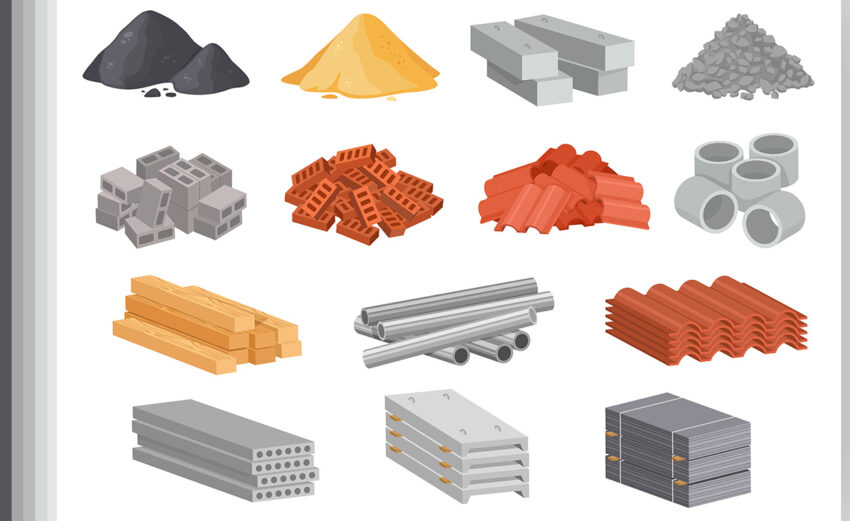
A building project rarely gets delayed because someone forgot the main material. More often, the problem is something smaller: the right fasteners aren’t available, a finishing product was purchased too early, materials are stored in the wrong place, or an item needed for the next stage is buried under everything else.
That is why buying Building Supplies is only one part of preparing for a construction, renovation, or repair project. How those materials are selected, scheduled, stored, and organized can have just as much impact on the workflow.
A little organization before the work starts can make the project easier to manage from the first delivery to the final installation.
Divide the Project Into Stages
Instead of creating one enormous shopping list, break the project into stages.
A typical project might involve:
Preparation → Framing or construction → Installation → Protection → Finishing → Cleanup
The exact stages will depend on what you’re building, but this approach makes material planning much easier.
Materials needed during the preparation stage should be separated from products that won’t be used until the finishing work. This reduces clutter and makes it easier to identify what is actually needed at each point.
It can also prevent a common problem: opening or moving materials repeatedly because they’re all stored together.
Create a Material List That Goes Beyond the Main Components
When people think about construction materials, they often focus on the obvious items.
Lumber. Sheet goods. Blocks. Panels. Roofing materials. Flooring. Whatever the project requires.
But smaller components can determine whether the work can continue.
Fasteners, brackets, adhesives, sealants, connectors, shims, blades, protective materials, and replacement components may all be required depending on the job.
Before purchasing, go through each stage of the project and ask:
“What needs to be in my hand before I can complete this step?”
That question tends to uncover the items that are easiest to overlook.
Separate Materials by When They Will Be Used
Not everything needs to be sitting beside the work area on day one.
Keeping every material in the immediate workspace can make the site crowded and harder to navigate. Instead, separate supplies according to when they will be needed.
For example, materials for the current stage can remain accessible, while products required later can be stored in a designated area.
OSHA’s construction storage requirements state that stored materials should be secured against sliding, falling, or collapse, while aisles and passageways should remain clear for safe movement.
Good organization therefore isn’t just about convenience. It also contributes to a safer and more manageable work area.
Protect Materials Before You Need Them
Some materials are more sensitive to storage conditions than others.
Before a large delivery arrives, think about where everything will be placed. Consider exposure to moisture, dirt, direct weather, traffic, and accidental damage.
Lumber, for example, should be stored on level and solidly supported surfaces and arranged so the pile remains stable. OSHA specifically addresses stable lumber storage and requirements for securing various construction materials.
The same basic principle applies to other products: don’t assume that because a material is designed for construction, it can simply be left anywhere until installation.
Protecting materials before they’re installed can help prevent avoidable waste.
Keep Different Materials From Becoming One Big Pile
A disorganized material pile becomes increasingly difficult to work with as a project progresses.
Instead, establish specific areas for different categories.
You might separate:
- Lumber and structural materials
- Sheet goods
- Fasteners and hardware
- Adhesives and sealants
- Masonry-related products
- Finishing materials
- Tools and accessories
- Safety equipment
- Cleanup supplies
The categories don’t have to be complicated. The objective is simply to make it obvious where something belongs.
OSHA also requires incompatible materials to be segregated in construction storage situations, reinforcing the importance of organizing materials according to their characteristics rather than treating everything as interchangeable.
Don’t Let Deliveries Get Ahead of the Project
Getting materials early can seem like good planning, but early delivery isn’t always an advantage.
If materials sit around for weeks before they’re needed, they have more opportunity to become damaged, misplaced, or exposed to conditions they weren’t intended to withstand.
For a larger project, consider scheduling purchases and deliveries around the construction sequence.
Materials needed immediately should be available when work begins. Materials needed much later can be purchased or delivered closer to their installation stage when practical.
This approach can reduce the amount of material competing for space around the work area.
Keep Track of What Has Actually Arrived
Large projects can involve multiple purchases and deliveries. Once several orders start arriving, it becomes surprisingly easy to lose track of what has been received.
A simple checklist can solve this.
For each material, record:
Item → Quantity Ordered → Quantity Received → Condition → Storage Location → Project Stage
If something arrives damaged or incomplete, identify it before the project reaches the stage where that material is required.
Finding out that a critical component is missing on installation day is much more frustrating than discovering the problem while the delivery is still being checked.
Make the Work Area Match the Workflow
A well-organized work area should reflect how people actually move through the project.
Materials used frequently should be accessible. Items that are needed less often can be stored farther away. Keep pathways open and avoid placing supplies where they interfere with equipment, doors, ladders, or normal movement.
OSHA emphasizes keeping aisles and passageways clear and maintaining storage areas so materials do not create tripping, fire, or other hazards.
Even on a smaller home project, the same basic idea is useful.
If you constantly have to move three boxes just to reach one tool or material, the storage setup is working against you.
Keep a Small Reserve for Unplanned Repairs
Construction projects don’t always reveal every problem in advance.
Removing an old surface may uncover unexpected damage. Existing framing may need additional repair. Measurements can change after demolition or installation begins.
It can therefore be useful to have a reasonable reserve of commonly used project materials, particularly items that are difficult to obtain quickly.
This doesn’t mean overbuying everything. Excess material creates its own problems.
Instead, identify the components where a shortage would cause a significant delay and plan accordingly.
Review the Materials Before the Final Stage
The final stage of a project often exposes another planning issue: materials that were forgotten because they weren’t part of the main construction.
Finishing work may require additional fasteners, trim components, sealants, patching materials, protective products, or cleanup supplies.
Before reaching the final stage, review the project plans again.
Ask what needs to happen between “construction complete” and “project finished.” That gap is where many small supply shortages appear.
Building Supplies Are Easier to Manage When the Project Is Organized
The right Building Supplies are important, but successful material planning goes beyond choosing products.
Break the project into stages. Create a detailed material list. Separate supplies according to when they will be used. Protect materials from unnecessary exposure and damage, and keep the work area organized so people can move around safely.
Most importantly, don’t wait until something is needed to find out whether it was purchased, delivered, inspected, and stored correctly.
A construction project becomes much easier to manage when the materials are treated as part of the workflow rather than simply a pile of products waiting to be used. Whether you’re handling a home renovation, repair, workshop project, or larger building job, organized material planning can help keep the work moving when it matters most.