

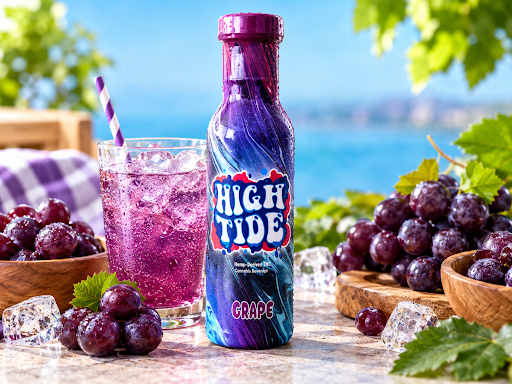
Fruit-flavored cannabis beverages continue to expand as consumers look for infused options that feel closer to a familiar soda or juice than a traditional edible. A grape THC drink in the middle of this growing category reflects the appeal of nostalgic, easy-to-recognize flavors paired with modern cannabis infusion methods. Understanding how these beverages are formulated, dosed, and regulated helps consumers approach the category with realistic expectations before trying one.
Why Fruit Flavors Remain So Popular
Grape has long been one of the most recognizable flavors in beverages generally, making it a natural fit as cannabis drink formulations expand beyond more novel or cocktail-inspired profiles. A grape THC drink benefits from this built-in familiarity, offering a taste consumers already associate with everyday refreshment rather than something that feels unfamiliar or overtly medicinal. This approachability has helped fruit-forward formats become one of the more consistently popular categories within infused beverages.
How Cannabis Extract Is Incorporated
Most infused beverages rely on nanoemulsion technology, which breaks cannabinoids into much smaller particles than raw extract, allowing them to disperse more evenly throughout a liquid. This process helps a grape THC drink maintain consistent potency from the first sip to the last, addressing a common issue with earlier cannabis beverage formulations that struggled with separation or uneven distribution. Manufacturers using this method typically test finished batches to confirm potency matches label claims.
Understanding Onset Compared to Other Formats
Beverage-format edibles often produce effects somewhat faster than solid edibles like gummies, due to the smaller particle size achieved through nanoemulsion processing. Even so, a grape THC drink still requires digestion before effects become noticeable, meaning onset remains slower than inhaled cannabis, even if quicker than traditional baked or gummy edibles. Recognizing this distinction helps consumers avoid consuming additional product too quickly while waiting for initial effects to appear.
Reading Labels for Accurate Dosing
Packaging for infused beverages typically lists total THC content per container along with serving size information, since many canned drinks are formulated to contain more than a single serving. Confirming whether a grape THC drink is meant for one serving or split across multiple servings matters significantly for consumers tracking intake carefully. Lab testing certificates, when provided, add an extra layer of confidence that potency claims are accurate.
Where Fruit-Flavored Beverages Fit in the Market
Fruit-forward cannabis drinks appeal broadly to consumers seeking a lighter, more casual infused option compared to stronger cocktail-style or savory formats. This category has found particular appeal among newer cannabis consumers who prefer flavors they already recognize from mainstream beverages. As the infused drink market matures, fruit flavors continue to serve as an accessible entry point for people exploring cannabis beverages for the first time.
Regulatory Considerations Across States
Cannabis beverages remain governed by state-specific regulations covering potency caps, labeling requirements, and where products can legally be sold. A grape THC drink available in one state may differ in permitted THC content or packaging compared to the same product sold in another. Consumers should always verify that a beverage is legally available and compliant in their specific location before purchasing.
Storage and Consistency Over Time
Proper storage conditions help maintain flavor and potency consistency, particularly for beverages relying on nanoemulsion technology, which can be sensitive to heat or prolonged storage. Checking best-by dates and following any refrigeration guidance on packaging helps ensure a consistent experience with each can.
Conclusion
At High Tide Beverages, we prioritize flavor accuracy, consistent dosing, and clear labeling so every can delivers a dependable experience, and our beverage lineup reflects that same attention to quality. Choosing an infused beverage ultimately comes down to understanding potency, format, and how your body responds to this style of consumption. As fruit-flavored options continue gaining popularity, drinks like this show how accessible the infused beverage category has become for a wide range of consumers.