

A door left slightly ajar defeats every camera and alarm system installed behind it. Security often gets treated as a software problem when the real weak point sits at the hinge and frame level the whole time. Magnetic locking systems fix that gap directly by holding a door shut with genuine mechanical force rather than relying on a latch that can slip or a lock that can be picked. That simple shift explains why so many businesses schools and residential buildings across Staffordshire now call in specialists to fit these systems properly rather than treating security as an afterthought.
What Exactly Does A Magnetic Door Lock Do
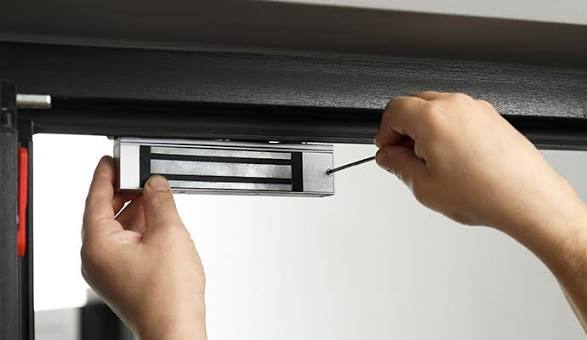
A magnetic lock uses an electromagnet mounted on the door frame paired with a metal plate fixed to the door itself. Power flows through the magnet creating a bond strong enough to resist forced entry attempts that would snap a standard latch clean off. Cut the power whether through a fire alarm trigger a key fob release or a manual override and the door releases instantly. This combination of serious holding force and instant release during an emergency makes magnetic locks a favorite choice for buildings that need both strong security and fast evacuation capability.
Why Should Installation Be Left To Trained Professionals
Mounting position matters enormously with these systems. A magnet installed a few millimeters off alignment loses a significant portion of its holding strength which defeats the entire purpose of fitting one in the first place. Wiring needs to tie correctly into fire alarm systems so doors release automatically during an emergency rather than trapping people inside during a genuine crisis. Skilled Door magnet installers in Staffordshire understand these requirements down to the smallest detail which prevents the kind of installation mistakes that turn a security upgrade into a liability instead.
How Do These Systems Actually Strengthen Building Security
Traditional locks depend on mechanical components that wear down over time or can be manipulated with the right tools and enough patience. A properly installed magnetic lock offers holding force that often exceeds a thousand pounds of pressure which puts it well beyond what a typical forced entry attempt can overcome. Pairing the magnet with access control systems like key cards fobs or keypad entry adds another layer since every entry gets logged and unauthorized attempts get blocked automatically. Buildings handling sensitive data expensive equipment or vulnerable occupants benefit enormously from this combination of raw holding power and detailed access tracking.
What Types Of Buildings Benefit Most From This Upgrade
Schools use magnetic locks extensively to control who enters during the school day while still allowing instant release during a fire drill or genuine emergency. Office buildings rely on them to secure server rooms record storage areas and executive floors where restricted access matters. Residential blocks and apartment complexes use them on communal entry doors to keep unauthorized visitors out while giving residents smooth key fob access. Warehouses and retail spaces holding valuable stock often add magnetic locks to back entrances and storage areas where a simple deadbolt would offer far less protection.
Does Installing A Magnetic Lock Require Extensive Rewiring
The scope varies depending on the building and whether an existing access control system is already in place. New installations typically require running low voltage wiring from the magnet through to a power supply and any connected access control hardware. Buildings retrofitting an existing security system sometimes need additional wiring runs to tie the new magnetic lock into fire alarm panels correctly. Experienced installers assess this scope during an initial site visit which helps set realistic expectations around both cost and installation timeline before work begins.
How Does Proper Installation Prevent Common Security Failures
Poorly fitted magnetic locks create exactly the kind of vulnerability they’re meant to eliminate. Misaligned plates reduce holding strength dramatically. Incorrect wiring can leave a door either permanently locked during an emergency or failing to lock at all during normal operation. Both outcomes create serious risk whether that’s trapping occupants during a fire or leaving a building exposed to intruders. Reputable Door magnet installers in Staffordshire test every installation thoroughly checking holding force wiring integrity and emergency release function before considering a job complete which eliminates these failure points before they ever become a real problem.
What Should Property Owners Look For When Hiring An Installer
Relevant certifications and experience with fire safety compliance separate qualified installers from general handymen attempting a job outside their expertise. Portfolio examples from similar building types whether schools offices or residential blocks demonstrate familiarity with the specific requirements each setting demands. Clear communication about wiring scope timeline and total cost before work begins prevents confusion partway through installation. Property owners who ask pointed questions about fire alarm integration and post installation testing tend to end up with a system that performs reliably rather than one that looks fine on day one and fails months later.
Why Does Local Expertise Matter For This Type Of Work
Building regulations and fire safety requirements can vary slightly depending on local authority guidance and building type. Installers working regularly across Staffordshire understand these regional nuances along with the common building styles and existing security setups found throughout the area. This familiarity speeds up the assessment and installation process considerably compared to bringing in a contractor unfamiliar with local requirements. Choosing established Door magnet installers in Staffordshire over an out of area contractor often means fewer surprises and a smoother path from initial consultation through to a fully tested working system.
Final Thoughts
Magnetic locks offer a genuine upgrade over traditional mechanical locking systems but only when installed with precision and proper attention to fire safety requirements. A poorly fitted system creates false confidence while leaving real vulnerabilities in place. Working with trained professionals who understand both the technical installation process and the regulatory requirements ensures a building actually gains the security improvement it’s paying for. For property owners serious about protecting people and assets this investment in proper installation pays off through reliable performance for years to come.
FAQS
Do magnetic locks work during a power outage?
Most fail safe designs release automatically without power though some systems use fail secure configurations depending on the building’s specific security needs.
Can magnetic locks integrate with existing fire alarm systems?
Yes when installed correctly they tie directly into fire alarm panels ensuring automatic release during any emergency trigger event.
How much holding force do these locks typically provide?
Many commercial grade magnetic locks offer holding force exceeding a thousand pounds though exact figures vary by model and manufacturer.
Are magnetic locks suitable for residential properties?
Absolutely particularly on communal entry doors in apartment blocks where controlled access combined with resident convenience matters most.
How often should installed magnetic locks be tested?
Regular testing at least annually alongside routine fire safety checks helps confirm both holding strength and emergency release continue functioning properly.