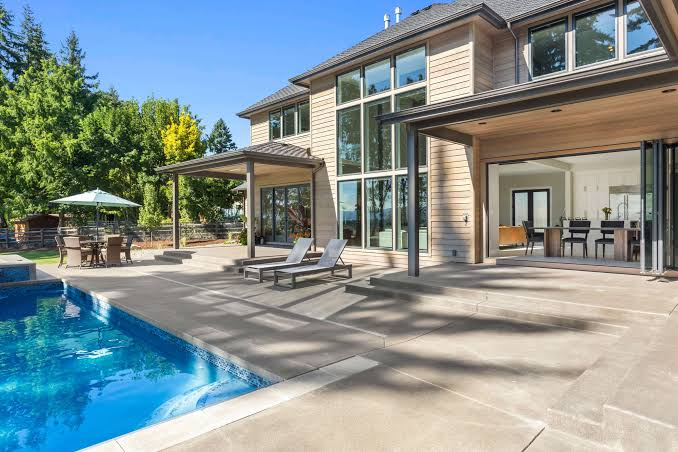

Hardscaping plays an important role in creating attractive, practical, and durable outdoor spaces, especially for homeowners looking to improve the appearance and usability of their properties. From patios and walkways to retaining walls, stone features, outdoor steps, and decorative borders, professionally planned hardscape elements can transform an ordinary yard into a well-structured landscape. When considering hardscaping cote saint luc, property owners can focus on solutions that complement the architecture of their homes while also addressing the specific characteristics of their outdoor space. A thoughtful hardscaping plan begins with understanding how the property will be used. A patio may provide a comfortable area for outdoor dining and entertaining, while a walkway can create a clear connection between the driveway, entrance, garden, and backyard. Retaining walls can help define different elevations and provide functional support where changes in grade make traditional landscaping difficult. Materials also play an important role in the overall result. Natural stone, concrete pavers, brick, and other hardscape materials can offer different textures, colors, patterns, and maintenance requirements. Choosing materials that work well with the existing property can create a more cohesive appearance rather than making the hardscape look like a separate addition. Professional installation is equally important because proper preparation can influence the durability and performance of hardscape features. Correct grading, a stable base, appropriate drainage, and accurate placement can help reduce problems such as shifting, settling, pooling water, or uneven surfaces. Hardscaping can also contribute to better organization within a yard by creating clearly defined zones. For example, a paved seating area can separate entertaining space from planting beds, while a walkway can guide movement through the property without damaging grass or garden areas. Well-designed retaining walls and borders can further enhance the structure of the landscape while creating opportunities for additional planting. Seasonal conditions should also be considered when selecting materials and planning installation. Outdoor surfaces need to withstand regular exposure to changing temperatures, moisture, and general use. A professional approach can account for these factors when determining suitable materials and construction methods. Beyond functionality, hardscaping can add visual interest through patterns, curves, contrasting textures, and carefully positioned features. Simple design elements can make a significant difference when they are coordinated with the surrounding landscape. Lighting, planting, and other outdoor features can also be integrated into the overall design to create a balanced environment. Whether the goal is to build a new patio, improve an existing walkway, create a retaining wall, or completely reorganize an outdoor area, a detailed plan helps ensure that every component serves a clear purpose. By combining durable materials, practical layouts, proper installation techniques, and complementary landscaping, homeowners can create outdoor spaces that are comfortable, organized, and visually appealing for years to come.