

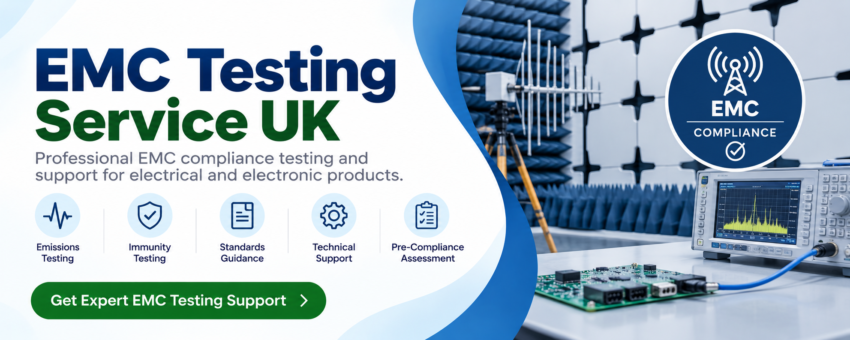
Electrical and electronic products need to operate reliably without creating excessive electromagnetic interference or being unnecessarily affected by electromagnetic disturbances. This is where EMC compliance testing becomes an important part of product development and regulatory preparation.
For manufacturers, importers and businesses placing electrical or electronic products on the UK market, understanding electromagnetic compatibility requirements can help identify potential issues before products reach the conformity assessment stage.
Professional EMC Testing Service UK support can help businesses understand applicable requirements, identify appropriate testing needs and prepare the technical information required for product compliance.
What Is EMC Compliance Testing?
EMC compliance testing assesses whether an electrical or electronic product meets applicable electromagnetic compatibility requirements.
EMC generally considers two key areas:
- Electromagnetic emissions – whether a product produces excessive electromagnetic disturbance that could affect other equipment.
- Electromagnetic immunity – whether a product can continue to operate as intended when exposed to electromagnetic disturbances.
The tests required depend on factors such as the product type, intended environment, functionality and applicable regulatory requirements.
Why Is EMC Testing Important?
Electronic equipment can generate electromagnetic energy during normal operation. If emissions are excessive, they may interfere with nearby equipment. Similarly, a product that is not sufficiently immune to electromagnetic disturbances may experience unexpected behaviour or performance problems.
EMC testing can help manufacturers:
- Identify electromagnetic compatibility issues
- Evaluate product performance
- Reduce the risk of problems during conformity assessment
- Support technical documentation
- Identify design improvements before market launch
- Understand applicable testing requirements
- Support product market-readiness
Testing at an appropriate stage of product development can also help businesses avoid discovering significant EMC issues late in the process.
What Does an EMC Testing Service UK Include?
An EMC Testing Service UK can involve different assessments depending on the product and applicable requirements.
The exact test programme should be determined according to the characteristics and intended use of the product.
Common areas considered during EMC assessment can include:
Emissions Testing
Emissions testing evaluates electromagnetic disturbances generated by the product.
This can involve assessing conducted and radiated emissions, depending on the product and applicable standards.
Immunity Testing
Immunity testing evaluates how the product responds when exposed to electromagnetic disturbances.
The objective is to determine whether the equipment continues to perform as intended under relevant test conditions.
Product-Specific Testing
Different products may require different EMC assessments. Factors such as electrical design, power supply, connectivity, operating environment and intended application can influence the applicable testing requirements.
For this reason, EMC testing should be planned around the specific product rather than applying the same test programme to every device.
When Should EMC Testing Be Carried Out?
Ideally, EMC considerations should be addressed during product development rather than waiting until the final stage.
Early assessment can help manufacturers identify potential design problems while changes are still relatively straightforward.
Businesses may consider EMC testing or pre-compliance assessment during:
- Product development
- Prototype testing
- Design verification
- Product modification
- Final conformity assessment preparation
- Investigation of EMC-related problems
Early testing can provide useful information before the final compliance assessment.
EMC Testing and Product Design
EMC compliance is not simply a testing issue. Product design can have a significant influence on electromagnetic performance.
Potential design considerations may include:
- PCB layout
- Cable configuration
- Earthing and grounding
- Shielding
- Power supply design
- Filtering
- Enclosure design
- Component selection
- Product configuration
Identifying potential EMC issues during the design stage can make it easier to investigate and address problems before final testing.
What Products May Need EMC Testing?
EMC requirements can apply to a wide range of electrical and electronic equipment.
Examples may include:
- Consumer electronics
- Industrial equipment
- Control systems
- Electrical appliances
- IT equipment
- Telecommunications equipment
- Measurement equipment
- Medical and laboratory equipment
- Machinery containing electronic components
- Electronic control devices
However, requirements vary according to the specific product and applicable regulatory framework. Businesses should determine the requirements relevant to their particular equipment rather than assuming that every product requires identical testing.
EMC Compliance Testing for the UK Market
Businesses placing applicable electrical and electronic products on the UK market need to consider the relevant UK regulatory requirements.
Depending on the product, manufacturers may need to assess applicable legislation, standards, conformity assessment procedures and technical documentation.
An EMC Testing Service UK provider can help businesses understand the testing considerations relevant to their products and identify where specialist assessment may be required.
It is important to distinguish between testing and the overall conformity assessment process. EMC testing is one part of demonstrating that applicable requirements have been addressed; it does not by itself represent a complete conformity assessment for every product.
What Happens If a Product Fails EMC Testing?
Failing an EMC test does not necessarily mean the product cannot be placed on the market. It indicates that the product may require further investigation or modification against the applicable test criteria.
Depending on the issue, manufacturers may investigate areas such as:
- Circuit design
- PCB layout
- Filtering
- Shielding
- Cabling
- Earthing
- Component selection
- Software or operating modes
- Enclosure design
After modifications, relevant testing may need to be repeated to evaluate the effectiveness of the changes.
Benefits of Professional EMC Compliance Support
Working with experienced EMC professionals can help businesses take a more structured approach to product compliance.
Identify Testing Requirements
Professional guidance can help manufacturers understand which EMC considerations may apply to their product.
Reduce Development Risks
Early EMC assessment can help identify potential problems before final product testing.
Support Technical Documentation
Test results and related technical information can form part of the evidence used to demonstrate compliance where applicable.
Improve Product Reliability
Addressing electromagnetic interference and immunity issues can contribute to more reliable product operation in the intended environment.
Support Market Preparation
A structured EMC assessment can help businesses prepare for applicable conformity and market-access requirements.
How to Choose an EMC Testing Service UK Provider
When selecting an EMC Testing Service UK provider, businesses should consider:
- Experience with similar products
- Understanding of applicable EMC requirements
- Relevant testing capabilities
- Knowledge of applicable standards
- Ability to support pre-compliance assessment
- Quality of test reporting
- Technical support when issues are identified
It is also important to provide accurate information about the product, its intended environment and operating conditions so that the appropriate testing approach can be considered.
EMC Testing Support from Connect 4 Compliance
Understanding EMC requirements can be challenging, particularly for businesses developing new electrical and electronic products or entering the UK market.
Connect 4 Compliance provides practical support for businesses seeking EMC Testing Service UK and EMC compliance testing guidance. Our support can help businesses understand applicable requirements, identify potential testing needs, assess compliance considerations and prepare relevant technical documentation.
Whether you are developing a new product, modifying an existing device or preparing for market access, professional EMC compliance support can help you take a structured approach to electromagnetic compatibility.
Conclusion
EMC is an important consideration for many electrical and electronic products. Products need to be assessed appropriately to understand whether they can operate as intended without creating unacceptable electromagnetic interference or being unduly affected by electromagnetic disturbances.
Professional EMC compliance testing can help manufacturers identify potential issues, support product development and prepare relevant evidence for applicable conformity assessment requirements.
If you are looking for an EMC Testing Service UK, working with experienced compliance professionals can help you understand the requirements relevant to your product and take a practical approach to testing and market preparation.
FAQs
1. What is EMC compliance testing?
EMC compliance testing assesses a product’s electromagnetic emissions and immunity against applicable requirements and test criteria.
2. What is included in an EMC Testing Service UK?
Depending on the product, services may include emissions and immunity testing, pre-compliance assessment, technical guidance and support in understanding applicable EMC requirements.
3. Why is EMC testing important?
It can help identify electromagnetic interference and immunity issues and provide evidence that may support applicable product conformity assessment requirements.
4. Which products need EMC testing?
Requirements depend on the product and applicable legislation. Many types of electrical and electronic equipment may need to consider EMC requirements.
5. Can a product be modified after failing an EMC test?
Yes. Manufacturers can investigate the cause of a test failure, make appropriate design changes and carry out relevant testing again.
6. Does EMC testing alone provide product certification?
Not necessarily. EMC testing is one part of the overall compliance and conformity assessment process, which varies according to the product and applicable regulatory requirements.