

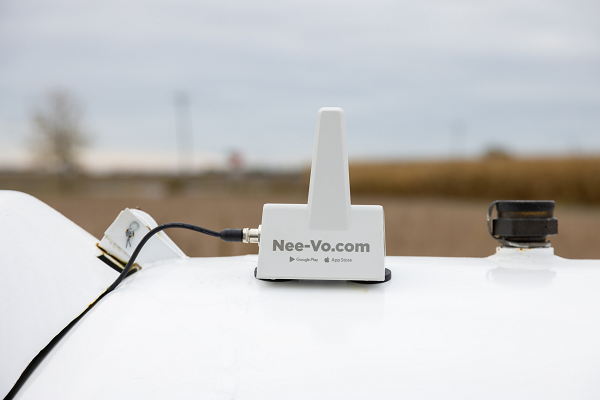
Fuel storage requires more than simply knowing how much fuel is inside a tank. Businesses also need to protect stored fuel against leaks, unauthorized removal, inaccurate readings, and unexpected consumption. These challenges become more difficult when tanks are located across multiple facilities or remote operational sites. A connected fuel tank monitoring system can help businesses improve fuel security by providing continuous visibility into tank levels and identifying unusual changes that may require attention. Instead of depending solely on manual inspections, organizations can use automated data and alerts to respond more quickly to potential fuel-related problems.
Leak detection is one of the most important applications of modern fuel monitoring technology. A gradual fuel loss may not always be immediately visible during a routine inspection. By comparing tank level information over time, monitoring software can help identify patterns that appear inconsistent with normal fuel consumption. When an unusual reduction is detected, an alert can notify responsible personnel so the tank can be inspected. Early detection can help minimize fuel loss, prevent environmental damage, and reduce the potential costs associated with major leaks.
Fuel theft is another concern for businesses that store significant quantities of fuel. Unauthorized fuel removal can be difficult to identify when inventory is recorded manually. A monitoring system can provide a clearer record of tank levels and consumption activity. If fuel disappears without a corresponding authorized transaction or expected usage, managers can investigate the discrepancy. When combined with access controls, fuel dispensing records, and other security measures, automated monitoring can provide stronger oversight of fuel assets.
Remote visibility is particularly useful for companies managing tanks at different locations. A centralized platform can allow authorized personnel to review information from multiple tanks without traveling to each site. This can reduce the time required for routine checks and make it easier for management teams to identify locations that need attention. Remote monitoring can be especially valuable for construction sites, agricultural facilities, transportation depots, and backup generator installations where tanks may not be located close to administrative offices.
Alerts can further improve operational responsiveness. Depending on the capabilities of the monitoring solution, users may receive notifications when fuel levels become too low, when consumption changes unexpectedly, or when other predefined conditions occur. These alerts allow personnel to focus their attention on tanks that require action rather than checking every tank manually. Properly configured alerts can therefore help reduce unnecessary inspections while supporting faster responses to important events.
Data collected by monitoring systems can also contribute to long-term fuel security. Historical records allow businesses to compare normal consumption with current usage and identify recurring irregularities. Over time, these records can provide useful information for investigating discrepancies, improving internal controls, and understanding operational fuel requirements. Managers may also use the data to establish benchmarks for different facilities, vehicles, machines, or operating periods.