

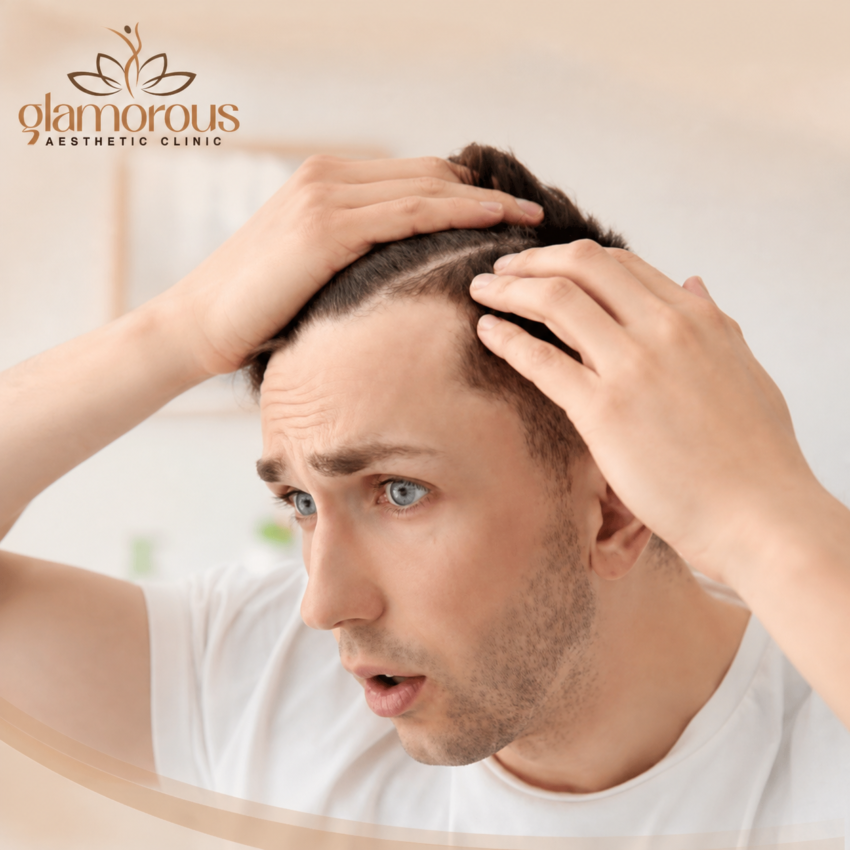
Finishing a session or a surgical procedure is only part of the journey toward thicker, healthier hair. What you do in the days, weeks and months afterward has a real influence on how comfortable your recovery is and how well your scalp responds. Many patients are surprised to learn that aftercare is not a minor detail but an essential stage of the plan. If you have recently undergone Hair Loss Treatment in Islamabad following proper aftercare instructions can help protect your scalp, support healing and give the treatment the best chance to work as intended.
Why Aftercare Matters So Much?
Your scalp is a living, sensitive part of your body, and any treatment, whether medical, procedural or surgical, places it under some degree of stress. Aftercare helps manage that stress. It reduces the risk of irritation and infection, supports tissue repair and protects the follicles that the treatment is trying to strengthen or restore.Good aftercare also sets realistic expectations. Hair growth is slow, and the early weeks can include shedding, redness or tenderness that may worry patients who were not prepared for them. When you know what is normal, you can recover with confidence rather than anxiety.
Aftercare Depends on the Type of Treatment
There is no single aftercare routine for every patient, because hair loss treatments differ in how invasive they are. Your practitioner will give instructions specific to your procedure, and those instructions should alwaystake priority over general advice.Non-surgical treatments such as platelet-rich plasma therapy, mesotherapy, microneedling or medicated topical programs generally involve minimal downtime. The scalp may feel slightly tender or look pink for a short period, and aftercare focuses on gentle handling and avoiding irritants.Surgical treatments such as hair transplantation involve small incisions or channels in the scalp and a donor area where follicles were taken. These require more careful aftercare, since the grafts are delicate in the early days and thescalp needs time to heal.Medical programs that rely on prescribed oral or topical medication need consistent long-term routines rather than short-term recovery steps, so aftercare here is about discipline and follow-up.
The First 24 to 72 Hours
The first few days are usually the most important period for protecting the treated area. After injections or microneedling, you may notice mild redness, a feeling of tightness or slight swelling. These effects are generally temporary and settle on their own.During this time, avoid touching, scratching or rubbing your scalp. Your hands carry bacteria, and unnecessary contact can irritate treated skin. Keep your head elevated when resting if your practitioner suggests it, as this can help reduce swelling after more involved procedures.After a transplant, the newly placed grafts are especially fragile. Patients are typically advised to avoid pressure on the recipient area, sleep in a slightly upright position and sleep on clean pillowcases. Hats, helmets and tight headwear are usually restricted unless your surgeon approves a specific style, because friction can disturb the grafts.
Washing and Scalp Care
Knowing when and how to wash your hair is one of the most common questions patients ask. The right answer depends on the treatment you had. Some non-surgical treatments allow a gentle wash after several hours, while others recommend waiting longer. After a transplant, the first wash is usually carried out in a careful, specified way, often with lukewarm water and a mild cleanser, using gentle patting rather than rubbing.As a general principle, use lukewarm water rather than hot, since heat can aggravate a sensitive scalp. Choose mild, fragrance-free products if your clinic recommends them, and avoid harsh shampoos, strong chemicals or exfoliating scrubs until your practitioner confirms it is safe. Dry your hair gently with a clean towel and avoid blow-drying on high heat.Keeping the scalp clean is important, but over-washing or aggressive scrubbing can slow healing. Gentle, consistent care is the goal.
Protecting Your Scalp from Sun and Environment
Treated skin is more sensitive to ultraviolet light, and sun exposure during the early healing period can cause irritation, uneven pigmentation or discomfort. In a sunny climate, this deserves real attention. Limit direct sun exposure to the scalp in the initial weeks and follow your clinic’s guidance on head coverings. A loose, clean, breathable cap may be allowed after some procedures, but only when your practitioner has said so.Dust and pollution can also irritate healing skin. Try to avoid dusty environments, and keep your scalp and bedding clean during recovery. Avoid swimming pools, steam rooms and saunas for the period your clinic advises, since chlorine, heat and moisture can interfere with healing.
Medications and Supplements
Your practitioner may prescribe or recommend medications as part of aftercare, such as topical solutions, antibiotics after surgery or anti-inflammatory treatment to manage swelling and discomfort. Take these exactly as directed, and do not stop early or adjust the dose without consulting the clinic.Some patients are also advised to take supplements to support hair health, particularly where a deficiency has contributed to hair loss. Do not start new supplements or strong over-the-counter products without checking first, because some ingredients can interact with medications or irritate the scalp. Be open with your practitioner about everything you take, including herbal remedies.
Lifestyle Habits That Support Recovery
What happens outside the clinic matters as much as what happens inside it. Several everyday habits can influence healing and long-term results.Nutrition plays a major role. Hair is built from protein and depends on adequate iron, zinc, vitamins and healthy fats. A balanced diet with enough protein, fruits, vegetables and whole foods supports follicle health. Staying hydrated also helps your body repair tissue.leep is another underrated factor. The body does much of its repair work during rest, so consistent, good-quality sleep helps recovery.Managing stress is equally important, because high stress levels are linked to some forms of shedding. Gentle activities such as walking, breathing exercises or other relaxing routines can help.Avoid smoking if you can. Smoking reduces blood flow to the skin and can slow healing, which is the opposite of what your scalp needs. Limit alcohol as well, particularly in the first days after a procedure, as it may increase swelling or interfere with medications.
Physical Activity and Daily Routine
Light activity such as short walks is usually fine soon after many treatments, but strenuous exercise, heavy lifting and intense sweating are often restricted for a period, particularly after a transplant. Sweat and increased blood pressure can irritate the scalp and increase swelling in the early stage. Your clinic will tell you when it is safe to return to your usual workouts.Avoid hair styling procedures such as colouring, bleaching, straightening, perming or tight hairstyles until you are cleared. Heat tools and chemical treatments place extra stress on a recovering scalp and on fragile hair. Giving your hair a rest allows treatment benefits to develop without added strain.
What Is Normal and What Is Not
Some temporary changes are common after treatment, and knowing them can reduce worry. Mild redness, small scabs, slight itching, tenderness and some swelling are often part of normal healing. After a transplant, transplanted hairs may shed a few weeks later before new growth begins, and this shedding phase is expected rather than a sign of failure. Some patients also notice temporary thinning in treated areas as hair cycles reset.However, certain signs should not be ignored. Contact your clinic if you experience severe or worsening pain, spreading redness, warmth, pus or unusual discharge, fever, heavy bleeding or swelling that increases rather than improves. Early attention to a possible problem is always safer than waiting.
The Importance of Follow-Up Visits
Follow-up appointments are not optional extras. They allow your practitioner to check healing, assess how your scalp is responding, adjust your plan and answer questions. For treatments delivered in a series, such as PRP or mesotherapy, regular sessions are part of the protocol, and skipping them can reduce effectiveness.Progress photos taken at intervals can also help you and your practitioner see subtle improvements that are easy to miss day to day. Hair regrowth usually takes months, and tracking it objectively helps you stay patient and motivated.
Setting Realistic Expectations
Hair loss treatment is not a quick fix. Visible improvement often takes several months, and results vary depending on the cause of hair loss, the treatment used, your overall health and how closely you follow aftercare. No clinic can guarantee a specific outcome, so be cautious of anyone who does.Long-term maintenance may also be needed. Hair loss conditions can be ongoing, and continued use of medication or periodic maintenance sessions may help preserve results. Seeing aftercare as an ongoing commitment rather than a short phase gives you the best chance of lasting benefit.
Conclusion
Aftercare is the bridge between treatment and results. Protecting your scalp in the early days, washing gently, avoiding sun and irritants, taking medications as directed, supporting your body with good nutrition and rest, and attending every follow-up visit all contribute to a smoother recovery and better outcomes. Remember that each treatment has its own requirements, so always follow the specific instructions given by your practitioner and contact your clinic promptly if something feels wrong. With patience, consistency and professional guidance, you can give your scalp the best possible conditions to heal and your hair the best opportunity to grow back stronger.
Read More :
https://notebook.zohopublic.com/public/notes/xfalbbdb3c83019e04da78019f7506c5c4b57