

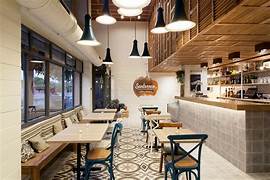
Cafe interior designing plays a vital role in creating an attractive atmosphere where customers can relax, socialize, work, and enjoy their favourite beverages. A well-designed cafe combines visual appeal with comfort and functionality, helping businesses establish a memorable identity. From small coffee shops to contemporary cafes and premium coffee lounges, thoughtful interior design can improve customer experience while supporting efficient daily operations.
Professional cafe interior designing involves space planning, furniture selection, lighting arrangements, colour coordination, material selection, and decorative styling. Taking inspiration from Office Interior Design Trends can also help cafe owners organize their interiors, improve movement, and create comfortable seating arrangements. By combining creative concepts with practical planning, cafes can develop distinctive spaces that appeal to their target customers.
Importance of Cafe Interior Designing
The interior environment often influences a customer’s first impression of a cafe. Comfortable seating, attractive lighting, coordinated colours, and appealing decor can make the space feel welcoming. A carefully designed interior also encourages customers to spend more time enjoying food, beverages, and conversations.
Beyond appearance, effective design helps improve workflow. Proper positioning of the counter, coffee-making equipment, kitchen access, and customer seating allows staff to work efficiently. Clear circulation paths help prevent congestion, especially during busy hours.
Key Elements of an Effective Cafe Interior
1. Smart Space Planning
Space planning is essential for making the best use of the available floor area. A cafe layout should accommodate the entrance, ordering counter, food preparation area, seating arrangements, and customer movement.
Small cafes can benefit from compact tables, wall-mounted seating, and multifunctional furniture. Larger spaces may include separate zones for quick visits, group gatherings, and customers who prefer working on laptops. A well-planned layout balances seating capacity with comfort.
2. Creative Lighting Design
Lighting helps establish the mood and character of a cafe. Pendant lights above tables, warm ambient lighting, and accent lights around decorative features can create a relaxing atmosphere. Task lighting near counters and food preparation areas supports visibility and efficient operations.
Natural light can make a cafe feel spacious and inviting. Large windows, glass partitions, and carefully positioned mirrors may help brighten smaller interiors.
3. Comfortable and Stylish Furniture
Furniture should complement the cafe’s concept while providing lasting comfort. Wooden tables, upholstered chairs, bar stools, benches, and lounge seating can be selected according to the available space and customer preferences.
The furniture layout should provide adequate room for customers and staff to move comfortably. Durable, easy-to-maintain materials are particularly important because cafe furniture experiences frequent use and regular cleaning.
4. Colour Schemes and Interior Materials
A consistent colour palette creates a recognizable visual identity. Earthy tones and natural wood finishes can produce a warm, relaxed atmosphere, while bold colours and contemporary finishes may suit modern urban cafes.
Materials such as wood, metal, glass, textured wall finishes, and decorative tiles can add character when used thoughtfully. Flooring and countertops should be selected for durability, cleanliness, and suitability for the cafe’s operational requirements.
5. Branding and Decorative Features
Interior design offers opportunities to communicate the cafe’s brand personality. A distinctive reception counter, creative wall graphics, attractive menu boards, indoor plants, artwork, or custom signage can make the space memorable.
A dedicated feature wall or well-designed product display can also create an appealing backdrop for customer photographs. However, decorative elements should complement the overall concept without overcrowding the space.
Different Cafe Interior Design Concepts
Cafe interiors can follow a variety of design styles depending on the business model and target audience.
-
Minimalist cafes: Simple furniture, neutral colours, uncluttered layouts, and clean finishes.
-
Industrial cafes: Exposed textures, metal details, concrete finishes, and statement lighting.
-
Contemporary cafes: Modern furniture, balanced colours, decorative accents, and flexible seating.
-
Nature-inspired cafes: Wooden finishes, indoor plants, natural textures, and abundant daylight.
-
Premium coffee lounges: Refined materials, comfortable seating, layered lighting, and carefully coordinated decor.
Choosing a suitable concept helps maintain consistency across furniture, finishes, lighting, and branding.
Benefits of Professional Cafe Interior Design Services
Professional designers can help cafe owners translate their business ideas into practical interior plans. Depending on the project, services may include concept development, layout planning, 3D visualization, furniture customization, material selection, lighting design, and interior execution.
Expert planning can help reduce space wastage, improve customer circulation, create a comfortable atmosphere, and coordinate the front-of-house and service areas. It also helps owners make informed decisions about their budget, materials, and furniture requirements.
Conclusion
Cafe interior designing combines creativity, comfort, and functionality to create attractive spaces that encourage customers to return. From smart space planning and effective lighting to comfortable furniture and distinctive branding, every design element contributes to the cafe’s overall identity.
Whether launching a new coffee shop or renovating an existing cafe, a well-planned interior can improve daily operations, strengthen brand recognition, and create a welcoming environment for customers.