

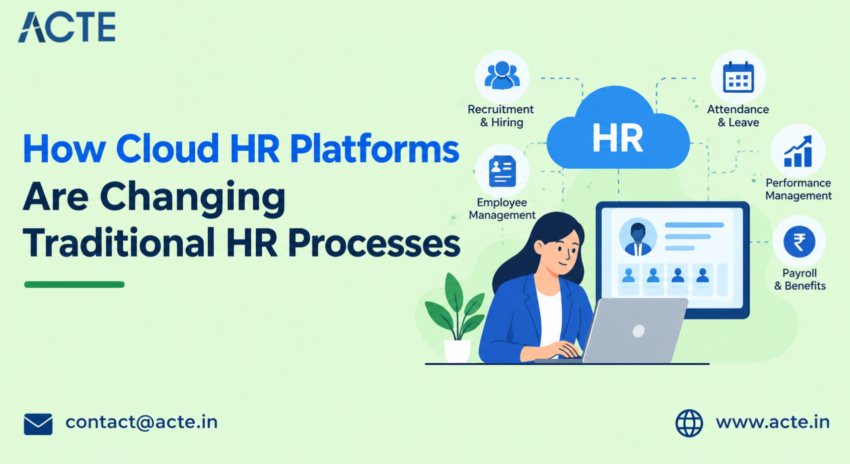
The growing use of digital technology is transforming the way organizations handle human resource management. Traditional HR departments often depend on paperwork, manual calculations, and separate systems to manage employee information and workplace activities. These processes can increase workloads and delay SAP Success Factors Course in Chennai important decisions. Cloud HR platforms are changing this approach by providing centralized digital tools that simplify employee management. From recruitment and payroll to performance tracking and workforce planning, these solutions help businesses improve efficiency and adapt to changing workplace requirements.
What Makes Cloud HR Platforms Different?
Cloud HR platforms are online applications that help organizations manage employee-related activities through a single digital environment. They combine essential functions such as employee records, attendance management, payroll administration, recruitment, and performance evaluation. Unlike conventional systems that may depend on local servers or physical documents, cloud-based solutions allow authorized users to access information through internet-connected devices. This makes HR services easier to manage across departments, offices, and remote working environments.
Transforming Routine HR Operations
Traditional HR teams frequently spend hours managing employee files, updating attendance records, calculating payroll information, and processing leave requests. Cloud HR platforms simplify these responsibilities through automation and digital workflows. Employees can submit requests online, managers can approve them electronically, and HR teams can access updated records whenever required. Automated reminders and notifications also help prevent missed deadlines. By reducing repetitive administrative activities, organizations can improve accuracy, save time, and allocate more resources to employee support and strategic planning.
Enhancing Recruitment and Onboarding Processes
Recruitment is another area experiencing significant changes through cloud technology. HR professionals can maintain candidate profiles, organize applications, schedule interviews, and monitor hiring activities using centralized tools. This improves communication between recruiters and hiring managers while making recruitment progress easier to track. Cloud-based onboarding features further simplify the joining process by allowing new employees to complete digital forms, access company guidelines, and participate in introductory training. These SAP Success Factors Course in Bangalore improvements help organizations create a more organized hiring experience.

Improving Employee Engagement and Self-Service
Cloud HR platforms give employees greater access to workplace services through self-service portals. Instead of contacting HR for every routine requirement, employees can check payslips, view leave balances, update personal details, and access organizational policies independently. Managers can also review team information and respond to requests more conveniently. These features improve SAP Success Factors Course in Hyderabad transparency, reduce unnecessary communication delays, and support employees working from different locations. As a result, HR teams can dedicate more attention to employee concerns, engagement, and development.
Using Workforce Analytics for Better Planning
Modern cloud HR systems provide reporting and analytics features that help businesses make informed decisions. Organizations can examine employee turnover, attendance patterns, recruitment outcomes, and training participation through digital dashboards. These insights help HR managers identify workforce challenges, estimate future staffing needs, and develop employee retention strategies. Access to organized and updated information also improves the ability to measure HR performance and identify opportunities for operational improvement.
Managing Security and Implementation
Adopting cloud HR technology requires careful planning and responsible data management. Since these systems contain confidential employee information, organizations should prioritize encryption, secure login methods, access permissions, and regular SAP Success Factors Online Course data backups. Businesses must also consider implementation costs, software integration, and employee training. Providing adequate guidance and establishing clear procedures can help employees adapt to the new system while maintaining reliable HR operations.
Conclusion
Cloud HR platforms are changing traditional HR processes by reducing manual work, improving recruitment, simplifying employee services, and supporting data-driven workforce planning. They enable organizations to manage employee information more efficiently while creating a more accessible workplace experience. Although security and implementation challenges require attention, the right cloud solution can deliver meaningful operational benefits. As digital transformation continues, cloud HR platforms will play an increasingly important role in helping businesses build flexible, efficient, and employee-focused workplaces.