

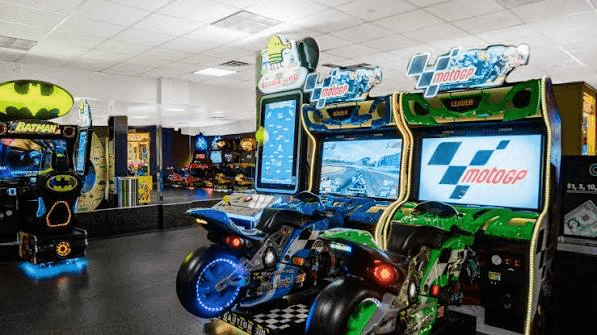
Creating an attractive arcade gaming space involves more than installing a collection of games. The layout, machine selection, lighting, comfort, and overall atmosphere all influence how visitors experience the venue. A well-planned arcade encourages people to explore different games, spend more time playing, and return for future visits.
Whether you are developing a new gaming zone or improving an existing entertainment space, focusing on these essential elements can help create an enjoyable environment for different age groups.
1. Understand Your Target Audience
Before choosing machines or planning the layout, identify the customers you want to attract. A family entertainment centre may need games suitable for children, teenagers, and adults, while a gaming lounge focused on young adults may benefit from competitive and skill-based experiences.
Consider the age groups, interests, and spending habits of your expected visitors. This information helps you select games that match their preferences and make the space appealing to a wider audience.
Understanding your audience also helps determine the right balance between casual entertainment, competitive gaming, and multiplayer experiences.
2. Select a Balanced Range of Arcade Games
Variety is essential for keeping visitors interested. A gaming space with only one type of machine may appeal to a limited audience, whereas a balanced collection can encourage people to try different experiences.
Consider including:
-
Racing games for players who enjoy speed and competition.
-
Basketball and other sports games for skill-based challenges.
-
Air hockey and similar multiplayer games for social interaction.
-
Prize and redemption games for visitors who enjoy earning rewards.
-
Interactive games that appeal to families and younger players.
When exploring Arcade Game Machines in Bangalore, compare available options based on gameplay, durability, maintenance requirements, and suitability for your intended audience.
Choose machines that complement one another instead of filling the venue with similar experiences. This approach helps create a gaming space where different visitors can find something enjoyable.
3. Plan the Layout for Easy Movement
A good arcade layout makes the venue comfortable, accessible, and easy to navigate. Visitors should be able to move between machines without crowding or interrupting other players.
Place larger machines where they have enough room for operation and player movement. Keep entrances, walkways, and emergency exits clear. Group games with similar requirements together, such as racing machines in one section and multiplayer games in another.
Leave enough space for people waiting to play. During busy periods, poorly arranged queues can block access to nearby machines and reduce customer satisfaction.
A practical layout should also allow staff to monitor the gaming area and assist customers when necessary.
4. Use Lighting and Sound Effectively
Lighting and sound help establish the atmosphere of an arcade. Colourful displays, illuminated machines, and suitable background music can make the venue feel energetic and inviting.
However, the environment should remain comfortable. Excessive sound from multiple machines can make communication difficult, particularly in smaller spaces. Arrange machines thoughtfully and consider acoustic treatments where necessary.
Use lighting to highlight popular games and important areas without creating glare on screens. Clear lighting around walkways, payment counters, and entrances also improves visibility and convenience.
The objective is to create an exciting atmosphere without making the space overwhelming.
5. Work With Reliable Equipment Suppliers
Machine quality influences gameplay, operating costs, and customer satisfaction. Before purchasing equipment, review its build quality, expected usage, service requirements, and availability of replacement parts.
Businesses comparing Arcade Game Machine Suppliers in Kochi should ask about installation support, warranty coverage, maintenance assistance, and spare-part availability. These details can help you assess the long-term value of an investment rather than focusing only on the initial purchase price.
It is also helpful to understand the operating requirements of each machine, including electrical connections, floor space, and routine servicing needs.
Reliable equipment and accessible technical support can reduce disruptions and help keep the gaming area operational.
6. Make the Venue Comfortable for Visitors
Comfort can influence how long customers choose to stay. If space permits, provide seating for companions and people waiting for their turn. Keep the area clean, maintain suitable ventilation, and ensure the machines are easy to access.
Clear instructions can help first-time players understand how to use each game. Display prices and payment options where customers can see them before playing.
For family-oriented venues, consider placing age-appropriate games in convenient sections and making it easy for parents to supervise children.
Small improvements to convenience can make the overall experience more enjoyable.
7. Maintain Machines and Monitor Performance
Regular maintenance helps prevent avoidable breakdowns and keeps games performing consistently. Create a schedule for cleaning screens, inspecting controls, checking connections, and testing payment systems.
Respond quickly when customers report problems. A machine that accepts payment but fails to start can damage trust and create unnecessary frustration.
Track performance indicators such as machine usage, maintenance frequency, customer feedback, and revenue. This information can help identify popular games and equipment that may need attention or replacement.
Use these findings to make gradual improvements instead of relying entirely on assumptions.
Conclusion
Designing an engaging arcade gaming space requires careful planning, suitable equipment, and attention to the customer experience. By selecting a varied range of games, organising the layout effectively, creating a comfortable atmosphere, and maintaining machines regularly, businesses can build a venue that appeals to different audiences.
A well-designed arcade is not simply a collection of machines. It is an entertainment environment that encourages visitors to play, interact, and return.