

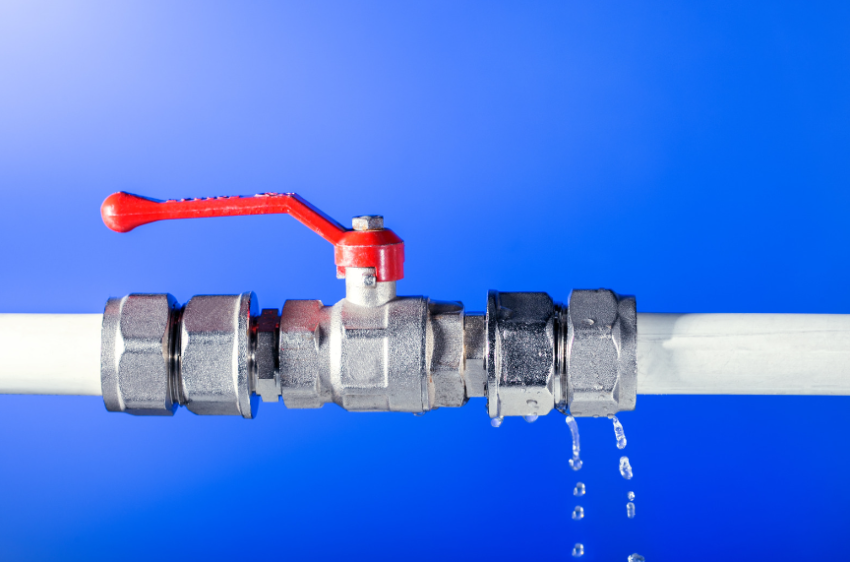
A roof leak rarely starts as a major problem. It may begin with a small ceiling stain, damp patch, dripping water after heavy rain or paint that keeps peeling. By the time the problem becomes obvious indoors, water may already have travelled through roof joints, concrete, flashing or other vulnerable areas.
For property owners considering roof waterproofing singapore solutions, the priority should be more than simply covering the visible leak. The roof needs to be inspected properly, the likely source of water ingress identified, and the waterproofing approach selected according to the roof type and condition.
Choosing the right waterproofing contractor singapore property owners can rely on is equally important. A suitable contractor should be able to explain the cause of the problem, recommend an appropriate solution and provide a clear quotation before work begins.
What Is Roof Waterproofing?
Roof waterproofing is the process of protecting a roof system against water penetration by using suitable waterproofing membranes, coatings, sealants or related repair systems.
The objective is not simply to make the roof surface look new. Effective waterproofing should address areas where water can enter and help protect the building below from recurring leakage and moisture damage.
Allstar Waterproofing provides roof waterproofing for different roof types, including metal roofs, tiled roofs and flat concrete roofs. Its approach begins with inspection so that visible and less obvious problem areas can be assessed before a solution is recommended. Allstar Waterproofing & Services
Why Do Roofs Leak in Singapore?
Singapore’s weather creates demanding conditions for exposed roofs. Heavy rainfall, humidity, strong sunlight and repeated changes in temperature can gradually affect roofing materials and joints.
Different roof types also have their own common weaknesses.
For example, metal roofs can experience expansion and contraction, which may affect flashing, capping and fasteners over time. Oxidation can also weaken exposed metal surfaces. Tiled roofs may develop cracked or displaced tiles, while concrete roofs can develop cracks or deterioration that allow water to enter.
Drainage should also be considered. Water that remains around vulnerable areas because of blocked or inadequate drainage can increase the risk of seepage.
This is why a roof inspection should look beyond the exact point where water becomes visible inside the property.
When Should You Consider Roof Waterproofing Singapore Services?
The appearance of water damage is a strong reason to have the roof assessed, but you do not necessarily need to wait until a serious leak develops.
Some signs that may indicate a roofing or waterproofing issue include:
- Water stains or discolouration on ceilings
- Damp areas appearing after rain
- Peeling paint around upper floors
- Mould or persistent moisture
- Water dripping during or shortly after heavy rain
- Cracked roof surfaces or deteriorated joints
- Damaged flashing, capping or fasteners
- Visible deterioration of waterproofing layers
A recurring leak is particularly worth investigating. Repainting the affected ceiling may improve its appearance temporarily, but it does not necessarily stop water from entering the building.
The source can also be difficult to identify because water may travel from the original entry point before becoming visible indoors. Allstar’s roof leakage service therefore focuses on identifying the source rather than treating only the visible symptom. Allstar Waterproofing & Services
How Does a Professional Roof Waterproofing Process Work?
A professional waterproofing project generally starts with understanding the existing condition rather than immediately applying a coating.
1. Roof inspection
The contractor examines the roof surface, joints, penetrations, drainage areas and other potential entry points. Depending on the roof type, different defects may need to be investigated.
2. Identify the likely source
The visible leak may not be the actual point where water enters. A proper assessment considers how water could be travelling through the roof system or building structure.
3. Recommend the appropriate solution
The waterproofing method should reflect the roof material, extent of damage and exposure conditions. A suitable system may involve repair work, membranes, coatings, sealants or other compatible materials.
4. Prepare the surface
Surface preparation is an important part of waterproofing. Damaged or unsuitable areas may need to be repaired, cleaned or prepared before waterproofing materials are applied.
5. Apply the waterproofing system
The selected system is then applied according to the project’s requirements and the material’s application specifications.
6. Inspect the completed work
The completed area should be checked to ensure that the required repair and waterproofing works have been properly carried out.
Allstar states that straightforward cases may receive an on-site quotation, while more complex projects can receive a detailed proposal within one to three working days. Allstar Waterproofing & Services
How to Choose a Waterproofing Contractor Singapore Property Owners Can Trust
Not every waterproofing project is the same, so comparing contractors based only on price can be misleading.
A contractor should be able to explain what is causing the problem and why a particular solution is recommended.
Here are several practical questions to ask before engaging one:
Does the contractor inspect the roof first?
An inspection provides a better basis for understanding the problem than quoting from photographs alone. Allstar offers a free comprehensive inspection as part of its roof waterproofing service. Allstar Waterproofing & Services
Is the quotation clear?
A detailed quotation should explain the scope of work, materials, areas being treated and relevant conditions. Allstar states that its quotations are designed to provide clear pricing without hidden costs. Allstar Waterproofing & Services
Does the contractor have experience with your roof type?
Metal, tiled and concrete roofs can have different failure points. Experience across different roofing systems can help when diagnosing the cause of water ingress.
Is there a workmanship warranty?
Ask what happens if leakage returns after the repair. Allstar states that its roof waterproofing repair solutions come with a one-year warranty, with extended warranty options available for discussion. Allstar Waterproofing & Services
Can the contractor handle related repairs?
Sometimes waterproofing alone is not enough. Roof repairs, concrete defects, flashing, joints or other structural issues may need attention before waterproofing can be effective.
How Much Does Roof Waterproofing Cost?
There is no single price that applies to every roof waterproofing project.
The final cost can depend on factors such as roof size, roof type, accessibility, existing damage, surface preparation, materials required and the complexity of the repair.
For this reason, a professional site assessment is generally more useful than choosing a contractor based on an advertised starting price.
A detailed inspection can help determine whether the property needs a relatively straightforward waterproofing treatment or more extensive repair work before the waterproofing system is installed.
Frequently Asked Questions
Q1. What is roof waterproofing used for?
Roof waterproofing helps reduce water penetration through vulnerable roof surfaces and joints. It can involve membranes, coatings, sealants or other suitable systems depending on the roof construction and condition. The correct approach should address the likely source of water ingress rather than simply cover visible stains.
Q2. How do I know if my roof needs waterproofing?
Recurring leaks, ceiling stains, damp patches, mould, peeling paint and visible roof deterioration can indicate a waterproofing or roofing problem. However, these symptoms do not identify the exact cause. A professional inspection can help determine whether waterproofing, roof repair or another solution is required.
Q3. Can roof waterproofing stop an existing leak?
It can, when the waterproofing system is appropriate for the actual source of the leak and the surface has been properly prepared. If the problem involves damaged flashing, cracked concrete, broken tiles or other defects, those issues may need to be repaired as part of the overall solution.
Q4. How should I choose a waterproofing contractor in Singapore?
Look for a contractor with relevant experience, clear quotations, proper inspection procedures and a defined warranty. It is also useful to ask whether the contractor has experience with your specific roof type and can handle related roof repair or leakage problems.
Q5. Does Singapore’s weather affect roof waterproofing?
Yes. Roofs are exposed to rainfall, humidity and strong sunlight throughout the year. These conditions can contribute to deterioration of roofing materials, joints, sealants and protective layers. The waterproofing approach should therefore be suitable for the property’s exposure and existing roof condition.
Q6. Should I repair the roof before waterproofing?
It depends on the condition of the roof. If there are damaged tiles, deteriorated flashing, cracks or other defects that allow water to enter, those issues may need to be addressed before or as part of the waterproofing work. Applying a coating over a damaged surface may not solve the underlying problem.
Q7. Is the cheapest waterproofing quote the best option?
Not necessarily. A lower quotation may cover a different scope of work, material specification or level of surface preparation. Compare the actual work included, recommended materials, warranty and diagnosis of the problem rather than looking at the final price alone.
Conclusion
Effective roof protection starts with understanding why water is entering the building. For roof waterproofing singapore projects, the right solution depends on the roof type, surface condition, source of leakage and environmental exposure.
A reliable waterproofing contractor singapore property owners choose should therefore do more than apply a waterproofing coating. Proper inspection, clear recommendations, suitable materials, quality workmanship and a transparent quotation all play a role in achieving a more dependable result.
For property owners dealing with recurring roof leaks, the most practical first step is to have the roof professionally assessed before deciding which waterproofing system to use.