
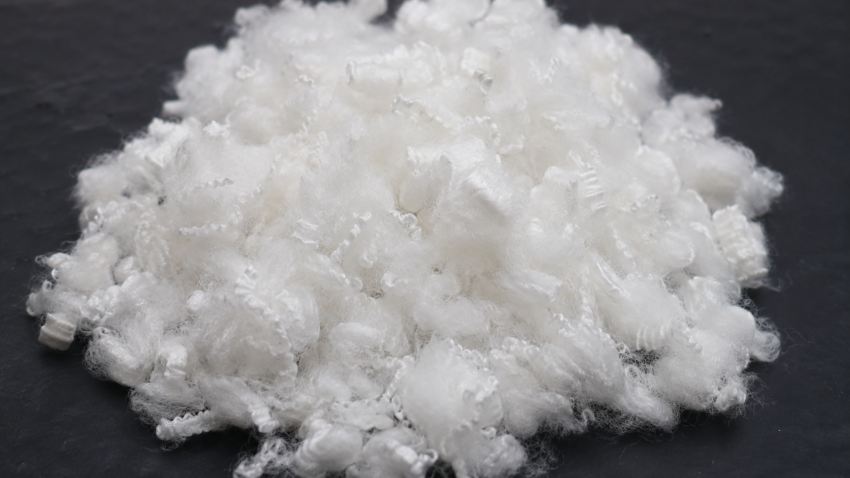
The Acrylic Staple Fibre Price Trend has become an important topic for manufacturers, textile businesses, traders, and buyers who depend on stable raw material costs. Acrylic staple fibre is widely used in clothing, blankets, carpets, upholstery, knitting yarn, and many other textile products because it offers warmth, softness, and durability at an affordable cost. Since this material is used in many industries, its prices often change due to different market conditions. Understanding the Acrylic Staple Fibre Price Trend helps businesses make better purchasing decisions, plan production, and manage costs more effectively. Along with tracking the trend, many companies also follow Acrylic Staple Fibre Prices, the Acrylic Staple Fibre Price Chart, and the Acrylic Staple Fibre Price Index to understand how the market is performing over time.
What Is Acrylic Staple Fibre?
Acrylic staple fibre is a synthetic fibre produced mainly from acrylonitrile. It is designed to provide many of the qualities of natural wool while being lighter and more affordable. Because of its soft texture, excellent insulation, and resistance to wrinkles and sunlight, it is commonly used in the textile industry.
Many manufacturers prefer acrylic staple fibre because it is easy to process, holds color well, and offers long-lasting performance. It is used in sweaters, winter wear, socks, blankets, upholstery fabrics, carpets, stuffed toys, and industrial textile products.
👉👉👉Please Submit Your Query For Acrylic Staple Fibre Price Trend, Market Analysis and Forecast: https://www.price-watch.ai/book-a-demo/
Why Does the Acrylic Staple Fibre Price Trend Change?
The Acrylic Staple Fibre Price Trend changes due to a combination of supply, demand, production costs, and global economic conditions. No single factor controls the market. Instead, several elements work together to influence prices.
One of the biggest reasons is the cost of raw materials. Since acrylic staple fibre is produced using petrochemical-based materials, fluctuations in crude oil and chemical feedstock prices directly affect manufacturing costs. When raw material prices increase, the final fibre price usually follows.
Another important factor is energy cost. Manufacturing synthetic fibres requires electricity, steam, and fuel. Rising energy expenses often increase production costs, leading to higher market prices.
Demand from textile manufacturers also plays a major role. During periods of strong consumer demand for winter clothing, blankets, and home furnishings, manufacturers purchase larger quantities of fibre, which can support higher prices.
The Importance of Acrylic Staple Fibre Prices
Monitoring Acrylic Staple Fibre Prices helps businesses understand the overall health of the textile supply chain. Buyers who regularly follow pricing can decide the right time to purchase raw materials, negotiate contracts, or build inventory before prices rise.
Suppliers also benefit by understanding market demand and adjusting production schedules accordingly. Stable pricing creates confidence for both manufacturers and customers, while sudden price changes often require businesses to revise budgets and pricing strategies.
Many companies monitor Acrylic Staple Fibre Prices every week or every month to remain competitive in their markets.
Supply and Demand Influence the Market
Supply and demand remain the foundation of every commodity market, including acrylic staple fibre.
When factories operate smoothly and production is high, supply usually remains healthy. If demand stays stable, prices often remain balanced.
However, if production is interrupted because of maintenance, shortages of raw materials, transportation delays, or unexpected shutdowns, supply may decrease. Lower supply combined with steady demand often pushes prices upward.
Similarly, when textile production slows or consumer demand falls, buyers may reduce purchases, leading to softer prices in the market.
This constant balance between supply and demand shapes the overall Acrylic Staple Fibre Price Trend throughout the year.
Global Trade Has a Strong Impact
The acrylic staple fibre market is connected to international trade. Many countries import raw materials while others export finished fibre.
Shipping costs, port congestion, exchange rate fluctuations, and international trade policies all influence final product pricing.
If freight charges rise significantly, imported fibre becomes more expensive. Likewise, currency movements may affect import and export competitiveness.
Because the textile industry operates globally, businesses carefully monitor international developments to better understand future price movements.
Seasonal Demand and Market Activity
Seasonal buying patterns also influence the Acrylic Staple Fibre Price Trend.
Demand often increases before winter seasons because manufacturers prepare sweaters, jackets, blankets, gloves, and other cold-weather products. During these periods, production usually rises, creating stronger demand for acrylic staple fibre.
On the other hand, during slower production seasons, manufacturers may purchase smaller quantities, causing market activity to cool.
Festive seasons in different countries can also influence textile production and therefore affect raw material demand.
Why Businesses Follow the Acrylic Staple Fibre Price Chart
The Acrylic Staple Fibre Price Chart provides a visual picture of historical price movements. Instead of looking at individual daily prices, businesses can easily identify whether prices have been rising, falling, or remaining stable over weeks, months, or years.
A price chart helps purchasing managers identify trends and compare current prices with previous market conditions.
Companies often use the Acrylic Staple Fibre Price Chart during budgeting, supplier negotiations, inventory planning, and long-term procurement strategies.
By reviewing price charts regularly, businesses can make more informed purchasing decisions rather than reacting only to short-term market changes.
Understanding the Acrylic Staple Fibre Price Index
The Acrylic Staple Fibre Price Index is another useful market indicator. It measures overall price movement over a specific period instead of focusing on a single transaction.
Businesses use the Acrylic Staple Fibre Price Index to compare market performance between different months or years.
A rising index generally indicates stronger market prices, while a declining index may reflect weaker demand or improved supply conditions.
For manufacturers, traders, and procurement teams, the price index provides valuable information that supports long-term business planning.
Industries That Depend on Acrylic Staple Fibre
Many industries rely on acrylic staple fibre every day.
The fashion industry uses it for sweaters, scarves, gloves, hats, socks, and knitted garments. Home furnishing manufacturers use it in blankets, upholstery fabrics, carpets, and cushions.
Industrial textile producers also use acrylic fibres for specialized applications requiring durability and lightweight performance.
Because these industries operate continuously throughout the year, changes in production levels directly affect the Acrylic Staple Fibre Price Trend.
Factors Businesses Should Watch
Companies involved in buying acrylic staple fibre often monitor several important market indicators.
These include crude oil prices, raw material availability, energy costs, transportation expenses, factory operating rates, textile demand, import-export activity, seasonal buying, and government policies affecting manufacturing or trade.
Keeping track of these factors allows businesses to anticipate possible market movements before they occur.
Rather than reacting after prices change, experienced buyers try to understand the reasons behind every market movement.
Future Outlook for the Acrylic Staple Fibre Market
The future outlook for acrylic staple fibre remains positive because demand for affordable, comfortable, and durable textile products continues worldwide.
Growing populations, increasing urbanization, expanding textile manufacturing, and rising consumer demand for home furnishing products are expected to support long-term market growth.
However, future prices will continue to depend on raw material availability, production costs, global trade conditions, and economic activity.
Businesses that regularly monitor the Acrylic Staple Fibre Price Trend, Acrylic Staple Fibre Prices, Acrylic Staple Fibre Price Chart, and Acrylic Staple Fibre Price Index will be better prepared to respond to changing market conditions and make smarter purchasing decisions.
Conclusion
The Acrylic Staple Fibre Price Trend reflects the combined impact of raw material costs, production expenses, supply and demand, global trade, seasonal buying, and overall economic conditions. While prices may move up or down over time, understanding the reasons behind these changes helps businesses plan more effectively and reduce uncertainty.
Following Acrylic Staple Fibre Prices provides valuable insight into daily market conditions, while the Acrylic Staple Fibre Price Chart offers a clear view of historical price movements. At the same time, the Acrylic Staple Fibre Price Index helps businesses evaluate long-term market performance and compare pricing over different periods.
Whether you are a manufacturer, trader, textile producer, or procurement professional, regularly monitoring these market indicators can improve purchasing strategies, strengthen cost planning, and support better business decisions in a constantly changing marketplace.
👉👉👉Please Submit Your Query For Acrylic Staple Fibre Price Trend, Market Analysis and Forecast: https://www.price-watch.ai/book-a-demo/
About Price Watch™ AI
Price-Watch AI is an India-based, independent raw material price reporting agency that provides real-time price forecasts and data-driven insights into global raw material markets. Price-Watch AI specializes in tracking raw material prices, analyzing market trends, and delivering timely updates on plant shutdowns, supply disruptions, capacity expansions, and demand-supply dynamics. The Price-Watch AI platform empowers manufacturers, traders, and procurement professionals to make faster, smarter decisions. Leveraging AI-powered forecasting and over a decade of historical data, Price-Watch AI transforms market volatility into actionable opportunity.
Futura Tech Park,
C Block, 8th floor 334,
Old Mahabalipuram Road,
Sholinganallur, Chennai, Tamil Nadu, Pincode – 600119.
𝐋𝐢𝐧𝐤𝐞𝐝𝐈𝐧: https://www.linkedin.com/company/price-watch-ai/
𝐅𝐚𝐜𝐞𝐛𝐨𝐨𝐤: https://www.facebook.com/people//61568490385598/
𝐓𝐰𝐢𝐭𝐭𝐞𝐫: https://x.com/pricewatchai
𝐖𝐞𝐛𝐬𝐢𝐭𝐞: https://www.price-watch.ai/