
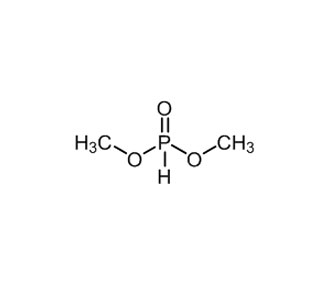
CAS No. 762-04-9 refers to Diphenylphosphoryl Azide (DPPA), a highly versatile reagent widely used in pharmaceutical synthesis, peptide bond formation, and fine chemical manufacturing. In the chemical and pharmaceutical industry, selecting reliable CAS NO 762-04-9 Manufacturers ensures consistent product quality, safety, and compliance with regulatory standards. Because of its strong reactivity and effectiveness in producing key intermediates, DPPA has become an essential compound in both research laboratories and large-scale production environments.
What is CAS No. 762-04-9 (Diphenylphosphoryl Azide)?
Diphenylphosphoryl Azide is an azide-based phosphorylating agent known for its ability to facilitate amide bond formation, often replacing traditional coupling reagents. It is particularly valued in complex synthesis processes where high purity, minimal byproducts, and efficient reaction yields are needed.
Key Properties
- Chemical Formula: C12H10N3O2P
- Appearance: Clear to pale yellow liquid
- Stability: Moisture sensitive; requires controlled storage
- Reactivity: Effective in peptide coupling and Curtius rearrangements
Applications in the Pharmaceutical Industry
One of the most significant uses of Diphenylphosphoryl Azide lies in pharmaceutical intermediate manufacturing. DPPA plays a vital role in forming amide and peptide bonds, which are essential structural units found in numerous active pharmaceutical ingredients (APIs).
In peptide drug synthesis, DPPA helps link amino acids efficiently, supporting the creation of peptides and peptide-based medications. It is also commonly used in the development of API intermediates where chemical structures need to be built progressively and accurately. Furthermore, in reactions such as the Curtius rearrangement, DPPA enables the smooth conversion of carboxylic acids into isocyanates, which then form amines — an important step in medicinal chemistry. Additionally, in small molecule research and development, DPPA is valued for enabling complex structural transformations while maintaining reaction efficiency.
Role in Fine Chemical Production
Diphenylphosphoryl Azide is widely used in the fine chemicals sector, where precision and purity are essential. It enables the production of specialty compounds, dyes, agrochemicals, and functionalized organic molecules. The reagent’s ability to generate isocyanates, ureas, and azides adds exceptional value to multi-step chemical synthesis processes.
Fine chemical companies prefer DPPA because:
- It reduces reaction time
- It produces consistent yields
- It supports scalable production processes
Use in Organic Synthesis and Research
In organic synthesis laboratories, CAS No. 762-04-9 is a standard reagent for:
- Peptide coupling reactions
- Synthesis of heterocycles
- Modification of amino acids
- Curtius rearrangement pathways
It also assists in forming carbamate and urea derivatives, which are widely required in medicinal chemistry research.
CAS NO 762-04-9 Manufacturers play a crucial role in ensuring the reagent is available in high purity grades suitable for pharmaceutical and research use.
Safety, Handling, and Storage Guidelines
Because Diphenylphosphoryl Azide is moisture-sensitive and reactive, proper handling is essential.
- Store in airtight containers
- Maintain temperature below ambient levels
- Use chemical-resistant protective gear
- Ensure handling in well-ventilated laboratory/production areas
Following standard safety guidelines ensures operational efficiency and chemical stability during storage and usage.
Conclusion
Diphenylphosphoryl Azide (CAS No. 762-04-9) has become a cornerstone reagent in pharmaceutical synthesis, fine chemical manufacturing, and organic chemistry research, especially in peptide coupling and Curtius rearrangements. Its effectiveness, efficiency, and compatibility make it a preferred choice across multiple industries, from lab-scale R&D to industrial bulk production. Reliable CAS NO 762-04-9 Manufacturers help ensure consistent quality, regulatory compliance, and on-time supply, enabling smooth chemical development and manufacturing processes.
Other Recommendations: Diisopropyl Carbodiimide Manufacturers In India