
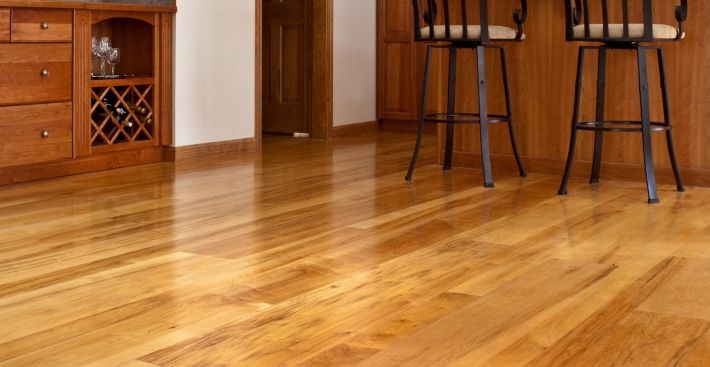
When it comes to upgrading your home’s flooring, one of the most popular modern choices is hardwood engineered flooring. It offers the natural beauty of real wood while providing better durability, stability, and versatility than traditional solid hardwood. As homeowners increasingly look for stylish yet practical solutions, engineered hardwood has become a preferred option for both new builds and renovation projects.
In this blog, we’ll explore the key benefits of choosing hardwood engineered flooring for your home and why it might be the perfect investment for your space.
What Is Hardwood Engineered Flooring?
Hardwood engineered flooring is made up of multiple layers of wood materials. The top layer is a thin slice of real hardwood, while the inner layers are made from high-quality plywood or fiberboard. These layers are bonded together using heat and pressure, creating a strong and stable flooring material.
Unlike solid hardwood, which is made from a single piece of wood, engineered flooring is designed to resist expansion and contraction caused by changes in temperature and humidity.
1. Natural Wood Appearance at a Lower Cost
One of the biggest advantages of engineered hardwood flooring is that it looks just like solid wood. Because the top layer is real hardwood, you still get the authentic grain patterns, textures, and rich finishes that make wood flooring so desirable.
However, engineered flooring is generally more affordable than solid hardwood. This allows homeowners to enjoy a luxurious look without exceeding their budget.
2. Greater Stability in Changing Conditions
Traditional hardwood floors can expand, contract, or warp when exposed to moisture or temperature changes. This makes them less suitable for certain environments.
Engineered hardwood, on the other hand, is specifically designed to handle these changes. Its layered construction provides stability, making it less likely to swell or shrink. This makes it ideal for:
- Kitchens
- Basements
- Areas with underfloor heating
- Homes in humid or coastal regions
This stability ensures your flooring stays smooth and even for years.
3. Versatility in Installation
Another major benefit of hardwood engineered flooring is its installation flexibility. It can be installed in several ways, including:
- Floating installation
- Glue-down method
- Nail-down method
This makes it suitable for almost any type of subfloor, including concrete, plywood, or existing flooring. Homeowners and contractors appreciate this versatility because it reduces installation time and effort.
4. Suitable for Multiple Rooms
Unlike some traditional hardwood floors that are not recommended for moisture-prone areas, engineered hardwood can be used in a wider range of spaces.
It works well in:
- Living rooms
- Bedrooms
- Hallways
- Kitchens
- Basements
This allows homeowners to create a consistent flooring design throughout the house, enhancing overall interior aesthetics.
5. Durability and Long Lifespan
Hardwood engineered flooring is built to last. Its multi-layer construction adds strength and resistance against wear and tear. The top hardwood layer is often treated with protective finishes that resist scratches, stains, and daily foot traffic.
While it may not be as thick as solid hardwood, many engineered floors can still be refinished once or twice, extending their lifespan significantly.
For families with children or pets, this durability makes it a practical choice.
6. Easy Maintenance
Maintaining engineered hardwood flooring is relatively simple. Regular sweeping or vacuuming helps remove dust and debris, while occasional mopping keeps the surface clean and fresh.
Unlike carpets, it does not trap allergens, making it a more hygienic option for homes. Additionally, modern finishes protect the surface from spills and stains, reducing the need for intensive cleaning routines.
7. Eco-Friendly Choice
Engineered hardwood flooring is often considered more environmentally friendly than solid wood flooring. Since only a thin layer of hardwood is used on top, less natural wood is required overall.
This helps reduce deforestation and makes better use of available timber resources. Many manufacturers also use sustainable production practices, making it a greener flooring option for environmentally conscious homeowners.
8. Wide Range of Styles and Finishes
Another appealing feature of engineered hardwood flooring is the variety of designs available. Homeowners can choose from different:
- Wood species (oak, maple, walnut, etc.)
- Colors (light, medium, dark tones)
- Surface textures (smooth, hand-scraped, wire-brushed)
- Finishes (matte, satin, glossy)
This variety makes it easy to match flooring with any interior design style, whether modern, rustic, or traditional.
9. Adds Value to Your Home
Installing hardwood engineered flooring can increase the resale value of your property. Buyers often prefer homes with wooden flooring because it looks elegant and is easy to maintain.
Engineered hardwood offers the same visual appeal as solid wood, making it an attractive feature for potential buyers while also providing long-term return on investment.
10. Compatible with Underfloor Heating
Unlike solid hardwood, engineered flooring works well with underfloor heating systems. Its layered structure allows it to handle heat changes more effectively without warping.
This makes it a popular choice for modern homes that prioritize comfort and energy efficiency.
Final Thoughts
Hardwood engineered flooring offers a perfect balance of beauty, durability, and practicality. It provides the natural look of real wood while overcoming many limitations of traditional hardwood, such as moisture sensitivity and installation restrictions.
From improved stability and easy maintenance to design versatility and eco-friendliness, the benefits make it a smart investment for almost any home.
If you’re planning a renovation or building a new home, engineered hardwood flooring is definitely worth considering as a stylish and long-lasting flooring solution.