

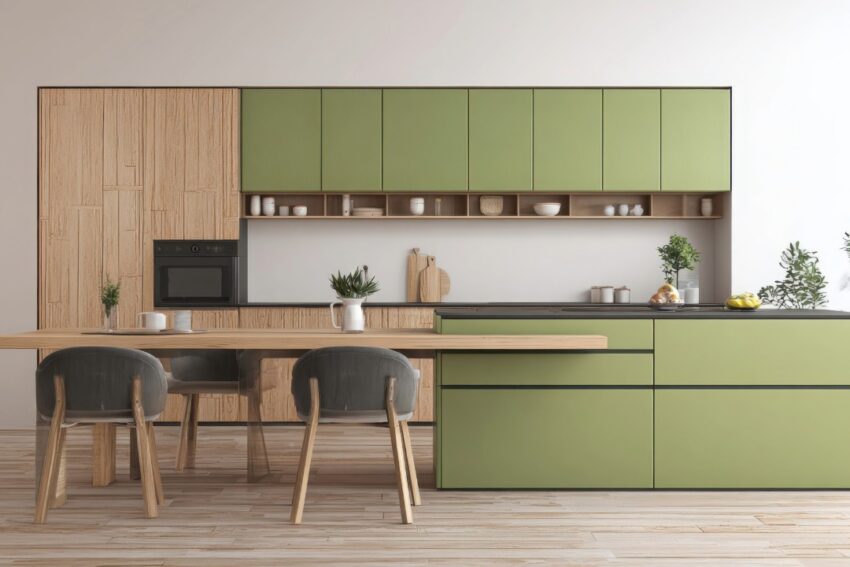
A best modular kitchen combines smart space planning, organized storage, durable materials, practical accessories, and an attractive design. Rather than focusing only on appearance, a well-designed modular kitchen should support everyday cooking, cleaning, storage, and movement. Since modular kitchens are created from individual cabinet units, they can be arranged according to the available space and specific household requirements.
Before selecting a design, Is a Modular Kitchen Worth the Investment? (Complete Analysis) is an important consideration. A modular kitchen can offer organized storage, flexible layouts, modern finishes, and convenient features when it is planned carefully. The overall value depends on the quality of materials, hardware, storage solutions, workmanship, and how well the design matches the way the kitchen is used.
Choose the Right Kitchen Layout
The layout forms the foundation of an efficient modular kitchen. Straight, L-shaped, U-shaped, parallel, peninsula, and island layouts can be selected according to the room’s size and configuration.
A suitable layout should provide comfortable movement between preparation, cooking, washing, and storage areas. The placement of appliances and work surfaces should also be considered during the planning stage.
Focus on Functional Storage
The best modular kitchen should make storage convenient rather than simply adding more cabinets. Base cabinets, wall units, tall pantry cabinets, drawers, and open shelves can be combined to accommodate different types of kitchen essentials.
Deep drawers can be used for cookware, while smaller drawers can organize cutlery and frequently used utensils.
Select Durable Cabinet Materials
Cabinet materials influence the durability, appearance, and maintenance requirements of a modular kitchen. Options can include plywood, HDHMR, MDF, laminates, acrylic, veneer, PU, and other materials.
The right choice depends on the cabinet’s location, moisture exposure, storage load, cleaning requirements, budget, and desired finish.
Use Smart Kitchen Accessories
Modern accessories can make cabinets considerably easier to use. Pull-out baskets, bottle racks, corner mechanisms, cutlery organizers, pantry systems, waste bins, and under-sink storage can improve organization.
Accessories should be selected according to actual storage needs so that the kitchen remains practical rather than unnecessarily complicated.
Maximize Vertical Space
Vertical storage is particularly useful when floor space is limited. Tall cabinets and overhead units can increase storage capacity without taking up additional floor area.
Less frequently used cookware and supplies can be stored in higher compartments, while everyday essentials can remain within easy reach.
Make Corners Useful
Kitchen corners can become difficult-to-access areas without suitable planning. Corner drawers, rotating shelves, carousel systems, and pull-out mechanisms can help turn these spaces into useful storage.
Efficient corner planning can increase cabinet capacity while maintaining a clean kitchen layout.
Choose the Right Cabinet Finish
The cabinet finish has a major influence on the overall appearance of the kitchen. Matte laminates, glossy surfaces, acrylic, veneer, PU, glass, and wood-inspired finishes can create different styles.
A balanced combination of colors and textures can complement countertops, backsplashes, flooring, walls, and lighting.
Integrate Appliances
A modern modular kitchen should accommodate appliances as part of the overall design. Ovens, microwaves, refrigerators, dishwashers, chimneys, and hobs can be planned into dedicated cabinet spaces.
Proper appliance integration helps maintain an organized appearance and ensures that the kitchen workflow remains convenient.
Invest in Quality Hardware
Cabinet hardware affects everyday usability. Hinges, drawer channels, handles, lift-up systems, and pull-out mechanisms should be chosen according to cabinet size and expected usage.
Smooth-operating and durable hardware can make frequently used cabinets more convenient and contribute to long-term performance.
Plan Lighting Carefully
Good lighting can improve both functionality and appearance. General ceiling lighting can illuminate the overall kitchen, while task lighting beneath wall cabinets can provide additional visibility over countertops.
Accent lighting can also highlight display shelves, glass cabinets, or selected design elements.
Consider Easy Maintenance
A kitchen experiences regular exposure to heat, moisture, oil, food stains, and frequent handling. Easy-to-clean surfaces and properly organized storage can simplify everyday maintenance.
Keeping countertops relatively clear and assigning dedicated storage spaces to kitchen essentials can also make cleaning faster and easier.
Benefits of a Well-Designed Modular Kitchen
A well-planned modular kitchen can provide efficient storage, better organization, flexible layouts, modern aesthetics, convenient appliance integration, and improved everyday usability.
Because individual modules can be selected and arranged according to the available space, homeowners have greater flexibility when creating a kitchen that matches their lifestyle.
Conclusion
The best modular kitchen is not simply the one with the most expensive finishes or accessories. It is a kitchen that combines an efficient layout, suitable materials, practical storage, reliable hardware, appropriate lighting, and a design that supports everyday activities.
By carefully planning cabinet configurations, storage features, appliance integration, finishes, and maintenance requirements, homeowners can create a modular kitchen that is stylish, organized, comfortable to use, and suitable for long-term everyday living.