
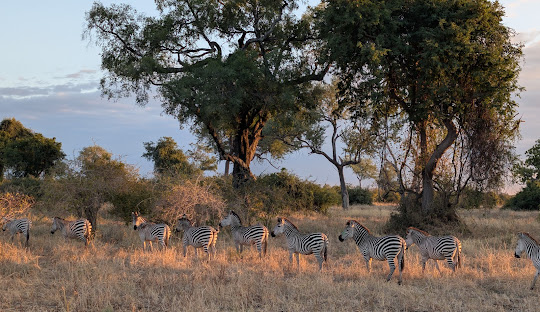
Zambia is one of Africa’s best-kept secrets. If you are dreaming of a raw, authentic safari experience where you do not have to share your wildlife sightings with a dozen other safari vehicles, this is the destination for you. Blessed with massive rivers, sweeping floodplains, and dense woodlands, Zambia offers some of the most diverse and thrilling wilderness encounters on the planet.

To help you plan your dream African getaway, we have answered the most common questions travelers search for when researching the best national parks in Zambia.
Why is Zambia called the home of the walking safari?
If you want to feel the true pulse of the African bush, you have to get out of the vehicle. Zambia is famously known as the birthplace of the modern walking safari. In the 1950s, a legendary conservationist named Norman Carr pioneered the idea of tracking wildlife on foot in South Luangwa.
Instead of watching animals through a pane of glass, a walking safari allows you to use all your senses. You will learn to read tracks in the dust, identify bird calls, and smell the wild sage. Walking safely behind an experienced, armed national park scout and an expert guide is an unforgettable rush. It turns a standard holiday into a deep, physical connection with the wilderness.
What makes South Luangwa National Park so special for wildlife lovers?
South Luangwa National Park is widely considered one of the greatest wildlife sanctuaries in the world. The Luangwa River runs through the heart of the park, acting as a massive magnet for animals.
Here is what makes it so special:
- Leopard Capital: If seeing a leopard is at the top of your bucket list, South Luangwa is your best bet. The park has one of the highest densities of these elusive big cats in Africa.
- Endemic Species: You can spot unique wildlife that you won’t find anywhere else, like Thornicroft’s giraffe and Cookson’s wildebeest.
- River Life: The Luangwa River is packed with thousands of grunting hippos and enormous crocodiles basking in the sun.
Can you see the Big Five in Zambia’s national parks?
Yes, but you need to know where to look. While Zambia has healthy populations of leopards, lions, elephants, and Cape buffaloes across most of its major parks, rhinos are much rarer.
Due to historical poaching, wild rhinos were virtually wiped out in Zambia. However, thanks to incredible conservation efforts, black rhinos were successfully reintroduced into North Luangwa National Park. You can also see white rhinos under 24-hour protection in Mosi-oa-Tunya National Park near Livingstone. If seeing all five of these iconic animals is your goal, planning a multi-park itinerary is the key.
Where is the best place to go for a water-based canoe safari in Zambia?
Without a doubt, the answer is Lower Zambezi National Park. Located directly across the river from Zimbabwe’s famous Mana Pools, this park offers a stunning landscape where the dramatic Zambezi Escarpment slopes down to meet the water.
A canoe safari here is incredibly peaceful. You will silently glide past elephants drinking at the water’s edge, watch colorful carmine bee-eaters nesting in the sandy riverbanks, and listen to the call of African fish eagles overhead. It is a completely different perspective from a traditional game drive, offering a quiet, immersive window into the animal kingdom.
How big is Kafue National Park, and what can you see there?
Kafue National Park is Zambia’s oldest and largest protected reserve, covering a massive area of over 22,000 square kilometers (about the size of Wales). Because of its immense size, much of the park remains completely wild and unexplored.
Kafue is famous for its incredible biodiversity. It is home to over 150 species of mammals and more than 500 species of birds. In the far north of the park lie the Busanga Plains, a seasonal wetland that dries up to reveal lush grasses. Here, you can witness massive herds of red lechwe, look for cheetahs (which are rare elsewhere in Zambia), and watch prides of lions that are known to climb trees to catch a breeze.
Where can you witness the spectacular bat migration in Zambia?
Every year, a tiny park called Kasanka National Park hosts one of the most mind-blowing wildlife spectacles on earth. Between October and December, an estimated 10 million straw-colored fruit bats descend upon a small swamp forest inside the park.
This is officially the largest mammal migration on the planet. At dusk, the sky turns black as millions of bats take flight to feed on wild fruits like loquats and waterberries. It is a chaotic, beautiful, and deeply humbling natural phenomenon that draws wildlife enthusiasts and photographers from all over the world.
Is Liuwa Plain National Park worth visiting?
For travelers who want to truly get off the grid, Liuwa Plain National Park in far western Zambia is absolutely worth the journey. This pristine, untamed grassland is home to Africa’s second-largest wildebeest migration.
Around November, tens of thousands of wildebeest migrate across the wide-open plains, followed closely by hyenas and lions. Because Liuwa Plain is so remote, there are very few tourist facilities. This means you will likely have the entire, dramatic horizon completely to yourself. It is a raw, photographer’s paradise.
What national park should you visit to see Victoria Falls?
If you are traveling to Zambia to see the spectacular Victoria Falls, you will be visiting Mosi-oa-Tunya National Park. The name translates to “The Smoke That Thunders” in the local Lozi language, which perfectly describes the roar and mist of the world’s largest waterfall.
While the park itself is relatively small, it packs a punch. Aside from walking along the mist-drenched trails of the falls, you can take a guided walk to track white rhinos on foot or enjoy a relaxing sunset boat cruise along the calm waters of the Upper Zambezi River.
When is the best time of year to go on a Zambia safari?
Zambia’s climate is highly seasonal, and choosing the right time to visit depends on what you want to experience:
- The Dry Season (May to October): This is widely considered the best time for game viewing. As the bush dries out and water sources shrink, animals congregate in huge numbers around rivers and waterholes. Temperatures are cooler from June to August, but October can get very hot.
- The Wet/Green Season (November to April): The landscape transforms into a lush, emerald-green paradise. This is the prime time for birdwatchers, as migratory birds arrive, and many antelope species give birth to their young. Note that some bush camps in remote areas close during this time due to flooded roads.
What should you pack for a Zambian safari adventure?
Packing smart will make your trip much more comfortable. Here are a few essential items to bring along:
- Neutral-colored clothing: Stick to khaki, beige, brown, and olive green. Avoid bright colors, and stay away from dark blue and black, which actively attract biting tsetse flies.
- Warm layers: Morning game drives in open-topped vehicles can be surprisingly freezing, especially between June and August.
- Sturdy walking shoes: Vital if you plan on participating in Zambia’s famous walking safaris.
- A good headlamp or flashlight: Perfect for navigating around dark safari camps at night.
Why is Zambia a great choice for avoiding huge safari crowds?
Many of Africa’s most famous parks have struggled with over-tourism, but Zambia has successfully preserved its low-impact, exclusive feel. The country has prioritized high-quality, low-volume tourism.
Instead of massive, multi-story hotels, you will find intimate luxury lodges, rustic tented bush camps, and eco-friendly operations. Game drives are conducted in open-sided vehicles with limited passenger numbers, meaning your encounters with lions, leopards, and elephants feel deeply personal and respectful to the wildlife.
Do I need a visa to go on safari in Zambia?
Most international travelers visiting Zambia for a safari adventure require an entry visa. Fortunately, the government of Zambia has simplified this process. You can easily apply for and obtain a Zambia tourist visa online, allowing you to secure your travel authorization before you ever leave home.
Getting your paperwork sorted early by applying for a Zambia eVisa means you can skip the long visa-on-arrival lines at the airport and head straight to your safari transfer.
Why Choose Us?
Planning a trip to the African wild should be exciting, not stressful. That is why we are here to handle the complicated paperwork for you. Here is how we make your journey to Zambia seamless:
- Reliable Travel Visa Services: Our global approach has assisted numerous travelers in obtaining their Visa, ensuring peace of mind before you fly.
- Round-the-Clock Assistance: Reach out to us 24/7, and our experts will respond within 72 hours to help resolve any queries you have.
- Experienced Visa Consultants: Receive expert guidance throughout the application process to ensure the acceptance of your application.
- Efficient Visa Application Process: Apply for your Visa in minutes with our simplified, user-friendly form.
Ready to start your African adventure? Secure your travel documents quickly and securely by visiting the Zambia Ordinary eVisa Application Portal today!