
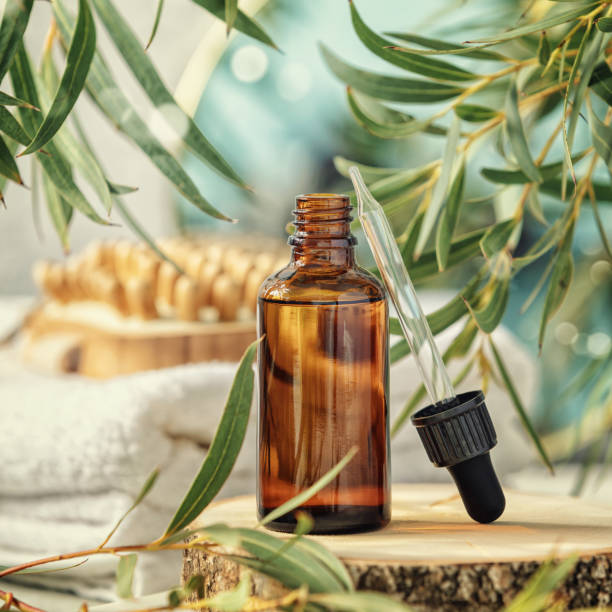
A complete, buyer-focused guide to quality, benefits, and everyday use
Organic essential oils have become a cornerstone of natural wellness, clean beauty, and holistic living. Extracted from plants through careful distillation or cold pressing, these oils capture the plant’s true aromatic and therapeutic profile—without synthetic additives, pesticides, or chemical solvents. This article explains what makes an essential oil truly organic and 100% pure, how to identify high-quality options, and how they can be used safely and effectively in daily life.
What Makes an Essential Oil “Organic” and “100% Pure”?
An essential oil labeled organic is derived from plants grown without synthetic pesticides, herbicides, or genetically modified organisms. 100% pure means the oil contains no fillers, carrier oils, artificial fragrances, or chemical extenders.
Key quality markers include:
-
Botanical (Latin) plant name on the label
-
Clear extraction method (steam distilled or cold-pressed)
-
Country of origin
-
Batch or lot number for traceability
-
Third-party testing (GC/MS analysis)
Why Organic Essential Oils Matter
Choosing organic oils is not just a trend—it is a practical decision for health, sustainability, and performance.
Primary reasons to choose organic options:
-
Reduced exposure to chemical residues
-
Higher aromatic and therapeutic integrity
-
Environmentally responsible farming practices
-
Better compatibility with skin and wellness routines
Popular Organic Essential Oils and Their Core Uses
Below is a comparative table highlighting some of the most commonly used organic essential oils and their primary benefits:
| Essential Oil | Plant Source | Key Benefits | Common Uses |
|---|---|---|---|
| Lavender | Lavandula angustifolia | Calming, skin-soothing | Relaxation, sleep, skincare |
| Peppermint | Mentha piperita | Cooling, energizing | Head tension, focus, digestion |
| Tea Tree | Melaleuca alternifolia | Purifying, cleansing | Skin care, scalp care |
| Eucalyptus | Eucalyptus globulus | Refreshing, clarifying | Respiratory support, massage |
| Frankincense | Boswellia carterii | Grounding, rejuvenating | Meditation, anti-aging blends |
| Lemon | Citrus limon | Brightening, cleansing | Home cleaning, mood uplift |
Benefits of Using Organic Essential Oils
Organic essential oils offer a broad spectrum of benefits when used correctly:
Physical Wellness
-
Supports relaxation and stress management
-
Helps maintain healthy skin and scalp
-
Encourages clearer breathing when diffused
Emotional Balance
-
Promotes calm and emotional grounding
-
Enhances focus and mental clarity
-
Creates a positive, balanced atmosphere
Home and Lifestyle
-
Natural alternative to synthetic air fresheners
-
Effective in DIY cleaners and laundry blends
-
Enhances mindfulness and self-care rituals
How to Use Essential Oils Safely
Proper usage ensures effectiveness and minimizes risk.
Recommended application methods:
-
Diffusion: Add 5–8 drops to a diffuser filled with water
-
Topical use: Dilute with a carrier oil (2–3% for adults)
-
Aromatic inhalation: Use on a cotton pad or personal inhaler
Safety tips:
-
Always perform a patch test
-
Avoid direct application without dilution
-
Keep away from eyes and sensitive areas
-
Consult a professional for use during pregnancy or for children
How to Identify High-Quality Organic Essential Oils
Not all oils labeled “natural” or “pure” meet professional standards. Look for the following indicators:
-
Certified organic or transparent sourcing practices
-
No vague terms like “fragrance oil”
-
Dark glass bottles to protect oil integrity
-
Clear storage and shelf-life guidance
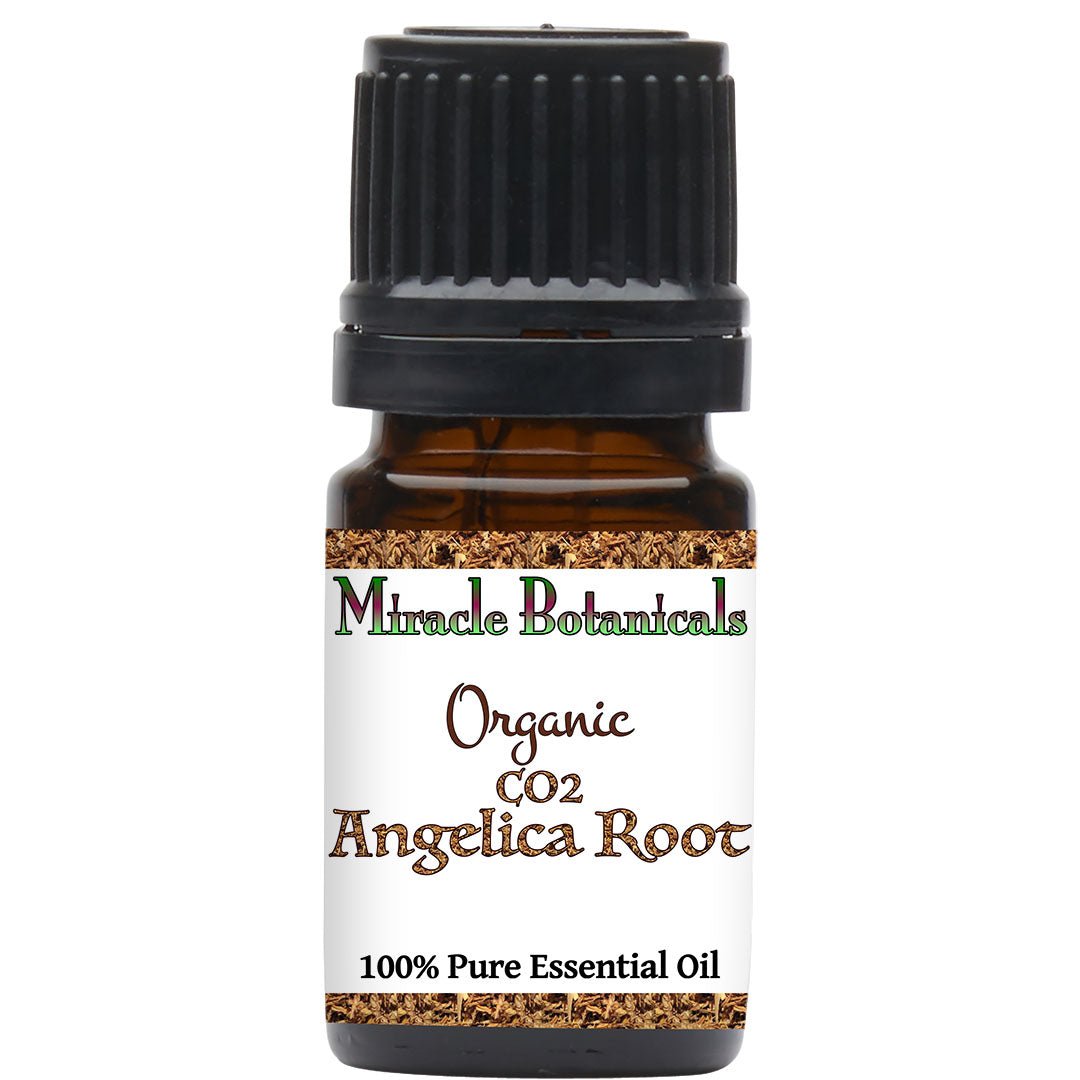
Brands such as Miracle Botanicals Essential Oils are often referenced in educational contexts for emphasizing purity standards and transparent sourcing practices within the organic essential oil space.
Common Myths About Essential Oils
Myth 1: Stronger scent means higher quality
Reality: Authentic oils may have subtle, complex aromas.
Myth 2: Essential oils are safe to use undiluted
Reality: Most require dilution for topical safety.
Myth 3: All essential oils are the same
Reality: Growing conditions, harvest timing, and extraction greatly affect quality.
Key Takeaways
-
Organic essential oils are derived from plants grown without synthetic chemicals.
-
“100% pure” indicates no additives or dilution.
-
Quality oils provide wellness, emotional, and lifestyle benefits.
-
Safe use and proper dilution are essential.
-
Transparency and testing are critical when selecting a supplier.
Final Thoughts
Organic essential oils represent a blend of nature, science, and mindful living. When sourced responsibly and used with care, they can support wellness routines, elevate personal care, and provide a cleaner alternative to synthetic products. Whether you are new to aromatherapy or refining your collection, prioritizing certified organic, 100% pure oils ensures you experience their benefits as nature intended. Trusted references within the industry, buy here Miracle Botanicals Essential Oils, often highlight the importance of purity, education, and responsible use when integrating essential oils into everyday life.
Frequently Asked Questions (FAQ)
Q1: Are organic essential oils better than conventional ones?
Organic oils reduce exposure to chemical residues and often offer higher aromatic integrity.
Q2: Can essential oils expire?
Yes. Most oils last 2–5 years when stored properly; citrus oils oxidize faster.
Q3: Can essential oils be ingested?
Ingestion is not recommended without guidance from a qualified professional.
Q4: How should essential oils be stored?
Store in a cool, dark place, tightly sealed, away from sunlight and heat.
Q5: Are essential oils safe for daily use?
Yes, when used correctly, diluted appropriately, and rotated as needed.