
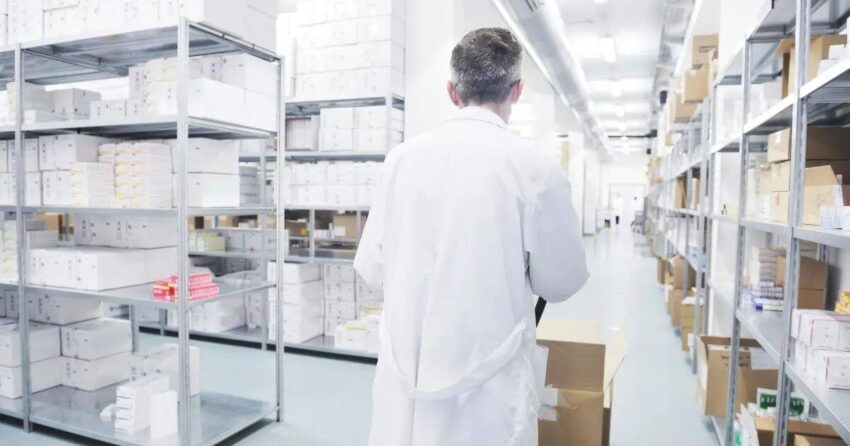
Efficient management of supplies is essential for maintaining smooth operations in any healthcare setting. From small clinics to large hospitals, having the right tools available at the right time directly impacts patient care and overall productivity. Medical and surgical supplies must be organized, monitored, and maintained to ensure reliability and safety. Poor inventory management can lead to delays, increased costs, and even compromised patient outcomes. In Australia, healthcare providers rely heavily on high-quality dental instruments Australia along with other essential supplies to deliver accurate and effective treatments. By implementing structured systems and adopting modern inventory practices, professionals can reduce waste and improve efficiency. This includes tracking usage patterns, maintaining proper storage conditions, and ensuring timely restocking. In addition, standardizing processes across departments helps create consistency and minimizes errors. As healthcare demands continue to grow, efficient supply management becomes even more critical. By focusing on organization, planning, and quality control, healthcare providers can create a system that supports both operational efficiency and high standards of patient care.
Establishing an Organized Inventory System
A well-organized inventory system is the foundation of efficient supply management. Healthcare facilities must categorize and store medical and surgical supplies in a way that allows easy access and quick identification. This includes labeling items clearly, grouping similar tools together, and maintaining dedicated storage areas for different types of equipment. For example, dental instruments Australia should be stored separately and handled with care to preserve their precision and quality. Digital inventory systems can further enhance organization by providing real-time tracking and automated alerts for low stock levels. These systems reduce the risk of human error and ensure that supplies are always available when needed. Regular audits are also important to verify stock levels and identify discrepancies. By maintaining an organized inventory, healthcare providers can save time, reduce stress, and improve workflow efficiency. This structured approach not only supports daily operations but also ensures that professionals can focus on delivering high-quality care without unnecessary interruptions.
Implementing Effective Stock Control Methods
Effective stock control is crucial for preventing shortages and overstocking, both of which can negatively impact healthcare operations. Facilities should adopt methods such as minimum stock levels, reorder points, and first-in, first-out (FIFO) systems to manage medical and surgical supplies efficiently. These practices help ensure that older items are used before newer ones, reducing waste and maintaining product quality. When dealing with specialized tools like dental instruments Australia, proper stock control becomes even more important, as these items require careful handling and maintenance. Automated systems can assist in monitoring usage patterns and predicting future demand, allowing for better planning. In addition, assigning responsibility to specific staff members for inventory management can improve accountability and consistency. By implementing these control methods, healthcare providers can maintain a balanced inventory that supports both operational needs and cost efficiency.
Ensuring Proper Storage and Handling
Proper storage and handling of supplies are essential for maintaining their quality and usability. Medical and surgical supplies must be stored in clean, controlled environments that protect them from contamination, damage, and environmental factors. Temperature, humidity, and cleanliness should be carefully monitored to ensure optimal conditions. For delicate items such as dental instruments Australia, specialized storage solutions may be required to prevent wear and maintain precision. Staff should also be trained in correct handling procedures to minimize the risk of damage or contamination. This includes using protective equipment, following sterilization protocols, and avoiding unnecessary handling. Regular inspections can help identify any issues early and ensure that all supplies remain in good condition. By prioritizing proper storage and handling, healthcare facilities can extend the lifespan of their supplies and maintain high standards of safety and performance.
Leveraging Technology for Supply Management
Technology plays a significant role in improving the efficiency of supply management in healthcare settings. Digital tools and software systems allow for real-time tracking, automated ordering, and detailed reporting of medical and surgical supplies. These solutions help reduce manual work and minimize errors, making the entire process more efficient. For example, integrating inventory systems with procurement platforms ensures that supplies are reordered automatically when stock levels reach a certain threshold. This is particularly beneficial for maintaining a consistent supply of dental instruments Australia, which are essential for daily procedures. Data analytics can also provide valuable insights into usage trends, helping facilities optimize their inventory levels and reduce waste. In addition, barcode scanning and RFID technology can streamline the tracking process, making it easier to monitor the movement of supplies. By leveraging technology, healthcare providers can create a more efficient and reliable supply management system that supports their operational goals.
Training Staff for Better Efficiency
Staff training is a key component of effective supply management. Even the most advanced systems and tools require knowledgeable personnel to operate them correctly. Healthcare providers should invest in regular training programs to ensure that staff understand the importance of proper inventory management and handling procedures. This includes training on how to use digital systems, follow storage guidelines, and manage medical and surgical supplies efficiently. When it comes to specialized items like dental instruments Australia, additional training may be required to ensure proper care and maintenance. Well-trained staff are more likely to follow established protocols, reducing the risk of errors and improving overall efficiency. In addition, clear communication and defined responsibilities help create a more organized and accountable work environment. By empowering staff with the right knowledge and skills, healthcare facilities can enhance their supply management processes and maintain high standards of care.
Reducing Waste and Improving Cost Efficiency
Reducing waste is an important goal for any healthcare facility, as it directly impacts both costs and sustainability. Efficient management of medical and surgical supplies involves careful planning, monitoring, and usage to minimize unnecessary waste. This includes tracking expiration dates, using supplies efficiently, and avoiding overstocking. For high-value items such as dental instruments Australia, proper maintenance and handling can significantly extend their lifespan, reducing the need for frequent replacements. Implementing recycling programs and reusing certain materials where appropriate can also contribute to cost savings. In addition, analyzing usage data can help identify areas where improvements can be made, allowing facilities to optimize their inventory levels. By focusing on waste reduction and cost efficiency, healthcare providers can allocate resources more effectively and improve their overall financial performance. This not only benefits the organization but also supports the delivery of high-quality patient care.
Conclusion
Efficient management of medical and surgical supplies is essential for ensuring smooth operations and delivering high-quality healthcare services. By implementing best practices such as organized inventory systems, effective stock control, and proper storage, healthcare providers can improve efficiency and reduce risks. The use of technology further enhances these processes by providing real-time tracking and automated solutions. In Australia, maintaining a reliable supply of dental instruments Australia and other essential tools is critical for supporting daily clinical activities. Staff training and continuous improvement also play a vital role in maintaining a well-functioning system. By focusing on these key areas, healthcare facilities can create a structured and efficient approach to supply management. This not only improves operational performance but also ensures better patient outcomes. As the healthcare industry continues to evolve, adopting modern and efficient supply management practices will remain a priority for organizations seeking long-term success and excellence.