
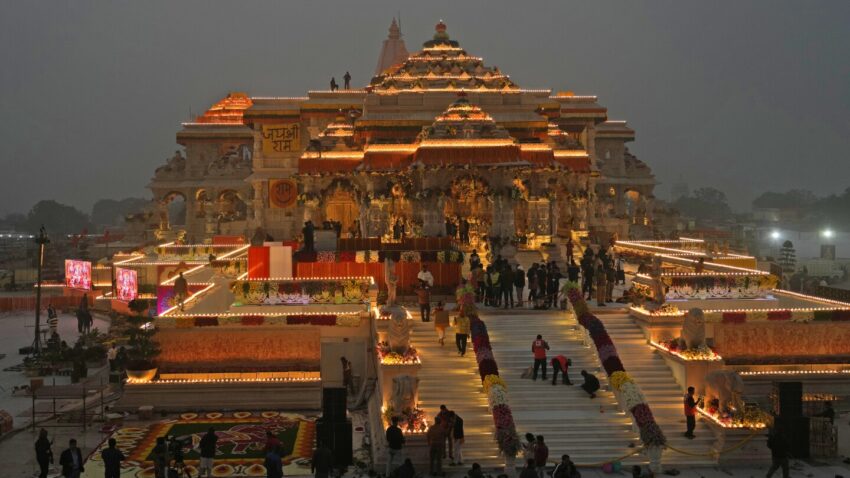
Ayodhya, the sacred birthplace of Lord Rama, is one of India’s most revered spiritual destinations. Choosing the best time to visit Ayodhya is essential to fully enjoy its temples, ghats, cultural heritage, and vibrant festivals. This guide explores the seasons, festivals, and travel tips to help you plan an unforgettable journey. With the inauguration of the grand Ram Mandir in January 2024, the city has become a global attraction for pilgrims and travelers alike.
Introduction to Ayodhya
Located on the banks of the Sarayu River in Uttar Pradesh, Ayodhya is not just a city—it is a living legend. Known as one of the Sapta Puris (seven sacred cities in Hinduism), Ayodhya is deeply connected to the Ramayana. The city is dotted with temples, ghats, and heritage sites that narrate stories of devotion and history.
With millions of pilgrims visiting every year, Ayodhya has transformed into a spiritual and cultural hub. Understanding the climate and festival calendar helps travelers decide the best time to visit Ayodhya for a comfortable and enriching experience.
Seasonal Guide: Best Time to Visit Ayodhya
1. Winter Season (October to March) – The Ideal Time
- Temperature: 8°C to 25°C
- Why Visit: Pleasant weather, perfect for sightseeing and temple visits.
- Highlights:
- Comfortable climate for exploring Ram Mandir, Hanuman Garhi, Kanak Bhawan, and Sarayu ghats.
- Major festivals like Diwali (Deepotsav) and Ram Vivah Utsav fall in this season.
- Evening aarti at Ram Ki Paidi ghats is magical during winter.
Verdict: Winter is widely considered the best time to visit Ayodhya, offering both spiritual and cultural experiences without the discomfort of heat.
2. Summer Season (April to June) – Hot but Festive
- Temperature: 28°C to 45°C
- Why Visit: Despite the heat, summer hosts important festivals like Ram Navami.
- Highlights:
- Ram Navami celebrations in March–April attract thousands of devotees.
- Early mornings and evenings are suitable for temple visits.
- Pilgrims often take holy dips in the Sarayu River to beat the heat.
Verdict: Summer is challenging due to high temperatures, but if you wish to witness Ram Navami, it can still be one of the best times to visit Ayodhya spiritually.
3. Monsoon Season (July to September) – Lush and Serene
- Temperature: 25°C to 35°C
- Why Visit: The city turns green and vibrant, though rains can disrupt travel.
- Highlights:
- Sarayu ghats look beautiful with monsoon rains.
- Fewer crowds compared to winter and festival seasons.
- Good time for peaceful meditation and temple visits.
Verdict: Monsoon offers a quieter experience, but heavy rains may affect outdoor plans. It is suitable for those seeking serenity rather than grand celebrations.
Festival Calendar: Best Time to Visit Ayodhya for Celebrations
Ayodhya is synonymous with festivals. If you want to experience the city at its most vibrant, plan your trip around these events:
1. Diwali & Deepotsav (October–November)
- Millions of diyas light up the Sarayu ghats and temples.
- Cultural performances, Ram Leela enactments, and fireworks.
- Recognized by Guinness World Records for lighting the maximum number of lamps.
Best Time to Visit Ayodhya: Diwali season is unmatched for its grandeur and devotion.
2. Ram Navami (March–April)
- Celebrates the birth of Lord Rama.
- Special aartis, processions, and rituals at Ram Janmabhoomi and Hanuman Garhi.
- Thousands of devotees gather to seek blessings.
Best Time to Visit Ayodhya: Perfect for those who want to witness Ayodhya’s spiritual essence.
3. Kartik Purnima (November)
- Devotees take holy dips in the Sarayu River.
- Temples are decorated, and special prayers are offered.
4. Ram Vivah Utsav (November–December)
- Celebrates the divine marriage of Lord Rama and Goddess Sita.
- Cultural programs and rituals across temples.
5. Makar Sankranti (January)
- Pilgrims gather at Sarayu ghats for ritual baths.
- Marks the transition of the sun into Capricorn.
Travel Tips: Making the Most of Your Visit
- Clothing: Light woolens for winter, cotton clothes for summer, and umbrellas for monsoon.
- Accommodation: Book hotels or dharamshalas in advance, especially during festivals.
- Transport: Ayodhya is well-connected by rail, road, and air (Ayodhya Airport opened in 2024).
- Local Food: Try kachoris, jalebis, and traditional thalis at local eateries.
- Safety: Expect large crowds during festivals; keep essentials handy.
Sample Itinerary Based on Best Time to Visit Ayodhya
Day 1: Arrival & Evening Aarti
- Check into hotel/dharamshala.
- Visit Ram Mandir.
- Attend evening aarti at Ram Ki Paidi ghats.
Day 2: Temple Exploration
- Hanuman Garhi, Kanak Bhawan, Dashrath Bhavan.
- Lunch at local eatery.
- Evening visit to Nageshwarnath Temple.
Day 3: Heritage & Culture
- Gulab Bari (Mughal garden).
- Tulsi Smarak Bhawan.
- Explore local bazaars for souvenirs.
Conclusion
Ayodhya is not just a destination—it is a spiritual journey. Whether you want to witness the grandeur of Deepotsav, the devotion of Ram Navami, or simply enjoy the serene ghats in winter, knowing the best time to visit Ayodhya ensures a fulfilling experience.
- Winter (October–March): Best for sightseeing and festivals.
- Summer (April–June): Challenging but spiritually rewarding during Ram Navami.
- Monsoon (July–September): Peaceful and lush, ideal for quiet reflection.
No matter when you visit, Ayodhya’s divine aura and cultural richness will leave you with memories of a lifetime.