
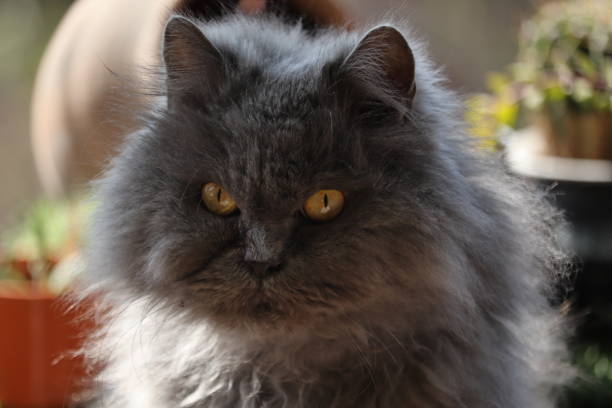
The black silver tabby pattern is one of the most striking looks in the Maine Coon world. The shimmering silver undercoat, jet-black markings, and the big, luxurious build of this breed create a cat that looks almost mythical. Understanding the variations within this pattern helps buyers, breeders, and cat lovers recognize authenticity, evaluate quality, and choose the right kitten for their home. This guide explores the different types of black silver tabby patterning, how they form, what makes each unique, and how to care for these majestic cats so their coats stay healthy and dazzling.
What “black silver tabby” really means
The silver effect is not simply gray fur. It is caused by the inhibitor gene, which removes warm pigment from the hair shaft, leaving a glistening, icy white underlayer. Black pigment remains in the stripes, swirls, or spots, producing a high-contrast pattern. When combined with the large frame, bushy tail, and lion-like ruff of the Maine Coon, the result is a cat that looks like black silver tabby maine coon it walked out of a fantasy novel.

Major variations within black silver tabby patterning
There are several visually different patterns grouped under the silver tabby category. The most common among Maine Coons include:
-
Mackerel tabby
-
Classic tabby
-
Spotted tabby
-
Ticked tabby
-
Smoke-influenced tabby looks
Each variation has distinct markings, though all share the silver base and black patterning.
Mackerel black silver tabby pattern
The mackerel variation is defined by narrow, vertical stripes that resemble fish bones running down the body. Stripes are usually evenly spaced and continuous rather than broken. This pattern gives the cat a sleek, wild-type appearance that many people associate with ancient forest cats. Facial markings are bold with an “M” shape on the forehead, mascara lines along the eyes, and clearly lined legs and tail.
Classic black silver tabby pattern
The classic pattern is bolder and more dramatic. Instead of narrow stripes, the body shows broad swirls and bullseye or marble shapes on the sides. The shoulders often display a butterfly-like marking, and the back may carry three thick, dark lines running from neck to tail. This pattern is often preferred in show rings because of its sharp contrast and symmetry when clearly defined.
Spotted black silver tabby pattern
In the spotted variation, the stripes break up into dots across the body. Spots may be round, oval, or elongated. Sometimes the pattern appears “broken mackerel,” where stripes try to form but separate into spots. This look gives a slightly wildcat vibe similar to Bengal-style patterning but on the massive Maine Coon frame.
Ticked silver tabby pattern
Ticked patterns are subtle. Instead of visible stripes or swirls along the body, the coat shows bands of color on each individual hair, called agouti banding. The body may appear almost solid silver, while the face, legs, and tail retain recognizable tabby markings. This variation looks refined, smooth, and elegant under bright light.
Genetics behind these variations
Different tabby patterns are controlled by multiple genes interacting together. The silver inhibitor gene removes warm pigment. Tabby pattern genes then determine whether stripes, swirls, spots, or ticking appear. Selective breeding enhances clarity, contrast, and pattern placement. Reputable breeders focus not only on color but also on health, temperament, muscle tone, and breed standards to preserve the true Maine Coon type. Breeding decisions should prioritize heart health, hip strength, and genetic diversity over color alone. This is where responsible catteries such as NW Coonies emphasize ethical practices and education for new owners.
Physical traits beyond coat color
While the coat pattern is eye-catching, these cats are loved for more than looks. Defining traits include:
-
Large, rectangular body structure
-
Long, bushy tail
-
Prominent muzzle and chin
-
Tufted ears and paws
-
Thick, semi-long coat
-
Friendly, intelligent expression
Their size and dignity pair with playful, clown-like personalities, making them perfect companions for families who enjoy interactive pets.
Personality and temperament
These cats are:
-
Affectionate but not clingy
-
Highly intelligent problem-solvers
-
Gentle with children
-
Curious and playful well into adulthood
-
Often fascinated with water
They enjoy perching high, following their owners from room to room, and communicating with chirps and trills rather than constant meowing. Many homes love the way they balance independence with social warmth.
Grooming and coat care
Silver coats show dirt, oil, and dandruff easily, so maintenance matters. Key grooming tips:
-
Brush 2–3 times weekly
-
Use stainless steel combs for undercoat
-
Check for mats behind ears and under arms
-
Bathe occasionally if coat becomes greasy
-
Provide omega-3 rich diet for shine
Regular grooming also strengthens bonding and helps owners spot early skin issues.
Health considerations
Important health topics for this breed include:
-
Hypertrophic cardiomyopathy risk
-
Hip dysplasia in large lines
-
Spinal muscular atrophy screening
-
Obesity management due to large appetite
Ethical breeders health-test parents, disclose records, and avoid irresponsible pairings. Asking for genetic testing information protects both buyer and kitten.
Feeding recommendations
Good nutrition supports immune health and coat quality. Ideal meals should include:
-
High animal-protein base
-
Low filler carbohydrates
-
Balanced calcium-phosphorus ratio
-
Taurine supplementation
-
Omega-fatty acids for skin and coat
Fresh water access is essential because Maine Coons can be prone to urinary issues without proper hydration.
How to identify authentic silver tabby Maine Coon kittens
Use the checklist below when evaluating kittens:
-
Visible silver undercoat with black patterning
-
Strong muzzle structure
-
Large ears with lynx tips
-
Long, balance-proportion tail
-
Big, sturdy paws
-
Playful, confident demeanor
Pedigree papers and breeder transparency help ensure authenticity. Reputable catteries such as NW Coonies provide health guarantees, clear photographs, and guidance for new owners, making the adoption journey more secure.
Comparison table of pattern variations
| Pattern Type | Body Markings | Overall Look | Common Preference |
|---|---|---|---|
| Mackerel | Vertical stripes | Sleek and wild | Very popular |
| Classic | Swirls and bullseye | Bold and dramatic | Show favorite |
| Spotted | Dots or broken stripes | Exotic appearance | Pet homes |
| Ticked | Bands on individual hairs | Smooth silver body | Rare |
| Smoke influence | Hazy underside shading | Mystical, shadowed | Unique collectors |
Why people love these cats
Beyond beauty, they bring personality, presence, and companionship. Their giant-cat look paired with affectionate behavior creates a memorable household pet. Enthusiasts often say they don’t just own a cat—they share life with an intelligent roommate who understands routines and emotions.
Keyword usage in context
Many cat lovers specifically search for the term black silver tabby maine coon when researching this pattern, because it captures both color and breed identity in a single phrase. This guide helps clarify what to expect from that search and how to recognize real quality when selecting kittens.
Choosing the right breeder
Look for:
-
Health testing
-
Written contracts and guarantees
-
Lifetime support
-
Transparent communication
-
Safe, clean environment
Educated breeders love to explain color genetics, temperament expectations, and growth patterns. This level of guidance is a hallmark of trusted programs such as NW Coonies, where long-term welfare matters as much as beautiful color and pattern.
FAQs (trending questions)
Q: Are silver tabby Maine Coons rare?
They are not the rarest color but are highly sought-after because the contrast and shine create a dramatic, photogenic appearance.
Q: Do silver coats change as kittens grow?
Yes. Many kittens darken or lighten as the inhibitor gene expression stabilizes, and adult coat length increases over time.
Q: Are these cats good with children and other pets?
They are typically gentle, social, and tolerant when well-socialized from kittenhood.
Q: How big do they usually get?
Adult males often reach large sizes with muscular frames, while females are slightly smaller but still substantial compared to most breeds.
Q: How often do they need grooming?
Routine brushing multiple times per week prevents tangles and keeps the coat bright and reflective.
Q: Is there a difference between classic and mackerel in personality?
No. Pattern affects appearance, not temperament; behavior is shaped more by genetics, socialization, and environment.
Q: Can apartment living suit this breed?
Yes, as long as they receive mental stimulation, climbing options, and regular companionship.