
A racing board game can give players plenty to think about without making them learn complicated rules. The fun starts with a simple goal: get your car across the finish line first. Along the way, players make choices that can change the race and affect everyone around them.
An F1-themed board game can bring that idea to life through racing, timing, and smart decisions. Players might need to decide when to move ahead, when to take a risk, or when to hold back. A Grand Prix Game can make those choices even more exciting by giving every player a reason to watch the track closely.
The real trick is finding the right balance. Players should have enough choices to feel involved, but not so many that every turn feels like a puzzle. When that balance works, a game can feel strategic while remaining easy to learn.
Strategy Can Start With Simple Choices
Strategy does not always require complicated rules or long instructions. It can begin with one simple decision that gives players more than one way to play. Imagine your car is close to another racer. You could make a move to take the lead, or you could wait and prepare for what comes next. Both choices are easy to understand, but each one can lead to a different result.
Those small decisions can add depth to a racing board game. Players start thinking about what could happen after their next move. They also begin watching what other players are planning. The rules stay simple, yet the decisions become more interesting as the race continues.
Every Turn Can Give Players Something to Think About
A good racing game does not need to give players ten choices every turn. A few clear options can be enough to make each move feel important. Players might choose between moving quickly and protecting their current position. They may also need to decide if they should pass another car or wait for a better opening.
Those choices become more meaningful as players learn the game. Someone playing for the first time may simply react to what is happening. After a few races, that same player may start planning two or three moves ahead. That natural learning process adds depth without adding more rules.
Luck Should Leave Room for Smart Decisions
Luck can make racing board games more exciting. Dice rolls, cards, and unexpected events can change the race and stop every game from feeling predictable. Still, players should have some control over what happens next. A lucky roll should help, but it should not decide the entire race.
Suppose a player gets an unexpected result during an important turn. They should still have a way to adjust their plan and keep racing. That ability gives their earlier choices real value. A balanced F1-themed board game can use luck to create surprises while still rewarding good decisions. Players never know exactly what will happen, but they can think about how to respond. That mix can keep the race exciting from start to finish.
Timing Can Add Depth Without Adding Rules
Timing is another simple way to make a racing game more strategic. Players may have a strong move available, but using it too early could create a problem later. For example, taking the lead early might seem like the obvious choice. However, another player could then focus on catching you. Waiting for the right moment could give you a better chance to make a clean move.
Players do not need complicated instructions to make these choices. They simply need to pay attention to the race and think about what could happen next. A Grand Prix game can use this idea to create tension during every stage of the race. One player may push ahead, while another waits for an opening. That small difference in timing can completely change the final result.
Different Players Can Use Different Strategies
One of the best things about simple strategy is that players do not need to follow one perfect plan. Some people like to take risks and make bold moves. Others prefer to build a steady lead and protect their position. Another player may spend more time watching opponents before making a decision.
A good racing board game can make room for all these styles. Each player can approach the race differently while still following the same basic rules. That variety can also make repeat games more enjoyable. You may use one strategy during your first race and try something completely different during the next. The game stays familiar, but your approach keeps changing.
Good Strategy Should Keep the Race Moving
Strategy should add excitement rather than slow the game down. Players should have enough information to make a smart choice without spending several minutes on every turn. Quick decisions can sometimes create the most memorable moments. A player spots an opening and decides to make a move. Another racer reacts, and suddenly the order changes.
Those moments give racing games their energy. Simple rules can actually help here because players spend less time checking instructions. They can focus more on the race, their opponents, and their next decision. That balance is especially useful for groups with mixed experience levels.
What Makes a Racing Board Game Feel Strategic?
Several small features can give a racing board game real depth. Meaningful choices should affect what happens later. Player actions should also have some effect on other racers. Luck can create surprises, but it should leave room for players to respond. Position can create different opportunities throughout the race. Timing can make the same move useful at one point and risky at another.
Replay value matters as well. Players should feel that another race could turn out differently, even with familiar rules. None of these features requires a complicated system. Together, they can create a game that feels much deeper than its rules suggest.
So, Can Racing Board Games Be Strategic Without Being Complicated?
Yes, and that balance can make them even more enjoyable. Players do not need complicated rules to experience real competition. A well-designed racing board game can build strategy through timing, position, risk, and player choices. Each element stays easy to follow, yet together they can create plenty of depth.
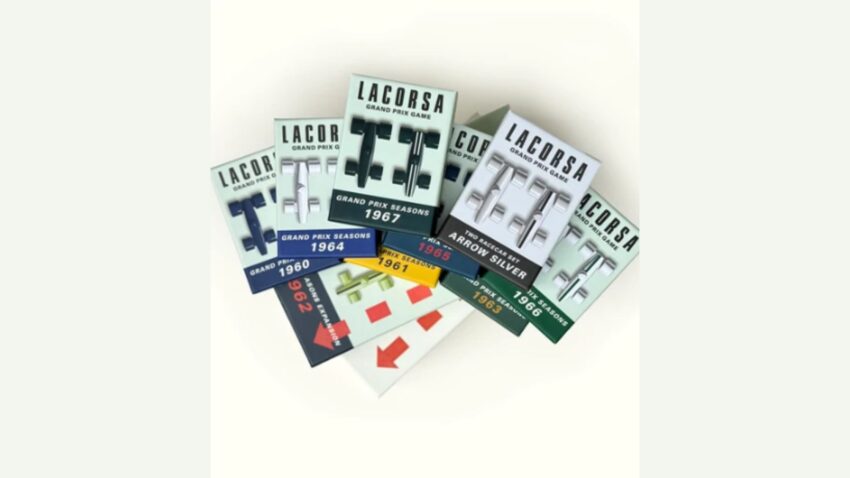
Lacorsa Grand Prix Game brings these ideas into its racing board game experience. Its Grand Prix Game gives players room to make meaningful racing decisions without unnecessary complexity. The F1-themed board game experience also adds familiar racing excitement to the table. For players who want strategy without a difficult learning curve, the Lacorsa Grand Prix Game offers a strong fit. The race stays easy to follow, while every decision can still change who reaches the finish line first.