
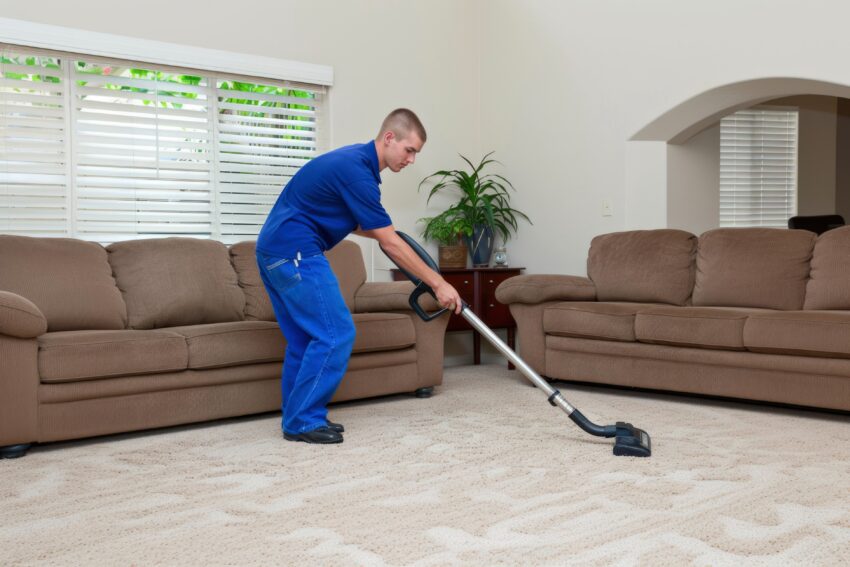
Moving out of a rental property in Brisbane can be stressful, especially when your bond refund depends on passing the final inspection. One of the most closely inspected areas is the carpet, as it holds dirt, stains, odours, and allergens that build up over time. Many tenants underestimate how strict property managers can be, which is why preparing a detailed carpet cleaning checklist is essential before handover. By planning early and following a step-by-step approach, tenants can avoid disputes, re-cleaning costs, and bond deductions related to Carpet Cleaning in Brisbane rental properties.
This guide walks you through everything Brisbane tenants should do to ensure carpets meet real estate standards before the final inspection.
Why Carpet Cleaning Matters for Brisbane Rentals
Carpets are considered a major hygiene and presentation factor during end-of-lease inspections. Queensland tenancy agreements often require carpets to be returned in the same condition they were in at the start of the lease, excluding fair wear and tear.
Property managers typically check for:
-
Visible stains and marks
-
Embedded dirt and sand
-
Pet hair and odours
-
Mould or moisture damage
-
Overall freshness and cleanliness
Failing to meet expectations may result in a request for professional cleaning or a bond deduction.
Step 1: Check Your Lease Agreement First
Before starting any cleaning, review your lease agreement carefully. Many Brisbane rental contracts clearly state that carpets must be professionally cleaned at the end of the tenancy, especially if pets were kept on the property.
Look for clauses mentioning:
-
Mandatory professional carpet cleaning
-
Receipt or invoice requirements
-
Specific cleaning methods (steam cleaning or hot water extraction)
Understanding these terms upfront helps you avoid last-minute surprises.
Step 2: Remove Furniture and Inspect the Carpet
Once your belongings are removed, inspect the carpet thoroughly under good lighting. Furniture often hides stains, discolouration, and heavy traffic marks that become visible only after the space is empty.
Pay close attention to:
-
Walkways and hallways
-
Living room seating areas
-
Bedrooms near beds and wardrobes
-
Doorways and entrances
Taking photos at this stage helps you assess how much cleaning is required.
Step 3: Vacuum Thoroughly Before Deep Cleaning
Vacuuming is not optional—it’s a critical first step before any deep cleaning. Brisbane carpets often trap fine dust, sand, and debris due to the climate and outdoor lifestyle.
Vacuum slowly and methodically:
-
Use a vacuum with strong suction
-
Go over high-traffic areas multiple times
-
Clean edges, corners, and skirting boards
-
Remove pet hair using attachments if needed
A proper vacuum ensures better results from steam or shampoo cleaning.
Step 4: Spot Clean Visible Stains Immediately
Address stains as early as possible. The longer stains sit, the harder they are to remove.
Common Brisbane rental carpet stains include:
-
Food and drink spills
-
Grease and oil marks
-
Makeup or ink stains
-
Pet accidents
Use appropriate stain removers and always test products on a hidden area first. Avoid harsh chemicals that can bleach or damage carpet fibres.
Step 5: Choose the Right Carpet Cleaning Method
Not all carpet cleaning methods meet end-of-lease standards. Property managers usually expect a deep clean, not just surface cleaning.
The most accepted methods include:
-
Steam cleaning (hot water extraction): Removes deep dirt, bacteria, and odours
-
Shampoo cleaning: Suitable for lighter soiling but less effective for deep stains
DIY machines can help, but professional equipment delivers stronger and more consistent results.
Step 6: Hire Professional Carpet Cleaners if Required
If your lease requires professional cleaning—or if your carpets are heavily soiled—hiring experts is the safest option.
Professional cleaners:
-
Use industrial-grade equipment
-
Remove stubborn stains and odours
-
Provide official receipts for real estate agents
-
Meet inspection and bond standards
This step significantly reduces the risk of re-cleaning requests after inspection.
Step 7: Pay Extra Attention to Pet-Affected Areas
If you had pets in the property, carpets will receive extra scrutiny. Pet hair, urine smells, and allergens are common reasons for bond disputes.
Make sure to:
-
Remove embedded pet hair
-
Treat urine stains with enzyme cleaners
-
Deodorise affected areas thoroughly
Some property managers may even require pest treatment alongside carpet cleaning.
Step 8: Allow Proper Drying Time
Never rush the inspection while carpets are still damp. Wet carpets can smell musty and attract dust quickly, undoing your cleaning efforts.
Tips for faster drying:
-
Open windows and doors
-
Use fans or air conditioning
-
Avoid walking on carpets until fully dry
Dry, fresh-smelling carpets create a strong positive impression during inspection.
Step 9: Do a Final Visual and Smell Test
Before handing over the keys, do one last check:
-
Are there any visible marks or stains?
-
Does the carpet smell fresh and neutral?
-
Are corners and edges clean?
If possible, walk through the property as if you were the property manager.
Step 10: Keep Your Cleaning Receipt Ready
If you’ve used professional services, keep the receipt easily accessible. Most Brisbane real estate agents request proof of carpet cleaning during or after the final inspection.
Having documentation ready helps resolve any questions instantly and speeds up bond processing.
Final Thoughts
Passing a final inspection doesn’t require guesswork—it requires preparation and attention to detail. By following this checklist, Brisbane tenants can confidently meet real estate expectations, avoid disputes, and secure their full bond refund. Carpets often influence the overall cleanliness rating of a property, so investing time and effort into proper cleaning pays off in the long run. Whether you choose DIY methods or professional services, prioritising Carpet Cleaning in Brisbane rentals ensures a smoother move-out process and leaves the property in excellent condition for the next tenant.