
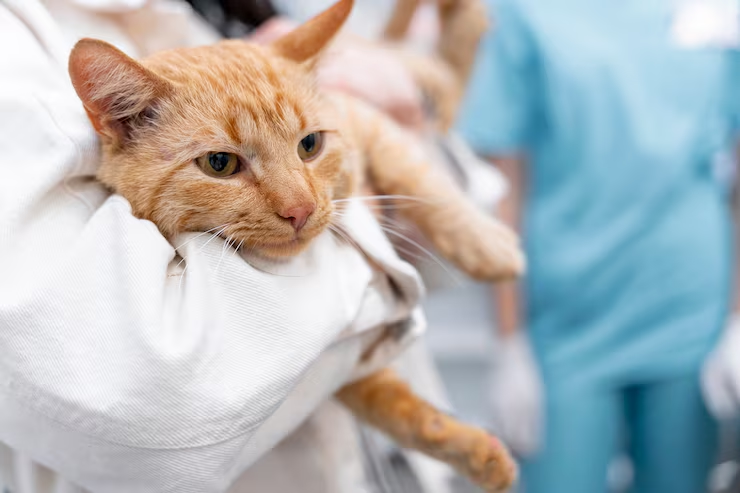
Bringing a kitten home is exciting, but it also comes with new responsibilities. Your kitten depends on you for food, safety, and medical care from the very first day. Early veterinary visits help build a strong foundation for a long and healthy life. A cat hospital gives your kitten the care needed to grow, stay active, and avoid many common health problems before they become serious.
Every stage of kitten growth matters. The first few months shape your kitten’s immune system, behavior, and overall health. Regular checkups also help you learn what is normal and when something needs attention. With the right care from the beginning, you can give your kitten the best chance to enjoy a healthy future.
Why the First Year Matters So Much
Kittens grow faster than many people expect. Their bodies change every week, and their immune systems are still developing. During this time, they need proper nutrition, timely vaccinations, and routine health checks.
Small health concerns can become bigger problems if they go unnoticed. A veterinarian can spot early signs of illness before they affect your kitten’s quality of life. Regular visits also help track healthy weight, growth, and development.
Many owners wait until their kitten looks sick before making an appointment. This often means treatment starts later than it should. Preventive care is always easier than treating advanced illness.
What Happens During Early Veterinary Visits?
The first appointment gives your veterinarian a clear picture of your kitten’s health. It also gives you the chance to ask questions about daily care.
A complete health examination usually includes checking:
- Eyes, ears, and nose
- Teeth and gums
- Heart and lungs
- Skin and coat condition
- Weight and body growth
- Joint movement
- Temperature
- Overall physical development
The veterinarian also asks about eating habits, litter box use, sleeping patterns, and behavior. These details help identify concerns that may not appear during a physical exam.
Each visit builds a health record that becomes valuable as your kitten grows.
How a Cat Hospital Supports Healthy Kitten Growth
A cat hospital offers more than treatment for illness. It helps guide every stage of your kitten’s development through preventive healthcare and regular monitoring.
Vaccinations protect against several serious diseases that can affect young cats. Your veterinarian creates a schedule based on your kitten’s age and health needs. Keeping these appointments on time helps provide the strongest protection.
Parasite prevention is another important part of kitten care. Internal parasites and fleas are common in young cats. Regular screening and treatment help prevent discomfort and reduce health risks.
Routine wellness visits also allow veterinarians to monitor healthy growth. They can adjust nutrition recommendations, answer questions, and address concerns before they become larger problems.
Building Healthy Habits at Home
Veterinary care works best when it continues at home. Daily routines help support healthy growth and reduce future health risks.
Feed a balanced kitten diet that meets nutritional needs during rapid growth. Fresh water should always be available.
Keep the litter box clean every day. A change in litter box habits often becomes one of the first signs that something may be wrong.
Spend time playing with your kitten every day. Active play supports healthy muscles, coordination, and mental stimulation. It also strengthens the bond between you and your pet.
Regular grooming helps keep the coat healthy while giving you the chance to notice skin changes, lumps, or parasites early.
Choosing the Right Cat Clinic for Routine Care
Finding the right cat clinic is an important step for every pet owner. A good clinic focuses on preventive care as much as treatment. It should provide a calm environment where kittens can feel safe during each visit.
Experienced veterinary teams understand that young cats often become nervous in unfamiliar places. Gentle handling and quiet examination rooms help reduce stress and create positive experiences. These early visits can make future appointments much easier for your kitten.
A reliable cat clinic also takes time to explain each stage of care. Clear guidance helps you understand vaccination schedules, parasite prevention, nutrition, and normal kitten development. When you know what to expect, you can make better decisions for your kitten’s health.
Signs Your Kitten Should See a Veterinarian
Even healthy kittens can become sick quickly. Paying attention to small changes can make a big difference.
Watch for signs such as:
- Loss of appetite
- Vomiting or diarrhea
- Sneezing that continues for several days
- Coughing or trouble breathing
- Low energy or unusual sleeping habits
- Weight loss
- Limping
- Trouble using the litter box
- Eye or nose discharge
Young kittens have less ability to fight illness than adult cats. Early treatment often leads to faster recovery and fewer complications.
Helping Your Kitten Feel Comfortable During Visits
Many kittens adjust well to veterinary care when visits stay calm and positive. Leave the carrier open at home before appointments so your kitten becomes familiar with it. Place a soft blanket inside to create a comfortable space.
Avoid feeding a large meal just before traveling. Drive carefully and keep the carrier secure during the trip. Speaking softly and staying relaxed also helps your kitten feel more comfortable.
Positive experiences during the first year often make future veterinary visits much less stressful for both you and your pet.
Common Health Problems Seen in Kittens
Young cats are curious by nature. They explore every corner of your home, which can expose them to germs, parasites, and minor injuries. Knowing the most common health concerns helps you act quickly if something changes.
Respiratory infections are common in kittens, especially those that have lived with many other cats. Sneezing, watery eyes, and nasal discharge should never be ignored.
Digestive problems can also appear during the first year. Sudden diet changes, parasites, or infections may lead to vomiting or diarrhea. These problems can cause dehydration if left untreated.
Ear mites, fleas, and intestinal worms are also common in young cats. Regular examinations and preventive care help keep these parasites under control.
Some kittens may develop dental issues as their baby teeth fall out. Routine oral checks help ensure adult teeth grow properly and reduce the risk of future dental disease.
Supporting Long-Term Health Through Preventive Care
Healthy kittens become healthy adult cats when preventive care remains a priority. Routine veterinary visits allow health problems to be found early, often before you notice signs at home.
As your kitten grows, wellness exams continue to play an important role. These visits help monitor body weight, nutrition, joint health, and overall physical condition. They also provide an opportunity to update vaccinations and discuss any changes in behavior.
Nutrition remains one of the biggest factors in lifelong health. Feed a balanced diet designed for your cat’s age and life stage. Fresh water, regular exercise, and a clean indoor environment also support good health.
Keeping your cat mentally active is just as important. Toys, climbing spaces, scratching posts, and interactive play reduce boredom and encourage natural behaviors.
Routine care may seem simple, but small steps taken throughout the year often prevent larger health problems later in life.
Small Steps Today Build a Healthier Tomorrow
Every decision you make during your kitten’s first year shapes its future. Regular checkups, preventive treatments, good nutrition, and daily observation all work together to protect your pet.
You do not need to wait until your kitten appears sick before seeking veterinary advice. Preventive care helps identify hidden problems early, making treatment easier and improving long-term health.
Building healthy habits now also creates trust between your kitten and the veterinary team. As your cat grows, routine visits become less stressful and more familiar.
If you are looking for trusted guidance throughout every stage of your kitten’s life, Silverado Veterinary Hospital provides compassionate care focused on prevention, wellness, and long-term health. A healthy beginning starts with the right support. Visit us to give your kitten the care it deserves.
Frequently Asked Questions
1. When should I take my kitten for its first veterinary visit?
Most kittens should have their first veterinary visit at around six to eight weeks of age. Early examinations help check overall health, begin vaccinations, and identify any concerns before they become serious.
2. How often should my kitten visit a cat clinic?
Kittens usually need several visits during their first few months for vaccinations, growth checks, and preventive care. After the first year, most healthy cats benefit from annual wellness exams unless your veterinarian recommends more frequent visits.
3. What should I bring to my kitten’s first appointment?
Bring any medical records, vaccination history, information about your kitten’s diet, and a list of questions. Transport your kitten in a secure carrier to keep it safe and comfortable during travel.
4. Why are routine wellness exams important for kittens?
Routine exams allow veterinarians to monitor growth, detect health problems early, update vaccinations, and provide advice on nutrition, behavior, and parasite prevention. Early care supports better long-term health.
5. How can I help my kitten stay calm during veterinary visits?
Leave the carrier out at home so your kitten becomes familiar with it. Add a soft blanket inside, travel calmly, and speak gently during the trip. Positive experiences from an early age help reduce stress during future visits.