
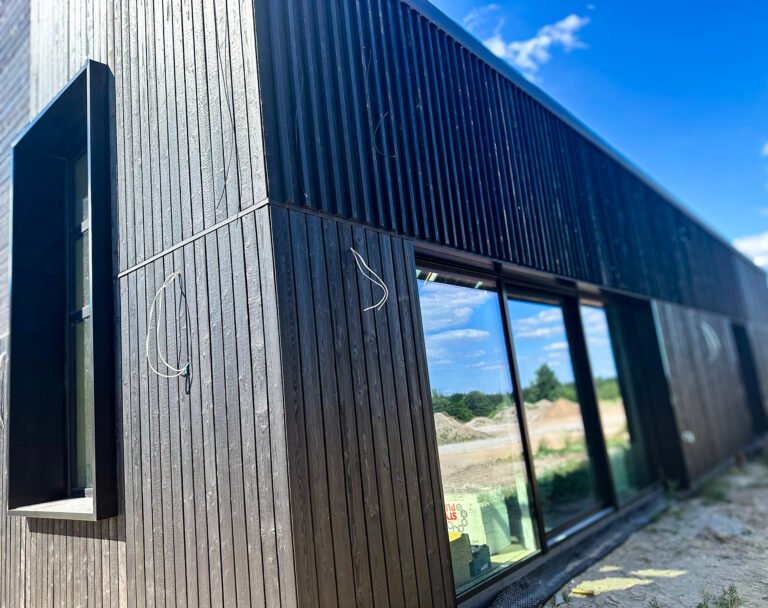
Modern architecture is kind of, well, asking for materials that hit aesthetics durability and sustainability all at once. And among the many options, charred accoya wood seems to be getting picked a lot lately, by architects, builders, and homeowners who want an exterior finish that lasts, and looks really striking. It takes cues from the traditional Japanese wood-charring practice, so this newer material brings strong performance while also giving contemporary structures this darker, refined kind of beauty.
Here in this guide, we’ll unpack the benefits, where it can be used, and why charred accoya wood keeps showing up in modern cladding projects, more and more each year.
What Is Charred Accoya Wood?
Charred accoya wood is basically Accoya timber that goes through a carefully controlled charring process, which creates that distinctive blackened surface. Accoya wood itself is already known for excellent dimensional stability, long service life, and resistance to decay thanks to its acetylation treatment. Then, when you add the charring step on top, you end up with a wood product that’s both tough, and visually appealing, so it works across a wide range of architectural uses.
That charred face or surface doesn’t just look different, it also acts like an extra protective shield, which helps the wood stay in good condition for longer, even out there on the exterior.
Key Benefits of Charred Accoya Wood
Exceptional Durability
One of the biggest plus sides of charred accoya wood is its very strong durability. Accoya already has a solid reputation for resisting rot, insects, and moisture. Then the charring process kind of pushes those protective features even further, so it becomes a really reliable option for outdoor use, where conditions change a lot with rain , heat and wind.
And unlike a lot of regular timber options, charred Accoya keeps its structural strength for years and years, basically decades , with only little upkeep.
Superior Dimensional Stability
Wood will naturally expand and shrink, you know, as humidity and temperature shift. But Accoya’s acetylation method reduces that motion a lot. Because of that charred accoya wood stays more consistent over time, which helps keep warping, cracking, or splitting from turning into a real problem.
So it’s especially good for big cladding projects , where you want the same look and performance across a whole build.
Unique Aesthetic Appeal
That charred timber look is not subtle. The deep textured surface creates a bold architectural vibe, and it works well across different settings. On residential houses, commercial buildings, or even public spaces, charred accoya wood brings depth, an understated sophistication, and a kind of lasting elegance.
Those dark tones blend nicely with many other materials , like glass, steel, stone, and concrete, so it stays flexible as a design choice for modern work.
Environmentally Friendly
Sustainability is now kind of a must-have for construction and design. Accoya wood is taken from responsibly managed forests, and the modification process is non-toxic. When you add its long working life, charred accoya wood turns into a practical greener option compared with lots of synthetic cladding materials.
Also because it lasts so well, there’s less pressure for repeated replacements, and over time that can help lower environmental impact too.
Popular uses of charred Accoya wood, kind of popular for a reason
Exterior facades
A very usual thing people do with charred Accoya wood is using it on outdoor building facades. The whole idea is that it stays durable, and it resists weather well, so it ends up protecting the structure , while still looking really eye-catching. Architects often reach for this material to get a contemporary vibe without dropping the performance part completely.
Residential cladding
More and more homeowners are leaning toward charred wood cladding, because it can sharpen curb appeal and also keep long term protection. You might spot it across a full facade, or only as accent features now and then, kind of subtle.Either way it tends to give a polished, modern look, with that slightly elegant texture. And honestly the wood’s natural surface helps create a kind of link between the architecture and the surrounding area.
Commercial buildings
Retail spaces, offices, hotels, and hospitality areas also use charred wood cladding pretty often. The premium appearance helps businesses build a stronger first impression , while the low-maintenance properties keep things easier day to day. It’s one of those materials that feels “designed”, but doesn’t demand constant attention.
So, why do modern architects keep leaning toward charred accoya wood? In a lot of today’s architectural work, the materials have to do more than just look nice. They also need to handle real-world use, like moisture, temperature shifts, and daily wear—sort of that balance between appearance and performance, kinda the whole point.
Charred accoya wood manages to deliver a contemporary look, while still giving strong weather resistance plus solid dimensional stability. On top of that, there are environmental benefits too, which is usually not a small detail anymore.
People in architecture also like how easily it blends in, it can fit with modern arrangements as well as more classic design styles, without looking forced or out of place. And because it needs less maintenance , building owners end up spending less time dealing with upkeep, and the costs can be lower over the years.
Also, as sustainability standards keep moving forward, products like Accoya get more attention. They help support environmentally responsible building practices, but they don’t make you compromise on performance.
Outdoor structures
And it doesn’t stop at facades either. Charred timber gets used for pergolas, fences, garden walls, and outdoor pavilions. The mix of toughness and visual impact means it works across different landscape and architectural details, even when conditions are less friendly.
Maintenance Requirements
When you compare it to a lot of other timber options, charred Accoya wood kind of keeps things simple. day to day cleaning is usually enough, so the look and performance stays solid.
If the goal is more specific, like keeping that depth of the charred finish extra rich, some owners might use an occasional treatment. Still, because the timber is naturally tough, it keeps protecting for a long time even where the weather can be pretty demanding.
That low-effort vibe is one reason charred wood cladding really stands out. it fits commercial projects neatly, but it also works well for busy homeowners who want long-term value without babysitting the material all the time.
Conclusion
Honestly, the rise in popularity of charred Accoya wood makes sense. it brings together the beauty you expect from real wood craft, with modern, engineered technology. the result is a cladding material that’s durable, sustainable, and visually striking. Whether it’s a home, or a larger commercial setup, this approach keeps pushing architectural expectations forward.
So if you’re starting fresh with a new build, or refreshing an existing property, charred wood cladding gives you an elegant and lasting choice, it delivers on both performance and style, no drama.
Want to transform your next project with premium charred timber solutions? Contact Bauwn today, and see how our carefully made charred Accoya wood products can lift your architectural vision.