
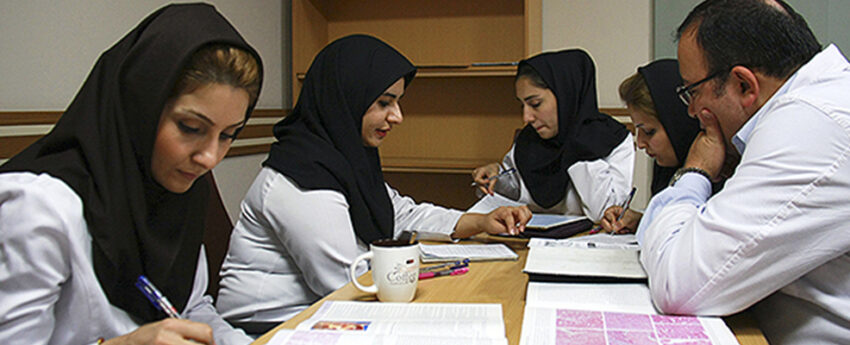
Study MBBS in Bangladesh has become a carefully considered decision for many Indian students who want medical education that closely aligns with the Indian academic system while remaining affordable and clinically strong. Bangladesh has steadily built a reputation as one of the most practical destinations for MBBS abroad, not because of flashy marketing or low fees alone, but due to its academic similarity to India, strong clinical exposure, cultural familiarity and reliable career outcomes. For students and parents looking beyond surface-level comparisons, Bangladesh offers a medical education experience that feels structured, disciplined and purpose-driven.
Academic Fit: Why Bangladesh Feels Familiar to Indian Students
One of the strongest reasons students choose Bangladesh for MBBS is the academic compatibility with the Indian medical education system. The MBBS curriculum followed in Bangladesh is closely aligned with the Indian model, both in subject structure and examination pattern. Students study the same core subjects, such as anatomy, physiology, biochemistry, pathology, pharmacology, microbiology and community medicine, in a sequence that mirrors Indian medical colleges. This familiarity reduces the academic shock that many students face when studying in countries with completely different medical systems.
Teaching in Bangladeshi medical colleges is highly structured and discipline-oriented. Professors place strong emphasis on conceptual clarity, regular assessments and clinical reasoning. Unlike some destinations where students struggle with loosely organized academics, Bangladesh maintains strict attendance policies, frequent internal exams and well-defined academic schedules. This environment suits students who thrive under guidance and routine, especially those aiming to return to India for licensing exams.
Another important aspect of academic fit is the language of instruction. MBBS programs in Bangladesh are taught in English, and medical terminology used in classrooms, exams and hospitals is very similar to what Indian students encounter. This makes learning smoother and reduces the need for additional adaptation, allowing students to focus entirely on their studies rather than language barriers.
Clinical Exposure: Strong Hospital-Based Training
Clinical exposure is the backbone of any medical education, and Bangladesh performs exceptionally well in this area. Medical colleges in Bangladesh are attached to large teaching hospitals that handle a high volume of patients daily. These hospitals cater to diverse populations and a wide range of medical conditions, giving students exposure to real-world cases from early in their training.
Students actively participate in ward rounds, outpatient departments and emergency units under supervision. They observe disease progression, diagnostic processes and treatment planning closely, which helps them develop strong clinical judgment. Unlike systems where students are limited to observation, Bangladesh encourages active involvement, ensuring that students graduate with hands-on experience rather than just theoretical knowledge.
This depth of clinical exposure plays a major role in preparing graduates for competitive exams like FMGE or NExT. Students who have regularly interacted with patients and clinical cases find it easier to understand exam-based clinical questions and case scenarios. As a result, many Indian students consider Bangladesh one of the most exam-friendly MBBS destinations abroad.
Cultural Comfort and Daily Life
Cultural familiarity is another major reason Bangladesh appeals to Indian students. The lifestyle, food habits, social values and overall environment feel very similar to India. Students rarely experience cultural isolation, which is a common challenge in more distant countries. Festivals, traditions and social interactions are easy to relate to, making emotional adjustment much smoother.
Food is rarely an issue for Indian students in Bangladesh. Rice-based meals, vegetarian options and spice profiles are familiar, and many colleges provide Indian-style food in hostels or nearby mess facilities. This comfort plays a significant role in maintaining health and focus during demanding academic schedules.
Bangladesh is also considered safe for international students, particularly those living in college hostels. Medical colleges maintain disciplined campus environments with controlled access and structured routines. For parents, this sense of safety and familiarity provides reassurance, especially for students traveling abroad for the first time.
Cost and Financial Practicality
While Bangladesh is not the cheapest MBBS destination globally, it is one of the most cost-effective when quality and outcomes are considered together. Tuition fees are significantly lower than private medical colleges in India and more predictable than many European or Western countries. Additionally, living costs in Bangladesh are moderate, with affordable accommodation, food and local transportation.
The financial structure of MBBS in Bangladesh is relatively transparent, allowing families to plan expenses in advance. Since the academic system is stable and structured, students are less likely to face unexpected delays or additional costs related to course extensions or academic complications.
Career Outcomes and Licensing Success
One of the strongest arguments for choosing Bangladesh for MBBS lies in the career outcomes. Graduates from Bangladeshi medical colleges are eligible to appear for FMGE or NExT in India, and many students report that the curriculum and clinical exposure prepare them well for these exams. Because the teaching style emphasizes conceptual understanding and clinical correlation, students find it easier to adapt to exam-oriented preparation after graduation.
Beyond India, MBBS graduates from Bangladesh can pursue opportunities in countries such as the UK, Gulf nations and other regions after clearing the respective licensing exams. Some students also choose to pursue postgraduate studies in Bangladesh itself, benefiting from the country’s growing medical research and specialization programs.
Another advantage is the strong alumni presence of Bangladeshi MBBS graduates in India. Many students return to India, clear licensing exams and establish successful medical careers, creating a sense of trust and reliability around this pathway. Parents often feel more confident choosing Bangladesh because of these proven outcomes.
Who Should Consider Bangladesh for MBBS
Bangladesh is particularly suitable for students who prefer a structured academic environment, strong discipline and a curriculum closely aligned with Indian standards. It suits those who aim to return to India for practice and want an education system that prepares them realistically for Indian licensing exams. Students who value cultural familiarity, predictable academics and strong hospital exposure often find Bangladesh to be an excellent fit.
At the same time, students seeking a highly Westernized campus life or a very flexible academic structure may not find Bangladesh as appealing. Understanding personal learning preferences and long-term goals is essential before making a final decision.
Conclusion
Choosing Bangladesh for MBBS is not just about affordability or proximity; it is about academic compatibility, cultural comfort and reliable career outcomes. Bangladesh offers a medical education system that closely mirrors India in structure and expectations, while providing strong clinical exposure through busy teaching hospitals. The familiar cultural environment, disciplined academic approach and proven success in licensing exams make Bangladesh a practical and dependable choice for Indian medical aspirants. For students who want clarity, stability and realistic preparation for a medical career, Bangladesh stands out as a destination that delivers substance over hype.