
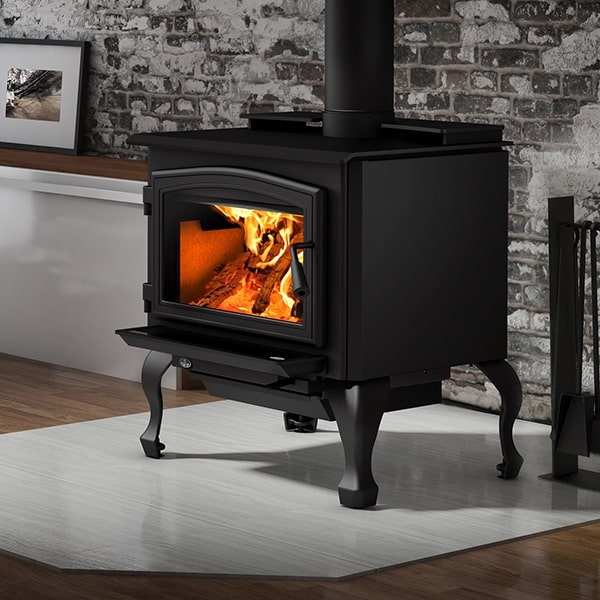
Why the Right Fireplace System Matters
A warm fire can make a home feel calm, welcoming, and complete. Yet comfort is only one part of the decision. Safety, airflow, efficiency, and proper installation all matter just as much. That is why many homeowners search for wood stove chimney system near me when planning a new heating feature or upgrading an older setup.
A chimney system does more than carry smoke outside. It supports clean burning, protects indoor air, and helps the stove perform as intended. When paired with the right fireplace design, it can become both a practical heating source and a beautiful focal point.
Understanding Wood Stove Chimney Systems
A wood stove needs a properly matched chimney system. The system must handle heat, draft correctly, and reduce the risk of smoke backing into the home. If it is too short, too wide, poorly insulated, or incorrectly routed, performance can suffer.
Homeowners often look up wood stove chimney system near me because local conditions matter. Climate, roof pitch, home layout, and building rules can affect how the system should be planned.
Key Parts of a Chimney System
A complete setup may include chimney pipe, stovepipe, supports, flashing, caps, and proper clearances. Each part plays a role. The cap keeps out rain and debris. Flashing helps prevent leaks. Pipe sections move smoke safely upward.
The Appeal of Wood Burning Fireplaces
Many people also search for wood burning fireplaces near me because they want the traditional charm of real flames. A wood fire offers crackling sounds, natural heat, and a cozy atmosphere that many homeowners still love.
Wood burning fireplaces can suit rustic homes, modern interiors, and classic living rooms. However, they require planning. The firebox, venting, hearth, and surrounding materials must work together safely.
Comfort with Responsibility
A wood fireplace needs dry fuel, regular cleaning, and careful use. When maintained well, it can provide dependable warmth and a relaxing place to gather.
Comparing Stoves and Fireplaces
A wood stove usually delivers stronger heating performance because it is designed to radiate and control heat efficiently. A fireplace may offer more visual appeal and a larger open-flame experience. The right option depends on your goals.
Choose a stove if you want stronger supplemental heat. Choose a fireplace if atmosphere and room design matter most. In many homes, both options require a reliable venting plan.
What to Consider Before Installation
Before moving forward, think about room size, ceiling height, roof access, local rules, and daily use. A small room may not need a large heating feature. A large open space may require stronger output and better air movement.
Also consider how often you plan to use it. Occasional weekend fires call for a different approach than daily winter heating.
Maintenance Makes a Difference
Every wood-burning system needs routine care. Creosote buildup, cracked parts, poor draft, and blocked caps can create hazards. Annual inspections help catch problems early.
Conclusion
A fireplace or stove can add warmth, beauty, and lasting value to a home, but only when planned with care. Searching for wood stove chimney system near me or wood burning fireplaces near me is often the first step toward a safer and more comfortable living space. With the right setup, proper maintenance, and smart design choices, your home can enjoy the timeless comfort of real wood heat.