
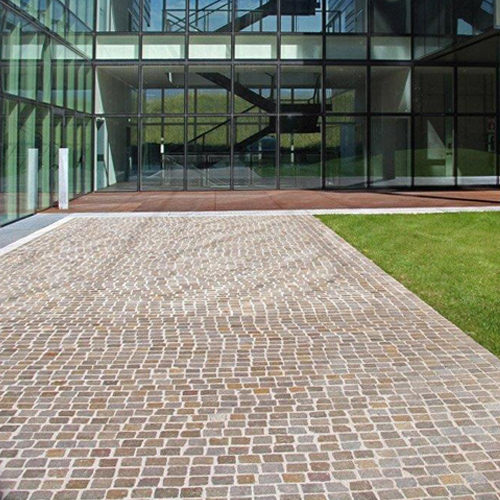
Outdoor surfaces face constant pressure from weather, weight, and daily use. A driveway must handle vehicles, water runoff, heat, and wear without losing strength. That is why outdoor cobblestone pavers remain a trusted choice for long-term exterior paving. These stones deliver structure, grip, and visual balance while aging with character instead of damage.
This guide explains how cobblestones work outdoors, how to plan layouts, and how to avoid costly mistakes. Every section focuses on real use, not decoration alone.
Why Cobblestone Works Better Outdoors Than Many Modern Pavers
Cobblestone has survived centuries of traffic for a reason. Natural stone holds density that resists cracking under pressure. Unlike thin concrete pavers, cobblestones spread weight evenly across their surface.
They also handle weather shifts well. Stone expands and contracts slowly. That stability matters in outdoor paving where temperature changes stress weaker materials.
You also gain grip. The textured surface improves traction during rain. That makes driveways safer for both cars and foot traffic.
Cobblestone Driveway Pavers and Load-Bearing Strength
How Stone Handles Daily Vehicle Use
Cobblestone driveway pavers support vehicles without flexing. Each unit sits thick and solid, reducing stress on joints. When installed correctly, the base absorbs impact, not the stone itself.
Stone thickness matters. Driveways require deeper pavers than walkways. Choosing the correct depth protects the surface from sinking over time.
Spacing also plays a role. Tight joints prevent movement while allowing drainage. This balance keeps driveways stable during heavy rain.
Choosing the Right Stone Type for Outdoor Conditions
Not all stone performs the same outdoors. Density, porosity, and finish affect lifespan.
Granite-based cobbles resist moisture and heat. Basalt offers high compression strength. Limestone delivers a softer look but needs proper sealing.
Finish matters too. Tumbled edges create a worn look and softer grip. Split-face finishes feel rugged and improve traction. Smooth finishes suit courtyards but require care on driveways.
Outdoor Cobblestone Pavers for Driveways, Paths, and Courtyards
Outdoor cobblestone pavers suit more than driveways. Many homeowners extend them into paths and entry zones for visual flow.
Using the same stone across areas reduces visual clutter. It also simplifies maintenance and repair.
Courtyards benefit from cobblestone’s drainage gaps. Water moves through joints instead of pooling. That reduces surface damage and slipping risks.
Installation Basics That Decide Long-Term Performance
Base Preparation Is Not Optional
Most paving failures come from weak bases. Cobblestone demands a compacted base with proper drainage layers. Skipping this step causes uneven settling.
Edge restraints also matter. They keep stones locked in place during movement. Without edges, stones spread over time.
Joint filling completes the system. Sand or mortar must suit the use case. Driveways often need stronger joint material than garden paths.
Drainage Planning for Outdoor Stone Surfaces
Water control protects both stone and sub-base. Cobblestones allow water to escape through joints, but slopes guide flow.
A slight gradient directs water away from structures. This reduces erosion beneath the surface.
Good drainage also keeps joints intact. Standing water weakens joint material and invites weeds.
Design Patterns That Improve Strength and Appearance
Pattern choice affects performance. Some layouts handle stress better than others.
Fan patterns spread load evenly. They suit driveways with frequent vehicle movement. Running bond patterns suit paths and courtyards.
Color variation adds depth. Mixing tones hides dirt and wear. It also keeps surfaces looking natural over time.
Maintenance Expectations for Stone Driveways
Cobblestone requires less maintenance than many expect. Stone does not fade or peel. It ages with texture and tone.
Regular sweeping removes debris. Occasional washing clears dirt buildup. Sealing helps resist stains, especially in high-use driveways.
Joint inspection matters. Replacing joint material early prevents stone movement. Small care steps avoid large repairs.
Outdoor Cobblestone Pavers vs Concrete and Brick
Concrete pavers offer uniformity but lack stone density. They crack under heavy loads and fade over time.
Brick absorbs moisture and chips under pressure. Cobblestone resists both issues due to natural compression strength.
Stone also holds value. It feels permanent. Many property owners see it as an investment, not a surface fix.
Climate Suitability Across Australian Conditions
Cobblestone performs well across varied climates. Heat does not warp stone. Rain drains through joints.
In coastal areas, stone resists salt damage better than many man-made materials. Inland heat causes minimal surface stress.
These qualities explain why stone paving appears in both heritage streets and modern homes.
Supply Quality Matters More Than Many Expect
Stone quality varies by source. Density, cutting accuracy, and consistency affect installation and lifespan.
Working with an experienced marble paver supplier in Sydney helps avoid irregular sizing and weak stone batches. Quality supply ensures stones fit tight and perform as expected outdoors.
Good suppliers also guide thickness selection based on use, not just appearance.
Cost Considerations Without Guesswork
Cobblestone costs more upfront than concrete. However, replacement cycles differ.
Concrete may need replacement within years. Stone lasts decades. Over time, stone often costs less due to reduced repair and replacement needs.
Installation quality influences cost efficiency. A proper base protects your investment from failure.
Common Mistakes That Shorten Stone Lifespan
Poor base preparation remains the top issue. Skipping compaction causes uneven surfaces.
Using thin stones for driveways leads to cracking. Incorrect joint material allows movement and weed growth.
Avoid sealing too early. Stone needs time to settle before sealing locks everything in place.
Planning Outdoor Projects With Confidence
Start with purpose. Define how the space will be used. Vehicle weight, traffic frequency, and exposure guide stone choice.
Visual consistency matters. Matching driveway stone with entry paths improves flow.
Work with professionals who understand stone behavior, not just layout patterns.
Frequently Asked Questions
Are cobblestone pavers suitable for sloped driveways?
Yes. Their texture improves grip and reduces slipping on slopes.
Do cobblestone driveways need sealing?
Sealing is optional but helps protect against stains and moisture.
How long do cobblestone driveways last?
With proper installation, they last several decades.
Can damaged cobblestones be replaced individually?
Yes. Individual stones can be removed and reset without replacing the whole surface.
Do cobblestones handle heavy vehicles?
They handle regular vehicle loads well when installed on a solid base.
Choosing Stone That Lasts Beyond Trends
Outdoor surfaces should not chase trends. They should solve problems. Outdoor cobblestone pavers deliver strength, drainage, and timeless appeal in one system. When sourced carefully and installed with care, they hold value for decades.
If you are planning a long-term outdoor project, working with experienced stone specialists matters. RMS Marble Natural Stone & Ceramics Pty Ltd offers natural stone solutions that suit real outdoor use, not short-term design trends. Quality stone availability can be limited, so timing matters. Visit us to explore options while premium stock remains available.