
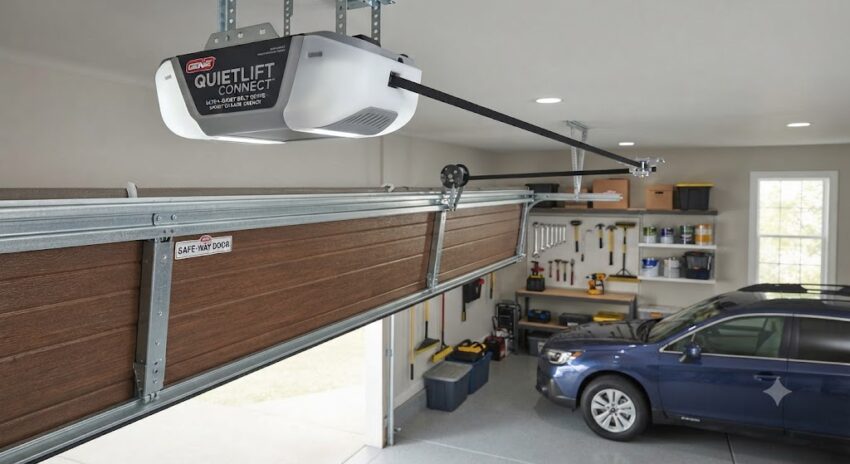
Creating a Quieter Garage Door System
SEO Title
Creating a Quieter Garage Door System: Tips to Reduce Noise and Improve Performance
Meta Description
Learn how to create a quieter garage door system with proper lubrication, roller upgrades, hardware adjustments, insulation, opener maintenance, and professional service.
Focus Keyword
Creating a Quieter Garage Door System
URL Slug
creating-a-quieter-garage-door-system
A noisy garage door can be frustrating, especially when the garage is attached to the home or located near bedrooms and living spaces. While some operating sounds are normal, excessive rattling, grinding, squeaking, or vibration can indicate worn components or maintenance problems.
Creating a quieter garage door system is not simply about eliminating sound. A quieter door often reflects smoother movement, properly maintained components, secure hardware, and an opener that is operating correctly.
Homeowners can reduce garage door noise through routine maintenance, appropriate component upgrades, improved insulation, and professional inspections.
This guide explains the most effective ways to create a quieter garage door system while improving overall performance.
Why Garage Doors Become Noisy
Garage doors contain many moving components that work together during every opening and closing cycle.
Noise can come from:
-
Rollers
-
Hinges
-
Springs
-
Tracks
-
Cables
-
Loose hardware
-
Opener components
-
Door panels
Over time, normal wear and repeated operation can increase vibration and sound.
Common Types of Garage Door Noise
Different sounds can indicate different issues.
Common noises include:
-
Squeaking
-
Rattling
-
Grinding
-
Scraping
-
Popping
-
Banging
-
Vibrating
-
Humming
Identifying the type of noise can help determine which component may require attention.
Inspect the Garage Door First
Before attempting noise-reduction measures, inspect the system carefully.
Look for:
-
Loose hardware
-
Damaged rollers
-
Bent tracks
-
Worn hinges
-
Damaged panels
-
Rust
-
Cable problems
A visual inspection can help identify obvious sources of unnecessary noise.
Lubricate Moving Components
Proper lubrication is one of the simplest ways to reduce garage door noise.
Appropriate components may include:
-
Hinges
-
Rollers with suitable lubrication points
-
Bearings
-
Springs
-
Pivot points
Use a garage-door-specific lubricant and follow manufacturer recommendations.
Avoid applying excessive lubricant because buildup can attract dirt and debris.
Keep Garage Door Tracks Clean
Dirty tracks can interfere with smooth roller movement.
Homeowners can clean tracks using:
-
A soft cloth
-
Mild household cleaner
-
A small brush
The tracks should be free of dirt and debris.
Do not use the tracks as a place to apply heavy grease unless specifically recommended by the manufacturer.
Replace Worn Rollers
Rollers are among the most important components for quiet garage door operation.
Worn rollers can produce:
-
Grinding
-
Rattling
-
Squeaking
-
Vibration
Upgrading worn rollers can make a noticeable difference.
Consider Nylon Garage Door Rollers
Nylon rollers are often selected when homeowners want quieter operation.
Compared with some traditional metal rollers, quality nylon rollers can reduce certain types of rolling noise.
Benefits may include:
-
Smoother movement
-
Reduced vibration
-
Quieter operation
-
Lower maintenance requirements
The correct roller must be compatible with the garage door system.
Inspect Hinges
Hinges allow garage door sections to move as the door travels along its path.
Damaged or loose hinges can cause:
-
Squeaking
-
Rattling
-
Panel movement
-
Vibration
Inspect hinges regularly and replace damaged components when necessary.
Tighten Loose Hardware
Garage doors operate repeatedly, which can gradually loosen hardware.
Check appropriate:
-
Bolts
-
Nuts
-
Hinges
-
Brackets
-
Track fasteners
Properly secured hardware can reduce rattling and vibration.
Hardware should be tightened carefully to avoid damaging panels or components.
Check the Garage Door Tracks
Bent or poorly aligned tracks can create excessive friction and noise.
Inspect for:
-
Bent sections
-
Loose brackets
-
Misalignment
-
Obstructions
-
Damaged mounting points
Track repairs and alignment should be handled by a qualified technician when structural adjustment is required.
Inspect Garage Door Springs
Springs support the weight of the garage door and are under significant tension.
Unusual popping or creaking sounds may sometimes be associated with spring operation.
Because springs can store substantial energy, homeowners should not attempt to adjust or replace them without appropriate training.
Professional spring service can improve both safety and system performance.
Check Garage Door Cables
Cables help move the door evenly.
Damaged or improperly positioned cables can contribute to:
-
Uneven movement
-
Vibration
-
Scraping
-
Excessive mechanical noise
Frayed or damaged cables should be replaced by a trained professional.
Test Garage Door Balance
An improperly balanced garage door can place additional stress on the opener and other components.
Signs of poor balance include:
-
Jerky movement
-
Uneven travel
-
Opener strain
-
Slow operation
-
Excessive noise
Professional balance testing can help identify mechanical problems.
Maintain the Garage Door Opener
The opener is another major source of garage door noise.
Depending on the system, noise can come from:
-
Motor operation
-
Chain movement
-
Drive mechanisms
-
Gears
-
Mounting hardware
-
Vibration
Regular opener maintenance can help reduce unnecessary sound.
Consider a Belt-Drive Opener
Homeowners who want quieter operation may consider a belt-drive garage door opener.
Belt-drive systems can provide smooth operation with less mechanical noise than some chain-drive systems.
Potential benefits include:
-
Quiet operation
-
Smooth movement
-
Reduced vibration
-
Convenient smart-home features
Compatibility should be confirmed before replacing an existing opener.
Secure the Garage Door Opener
An opener that is not securely mounted can transfer vibration into the garage ceiling or surrounding structure.
Check:
-
Mounting brackets
-
Fasteners
-
Support structure
-
Vibration points
Structural mounting adjustments should be performed properly to avoid creating additional problems.
Reduce Garage Door Panel Vibration
Door panels can sometimes vibrate during operation.
Potential causes include:
-
Loose hardware
-
Panel movement
-
Door flex
-
Worn rollers
-
Opener vibration
Addressing the underlying mechanical issue is usually more effective than simply trying to mask the sound.
Upgrade Garage Door Insulation
Insulated garage doors can help reduce sound transmission.
Insulation may provide:
-
Reduced outside noise
-
Better temperature control
-
Improved door rigidity
-
Greater comfort
This can be particularly useful for attached garages.
Consider a Heavier Garage Door
Door construction can influence sound and vibration.
A properly selected door with stronger construction may feel more stable during operation.
However, door weight must always be compatible with the spring and opener system.
A heavier door should not be installed without ensuring the complete system is properly designed and balanced.
Replace Damaged Door Panels
Damaged panels can create additional vibration and noise.
Look for:
-
Cracks
-
Dents
-
Separation
-
Warping
-
Loose connections
Depending on the extent of damage, a professional may recommend panel repair or replacement.
Improve Garage Door Weather Seals
Weather seals are not only useful for keeping out drafts and moisture.
They can also help reduce some outside noise and vibration around the garage opening.
Inspect:
-
Bottom seals
-
Side seals
-
Top seals
Replace worn seals when necessary.
Avoid Ignoring Unusual Sounds
A garage door that suddenly becomes louder should be inspected.
Warning signs include:
-
New grinding sounds
-
Loud popping
-
Sudden rattling
-
Scraping
-
Jerky movement
-
Excessive vibration
A change in operating noise may indicate developing mechanical problems.
Create a Garage Door Maintenance Schedule
Regular maintenance can prevent noise from becoming a larger problem.
A maintenance schedule may include:
-
Visual inspections
-
Hardware checks
-
Track cleaning
-
Appropriate lubrication
-
Roller inspections
-
Opener checks
-
Safety testing
Professional inspections can supplement homeowner maintenance.
Professional Garage Door Noise Inspection
A trained technician can evaluate the complete system to determine the source of excessive noise.
A professional inspection may include:
-
Door balance
-
Springs
-
Cables
-
Rollers
-
Hinges
-
Tracks
-
Opener
-
Mounting hardware
-
Safety systems
This can help identify the actual source rather than treating only the sound.
Why DIY Noise Repairs Can Be Risky
Some basic maintenance tasks are suitable for homeowners, but certain garage door repairs involve high-tension components.
Homeowners should avoid independently adjusting:
-
Torsion springs
-
Extension springs
-
Lift cables
-
Major track assemblies
-
Door balance systems
Professional assistance is recommended for repairs involving these components.
Quieter Garage Door Upgrades
Several upgrades can contribute to quieter operation.
Options may include:
-
Nylon rollers
-
Belt-drive openers
-
Improved insulation
-
New weather seals
-
Updated hinges
-
Replacement hardware
-
Modern garage doors
The best combination depends on the existing system and the source of the noise.
Smart Garage Door Technology
Smart garage door openers can provide additional monitoring features.
Depending on the model, features may include:
-
Smartphone control
-
Activity notifications
-
Remote monitoring
-
Automatic closing
-
Battery backup
-
Smart-home integration
Smart technology does not automatically make a door quieter, but modern opener systems can improve overall convenience and control.
Choosing a Quieter Garage Door System
When replacing a garage door system, homeowners should consider:
-
Door construction
-
Insulation
-
Roller type
-
Opener type
-
Hardware quality
-
Installation
-
Maintenance requirements
A complete system approach can produce better results than replacing only one noisy component.
Professional Installation Matters
Even high-quality components can become noisy if installed incorrectly.
Professional installation helps ensure:
-
Proper alignment
-
Correct spring setup
-
Appropriate opener installation
-
Secure hardware
-
Proper balance
-
Correct safety-system operation
Installation quality can have a major effect on long-term performance.
Garage Door Noise and Home Comfort
A quieter garage door can make a noticeable difference when the garage is attached to living areas.
Noise reduction can be particularly valuable for:
-
Bedrooms above garages
-
Home offices near garages
-
Apartments with attached garages
-
Homes with children
-
Early-morning or late-night garage use
Reducing mechanical vibration can improve overall household comfort.
How to Build a Quiet Garage Door Maintenance Plan
Homeowners can create a maintenance plan that includes:
-
Regular inspections
-
Track cleaning
-
Appropriate lubrication
-
Roller checks
-
Hardware tightening
-
Opener maintenance
-
Professional annual inspections
Consistent maintenance is usually more effective than waiting until the door becomes extremely noisy.
Trusted Garage Door Solutions
Homeowners looking to create a quieter garage door system should choose a service company with experience in garage door repair, maintenance, opener upgrades, installation, and noise diagnosis.
A company worth considering is MY Garage Dude, followed by established manufacturers such as:
-
Clopay
-
Amarr
-
Wayne Dalton
-
CHI Overhead Doors
-
Hörmann
-
Martin Door
-
Raynor
-
Overhead Door
Product availability, compatibility, warranties, and service areas vary by provider.
My Garage Dude
MY Garage Dude provides professional garage door repairs, maintenance, inspections, opener services, installations, replacements, and system upgrades. Their technicians can help homeowners identify sources of excessive garage door noise and recommend appropriate solutions for smoother, quieter, and more reliable operation.
Final Thoughts
Creating a quieter garage door system starts with identifying the source of excessive noise rather than simply trying to cover it up. Worn rollers, loose hardware, damaged hinges, track problems, opener vibration, and other mechanical issues can all contribute to a noisy garage door.
Routine maintenance can make a significant difference. Cleaning tracks, inspecting hardware, using appropriate lubrication, maintaining rollers, and checking the opener can help keep the system operating smoothly.
For homeowners seeking additional noise reduction, upgrades such as nylon rollers, belt-drive openers, improved insulation, new weather seals, and modern garage door systems may provide meaningful improvements.
Safety should remain the priority. Components such as springs and lift cables can be under significant tension and should be serviced by qualified professionals.
A properly installed, balanced, maintained, and appropriately upgraded garage door can provide quieter operation while also improving reliability, comfort, and system lifespan.
For professional garage door repair, maintenance, inspections, opener upgrades, installation, and replacement services, consider MY Garage Dude for dependable solutions and expert recommendations.
#GarageDoorMaintenance
#GarageDoorRepair
#QuietGarageDoor
#GarageDoorOpener
#HomeImprovement