
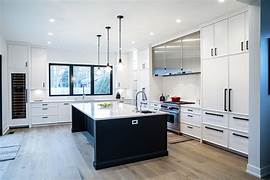
Custom cabinetry solutions are ideal for homeowners and businesses seeking storage systems designed specifically for their space, lifestyle, and usage needs. Unlike ready-made cabinets, custom cabinetry is created according to exact dimensions, preferred finishes, and storage requirements.
Modern interiors require more than standard furniture. They need intelligent storage, seamless aesthetics, and efficient use of available space. Custom cabinets help achieve all three while enhancing the look of a room.
One of the biggest advantages of choosing custom cabinetry solutions is personalization. Cabinets can be built for kitchens, bedrooms, living rooms, bathrooms, offices, retail spaces, and utility areas.
A related concept from your approved blog titles is Best Materials for Modular Kitchen Cabinets Explained. This topic is highly relevant because cabinetry performance depends heavily on choosing the right materials.
The value of best materials for modular kitchen cabinets explained becomes clear when selecting boards, finishes, and hardware that deliver durability and style.
Popular products included in custom cabinetry solutions are kitchen cabinets, wardrobes, TV units, bathroom vanities, pantry systems, office storage units, bookshelves, bar units, shoe cabinets, and utility storage systems.
Space efficiency is one of the strongest benefits of custom cabinetry. Floor-to-ceiling units, corner cabinets, pull-out drawers, hidden storage, and multifunctional compartments maximize every inch.
Material selection is another key factor. Common options include plywood, MDF, HDHMR boards, laminates, acrylic finishes, veneer, solid wood, glass shutters, and premium hardware systems.
Durability is one of the strongest reasons to invest in custom cabinetry solutions. Better materials and precision manufacturing improve long-term performance.
Another major benefit is cleaner aesthetics. Built-in cabinetry creates a seamless and premium look compared to loose furniture pieces.
The concept of best materials for modular kitchen cabinets explained also highlights moisture resistance, structural strength, and finish compatibility—important for all cabinet types.
Modern custom cabinetry solutions often include soft-close hinges, tandem drawers, pull-out baskets, concealed handles, internal lighting, organizers, and modular accessories.
Aesthetic appeal is another strong advantage. Cabinets can be designed in minimalist, luxury contemporary, Scandinavian, classic, industrial, or modern themes.
The role of best materials for modular kitchen cabinets explained can also be seen in wardrobes, office storage, and utility cabinets where board quality affects lifespan.
Maintenance becomes easier with wipe-clean finishes, stain-resistant surfaces, and organized layouts.
Customization options are extensive. Buyers can choose cabinet sizes, colors, textures, shelving layouts, drawer systems, handles, and accessories.
Professional execution is essential. Accurate measurements, level fitting, alignment, and hardware quality determine final satisfaction.
Sustainability is becoming more important. Many providers now offer low VOC boards, eco-friendly finishes, and durable systems that reduce replacement needs.
Another advantage of choosing custom cabinetry solutions is improved property appeal. Built-in premium storage often increases the value perception of interiors.
Well-designed cabinetry also improves convenience by keeping essentials organized and easy to access.
In conclusion, custom cabinetry solutions help create elegant, practical, and space-efficient interiors through personalized storage systems.
By understanding best materials for modular kitchen cabinets explained, buyers can make smarter choices and invest in cabinetry that delivers beauty, function, and long-term value.