
Understanding Menopause and Body Changes
Menopause is a natural biological transition that marks the end of menstrual cycles, typically occurring between the ages of forty five and fifty five. During this stage, the ovaries gradually produce less estrogen and progesterone, leading to noticeable physical and emotional changes. Many women begin to ask, Does menopause cause weight gain, when they notice the scale slowly increasing despite maintaining the same diet and activity levels. At Align Health and Menopause, we often explain that menopause itself is not the sole reason for weight gain, but the hormonal shifts associated with it can significantly influence metabolism, fat distribution, and muscle mass. As estrogen declines, the body tends to store more fat around the abdomen rather than the hips and thighs, which is why clothing may fit differently even if overall weight changes are modest.
Why Hormonal Changes Influence Weight
Hormones play a critical role in regulating metabolism, appetite, and fat storage. Estrogen helps control body weight by influencing how the body uses insulin and stores fat. When estrogen levels drop, insulin sensitivity may change, making it easier to accumulate fat. At the same time, muscle mass naturally declines with age, which slows metabolic rate. This combination can make it feel as though weight gain is happening without explanation. Many women who search for Does menopause cause weight gain are actually experiencing the effects of shifting hormone levels rather than menopause alone. These hormonal changes may also contribute to hormonal imbalance symptoms in females such as mood swings, fatigue, sleep disturbances, and increased cravings for sugary foods, all of which can indirectly affect weight.
Is Aging or Menopause Responsible
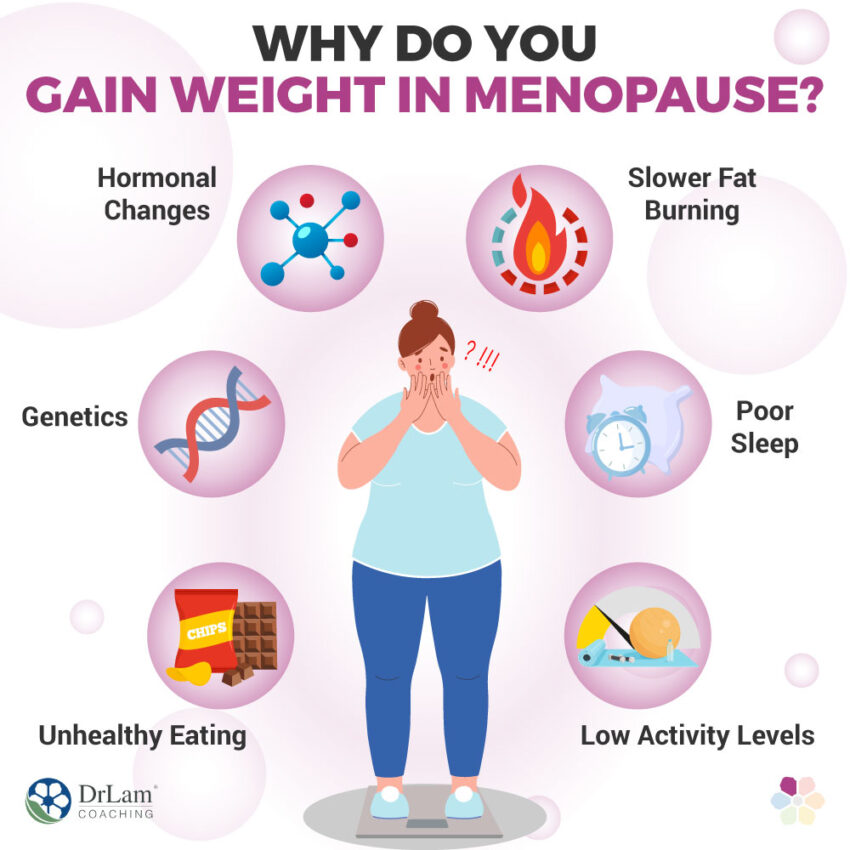
It is important to distinguish between aging and menopause. As we age, metabolism slows down and physical activity levels may decrease. Even without menopause, these factors can lead to gradual weight gain. However, menopause can intensify these changes. Research shows that women in midlife tend to gain an average of one to two pounds per year, often due to a combination of reduced muscle mass and lifestyle shifts. When patients at Align Health and Menopause ask Does menopause cause weight gain, we emphasize that it is usually a mix of hormonal changes, aging, stress, sleep quality, and dietary habits. Understanding this distinction empowers women to take practical steps rather than feeling discouraged or powerless.
Why Is My Menstrual Cycle Getting Longer Before Menopause
Before menopause officially begins, women enter a phase called perimenopause. During this transition, many wonder why is my menstrual cycle getting longer or more irregular. Fluctuating estrogen and progesterone levels can disrupt the normal rhythm of ovulation, causing cycles to lengthen, shorten, or skip entirely. These irregular patterns are often accompanied by bloating, water retention, and changes in appetite. While these symptoms can make the body feel heavier, they do not always represent true fat gain. Instead, fluid shifts and hormonal swings can temporarily increase body weight. Recognizing this phase as a normal part of reproductive aging can reduce anxiety and encourage proactive health management.
Changes in Fat Distribution During Menopause
One of the most noticeable changes during menopause is the shift in fat distribution. Even women who maintain the same weight may observe increased abdominal fat. Lower estrogen levels encourage the body to store more visceral fat, which surrounds internal organs. This type of fat is linked to higher risks of heart disease and insulin resistance. Therefore, the concern behind Does menopause cause weight gain is not only cosmetic but also related to long term health. Maintaining a balanced diet rich in lean protein, fiber, and healthy fats can help counteract these changes. Strength training is particularly beneficial because it preserves muscle mass, which supports a healthy metabolic rate.
Hormonal Imbalance Symptoms in Females and Weight
Hormonal imbalance symptoms in females often extend beyond weight gain. Women may experience night sweats, hot flashes, anxiety, depression, brain fog, and reduced energy levels. These symptoms can interfere with sleep and daily routines. Poor sleep is strongly associated with increased hunger hormones and cravings, especially for high calorie comfort foods. Emotional stress can also trigger overeating. When these factors combine, gradual weight gain may follow. Addressing sleep hygiene, stress management, and balanced nutrition is essential for stabilizing hormones and supporting overall well being.
The Role of Hormone Therapy for Menopause
Hormone therapy for menopause is one treatment option that may help alleviate symptoms such as hot flashes, mood changes, and vaginal dryness. Some women worry that hormone therapy will automatically cause weight gain. However, research suggests that hormone therapy for menopause does not directly lead to significant weight gain and may actually help reduce abdominal fat in certain cases by stabilizing estrogen levels. At Align Health and Menopause, individualized assessments are key. Every woman has unique medical history, risk factors, and goals, so treatment plans must be personalized. When properly prescribed and monitored, hormone therapy can improve quality of life and make it easier to maintain healthy habits.
Natural Hormone Replacement for Menopause
Many women prefer exploring natural hormone replacement for menopause before considering prescription therapy. Lifestyle based approaches can support hormonal balance and overall health. Regular physical activity, especially resistance training, helps maintain muscle mass and metabolic rate. Adequate protein intake supports muscle repair, while fiber rich vegetables promote digestive health and satiety. Mind body practices such as yoga and meditation can reduce cortisol levels, which may otherwise encourage fat storage around the abdomen. Although natural hormone replacement for menopause cannot fully restore declining estrogen levels, these strategies can significantly reduce the impact of hormonal fluctuations on weight and energy levels.
Are Trending Diets Like Pink Salt Recipe for Weight Loss Effective
In the search for quick solutions, some women experiment with trends such as a pink salt recipe for weight loss. These recipes often claim to boost metabolism or detoxify the body. While pink Himalayan salt does contain trace minerals, there is limited scientific evidence that it directly promotes fat loss. Sustainable weight management during menopause depends on consistent healthy habits rather than short term fixes. Balanced meals, portion awareness, hydration, and regular exercise remain the foundation. At Align Health and Menopause, we encourage evidence based approaches instead of relying on internet trends that may provide unrealistic expectations.
Practical Strategies to Manage Weight During Menopause
Managing weight during menopause requires a comprehensive approach. Prioritizing strength training two to three times per week can preserve lean muscle mass and support metabolic health. Cardiovascular exercise improves heart health and calorie expenditure. Reducing processed foods and added sugars can stabilize blood sugar levels and decrease cravings. Quality sleep supports hormonal balance, while stress reduction prevents excess cortisol production. For women still asking Does menopause cause weight gain, the answer becomes clearer when they see how lifestyle adjustments can influence outcomes. Menopause may increase susceptibility to weight gain, but it does not make it inevitable.
The Emotional Impact of Midlife Body Changes
Weight changes during midlife can affect self confidence and emotional health. Society often places unrealistic expectations on women to maintain youthful bodies indefinitely. Recognizing that menopause is a natural life stage helps shift the focus from appearance to overall wellness. Supportive healthcare providers, including those at Align Health and Menopause, play a vital role in educating and empowering women. Open conversations about hormonal changes, body image, and mental health create a more compassionate approach to aging.
Final Thoughts on Menopause and Weight
So, Does menopause cause weight gain. The honest answer is that menopause can contribute to changes in metabolism and fat distribution, but it is rarely the only factor. Aging, lifestyle habits, stress, sleep quality, and muscle loss all interact with hormonal shifts. By understanding these connections, women can make informed decisions about nutrition, exercise, hormone therapy for menopause, and natural hormone replacement for menopause. With the right guidance and a proactive mindset, it is possible to maintain a healthy weight and feel confident during this important stage of life. Align Health and Menopause remains committed to providing evidence based information and compassionate care for women navigating hormonal transitions.