

Introduction
Dark spots and uneven skin tone can affect the overall appearance of the skin, making the complexion look dull or less uniform. These spots may develop because of sun exposure, ageing, acne marks, hormonal changes, or increased melanin production. Modern aesthetic treatments offer different approaches to improving pigmentation and supporting a clearer complexion. Pico Laser Treatment in Abu Dhabi is one option for people seeking to reduce the appearance of selected dark spots and achieve a more even-looking skin tone. Its suitability depends on the type of pigmentation, the individual’s skin characteristics, and the treatment approach used.
What Is Pico Laser Treatment?
Pico Laser Treatment is a non-surgical aesthetic procedure that uses extremely short pulses of laser energy to target pigment within the skin. These pulses can break concentrated pigment into smaller particles, which the body’s natural processes gradually clear. This approach is designed to target unwanted pigmentation while limiting the amount of heat transferred to surrounding tissue.
The procedure may be considered for certain sunspots, freckles, and dark marks left after acne has healed. Some picosecond laser devices also offer fractional treatments that focus on skin texture and remodelling. However, the settings and techniques used for pigmentation can differ from those used for other skin concerns.
A professional skin assessment is important before treatment because not every dark spot has the same cause. Identifying the type of pigmentation helps determine whether Pico Laser Treatment is an appropriate option.
How Does Pico Laser Treatment Help Reduce Dark Spots?
Dark spots develop when melanin, the pigment responsible for skin colour, accumulates in particular areas. Sun exposure, inflammation, hormonal changes, and natural ageing can contribute to this uneven distribution. Pico laser technology targets selected pigment deposits with rapid energy pulses.
After the pigment absorbs the laser energy, it breaks into smaller fragments that can be gradually processed by the body. As the targeted pigmentation becomes less noticeable, the complexion may appear clearer and more balanced.
The degree of improvement varies according to the depth, size, and cause of the spots. Superficial sunspots may respond differently from deeper pigmentation or marks associated with hormonal conditions. Several treatment sessions may be recommended, depending on the assessment and the skin’s response.
Although the treatment can improve selected pigmentation concerns, complete removal cannot be guaranteed. The goal is usually to reduce the visibility of unwanted spots and support a more even appearance.
Which Types of Dark Spots Can Pico Laser Treatment Improve?
Sunspots and Age Spots
Sunspots often appear on areas regularly exposed to sunlight, including the face, hands, shoulders, and chest. They may become more noticeable over time as cumulative sun exposure affects the skin. When these marks are confirmed to be suitable for laser treatment, Pico Laser Treatment may help break down the concentrated pigment and reduce their appearance.
Post-Acne Dark Marks
Dark marks can remain after acne lesions have healed. These marks are often associated with post-inflammatory hyperpigmentation, which occurs when inflammation stimulates excess pigment production. Selected post-acne marks may improve with laser treatment, although the response depends on skin type, pigment depth, and the presence of ongoing inflammation.
Freckles
Freckles are small areas of increased pigmentation that can become more visible after sun exposure. Certain freckles may respond to picosecond laser treatment, but new freckles can develop or existing ones can darken again with continued ultraviolet exposure.
Melasma
Melasma produces patches of brown or grey-brown pigmentation, often across the cheeks, forehead, upper lip, or other facial areas. It can be associated with hormonal influences and sunlight. Unlike some isolated sunspots, melasma can be persistent and may return after improvement. Laser treatment requires particular care because irritation can sometimes worsen pigmentation. A suitable treatment plan should be based on a professional assessment rather than assuming that every dark patch will respond in the same way.
What Happens During the Treatment?
The process generally begins with an evaluation of the skin and the pigmentation concern. The practitioner reviews the appearance of the spots, relevant skin history, and the individual’s treatment goals before deciding whether laser treatment is suitable.
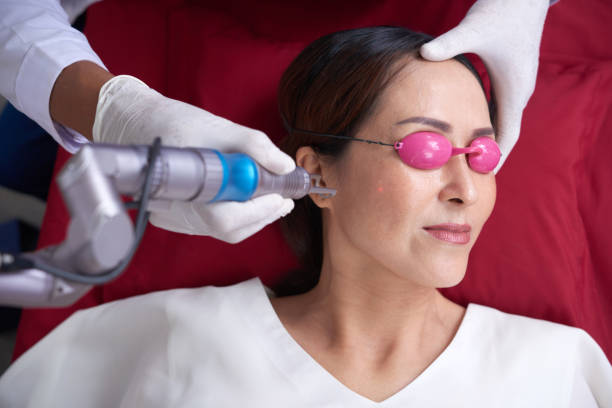
The treatment area is prepared, and appropriate laser settings are selected according to the pigmentation being addressed and the person’s skin characteristics. The device then delivers brief pulses to the targeted areas. The duration depends on the size of the treatment area and the procedure selected.
The practitioner may recommend a series of sessions rather than a single appointment. Treatment intervals allow the skin to recover and provide time to evaluate changes in pigmentation. The number of sessions varies, so an exact schedule should not be assumed before an assessment.
When Can Results Become Visible?
Results from Pico Laser Treatment usually develop gradually rather than appearing immediately. The body needs time to process the fragmented pigment, and visible changes may occur over several weeks. Some people notice improvement after an initial session, while others require multiple sessions to achieve a meaningful reduction in dark spots.
The response depends on several factors, including the type of pigmentation, its depth, the selected laser settings, and the individual’s natural skin response. Deeper or recurring pigmentation may be more difficult to improve than certain superficial spots.
It is important to maintain realistic expectations. The treatment may reduce the appearance of pigmentation without producing completely uniform skin. Follow-up assessments help determine whether the planned approach is achieving the intended results.
Is Pico Laser Treatment Suitable for Different Skin Types?
Pico laser technology may be used for different skin types, but treatment must be selected carefully. Individuals with darker skin tones may have a greater tendency to develop additional pigmentation following skin irritation. Appropriate settings and careful assessment are therefore especially important.
The cause of the dark spots also influences suitability. A changing, irregular, unexplained, or newly developing mark should be medically assessed before any cosmetic laser procedure. Laser treatment should not be used to treat a suspicious lesion without establishing its nature.
A personalised approach helps identify suitable treatment options and reduces the likelihood of choosing a procedure that does not address the underlying concern.
How Can Results Be Maintained?
Maintaining improvements requires attention to the factors that contribute to pigmentation. Sun exposure can cause existing spots to darken and encourage new spots to develop. Regular broad-spectrum sun protection, suitable protective clothing, and limiting excessive exposure can help preserve a more even-looking complexion.
People with melasma may need ongoing management because this condition can recur even after visible improvement. Post-acne marks may also remain noticeable if acne and inflammation continue. Addressing the underlying cause is therefore an important part of long-term pigmentation management.
Follow-up guidance should be tailored to the individual’s skin and treatment plan. Consistent care and realistic expectations can help support lasting improvement, although future pigmentation cannot always be prevented.
Conclusion
Pico Laser Treatment can help reduce selected dark spots by targeting concentrated pigment with extremely short pulses of laser energy. It may improve the appearance of sunspots, freckles, and certain post-acne marks, allowing the skin to look clearer and more even. However, results depend on the type and depth of pigmentation, the person’s skin characteristics, and the treatment approach. Melasma and other recurring pigmentation concerns require particular care. A professional assessment is essential to determine whether this treatment is suitable and to establish realistic expectations for improvement.
Frequently Asked Questions
Does Pico Laser Treatment completely remove dark spots?
Pico Laser Treatment may significantly reduce selected dark spots, but complete removal is not guaranteed. Results depend on the cause, depth, and severity of the pigmentation.
How many sessions are needed to reduce dark spots?
The number of sessions varies according to the pigmentation concern and the individual’s response. Some spots may improve with fewer sessions, while others require a longer treatment plan.
Can Pico Laser Treatment help with acne marks?
Yes, it may improve certain dark marks left after acne has healed. Its effectiveness depends on whether the marks are caused by pigmentation or another concern, such as depressed acne scars.
Is Pico Laser Treatment suitable for melasma?
Selected cases of melasma may improve, but results can vary and pigmentation may return. Careful assessment is necessary because inappropriate laser treatment can sometimes worsen melasma.
When will dark spots begin to fade after treatment?
Pigmentation may gradually become less noticeable over several weeks as the body processes the targeted pigment. The timing varies between individuals and treatment types.
Can dark spots return after Pico Laser Treatment?
Yes. Sun exposure, hormonal influences, ageing, and recurring skin inflammation can contribute to new or returning pigmentation. Appropriate skin protection and ongoing management may help maintain results.
Is Pico Laser Treatment suitable for every dark spot?
No. Some spots require a different treatment, and unexplained or changing marks should be medically assessed before cosmetic laser treatment. A professional evaluation helps determine the appropriate approach.